
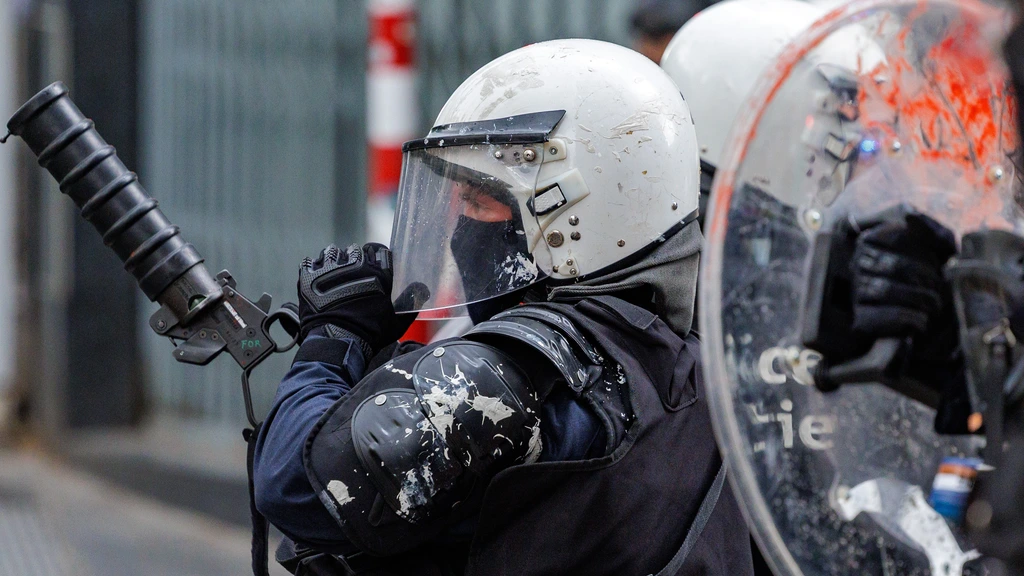
Brussels Protests Over Education Cuts Turn Into Riots
The High Price of “Cheap” Education: Why Austerity in Schools Triggers Social Unrest
When governments look at education budgets, they often see numbers on a spreadsheet. But when those numbers are slashed, the result isn’t just a leaner budget—it’s a volatile cocktail of teacher burnout, student frustration, and urban instability.
The recent unrest in Brussels serves as a stark warning. When the gap between the quality of education and the cost of living widens, the classroom stops being a place of learning and starts becoming a catalyst for protest.
Looking ahead, we are seeing a global trend where “fiscal consolidation” in education is creating a systemic risk. The question is no longer just about how much money is spent, but how the erosion of the educational social contract fuels wider societal anger.
The Teacher Burnout Epidemic: More Hours, Same Pay
One of the most dangerous trends in modern education is the “efficiency drive”—asking teachers to increase their classroom hours without a corresponding increase in salary. This is a recipe for systemic collapse.
When educators are forced to handle larger class sizes and more teaching hours, the quality of pedagogy plummets. We aren’t just talking about tired teachers; we are talking about a global exodus of talent from the profession.
In many European and North American cities, we are already seeing a “teacher shortage crisis.” When the job becomes a grind of administrative burdens and stagnant wages, the best educators leave for the private sector, leaving the most vulnerable students with the least experienced staff.
For more on how this affects student outcomes, see our analysis on the link between teacher wellbeing and student achievement.
The “Invisible” Cost of Classroom Overcrowding
Increased class sizes don’t just mean more noise; they mean less individualized attention. For students struggling with literacy or numeracy, the loss of one-on-one time can lead to permanent learning gaps.

This creates a tiered system: wealthy parents pay for private tutors to fill the gaps, while students from lower-income backgrounds fall further behind, deepening the socio-economic divide.
The Student-Activist Pipeline: From Classrooms to the Streets
Education cuts often hit university tuition and school infrastructure first. While policymakers might see this as a way to balance the books, students see it as a betrayal of their future.
We are seeing a rise in the “student-activist pipeline.” When students feel that the state is withdrawing its investment in their future, they are more likely to align with radical political movements. The street becomes their new classroom.
This trend is amplified by social media, where grievances are shared instantly. A budget cut in a parliament building can turn into a barricade at a central station within hours, as seen in recent European protests.
External research from UNESCO highlights that inclusive and well-funded education systems act as a stabilizer for democracy by providing youth with a sense of agency and a clear path to social mobility.
Crumbling Infrastructure and the “Hidden” Budget Gap
Budget cuts rarely stop at salaries. Maintenance and renovation of school buildings are often the first items to be slashed. However, a deteriorating physical environment has a psychological impact on both students and staff.
Leaking roofs, broken heating systems, and outdated technology send a clear message to students: “You are not a priority.”
Future trends suggest that “Green School” initiatives—retrofitting old buildings for energy efficiency—could be the way out. By framing renovations as climate action, governments can often unlock separate funding streams to fix the crumbling infrastructure that austerity has ignored.
The Battle Over “Political Neutrality” in Schools
A growing point of contention is the role of the teacher during social crises. When governments accuse educators of “instrumentalizing” youth or spreading “disinformation,” it signals a shift toward more restrictive educational environments.
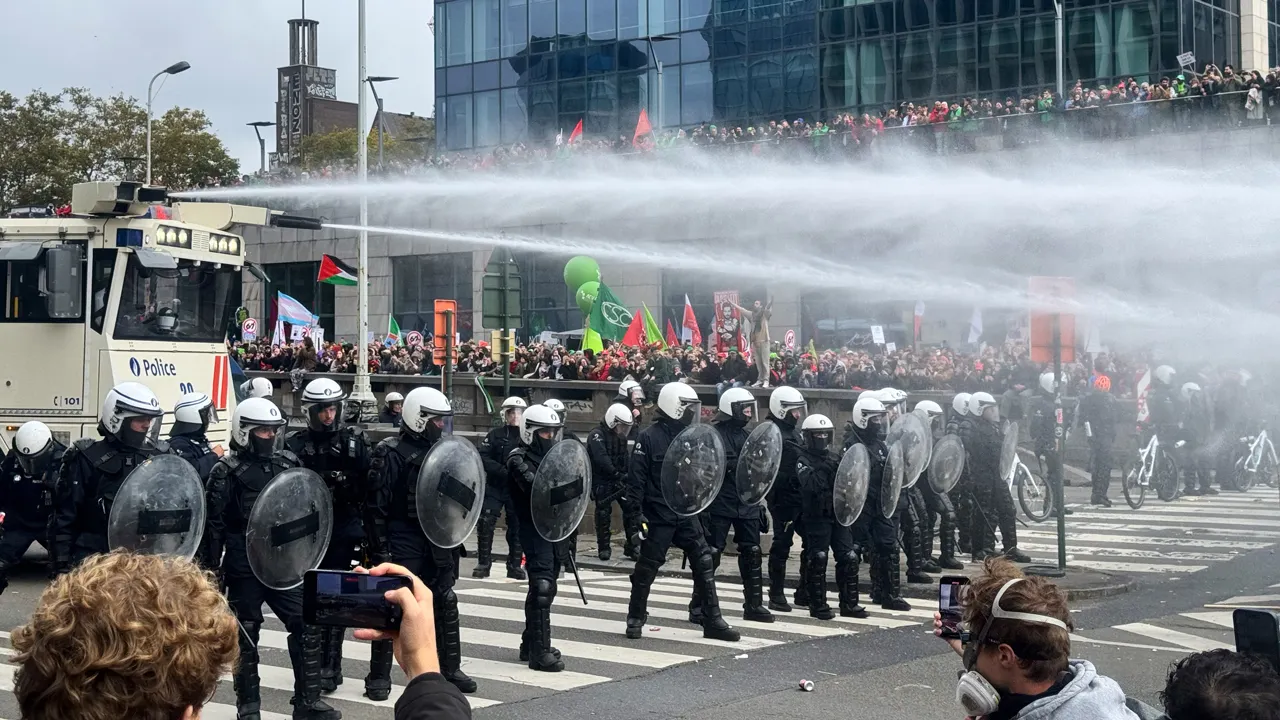
The tension lies between the ideal of the school as a politically neutral space and the reality of the school as a site of civic awakening. As education becomes a primary flashpoint for political struggle, the pressure on teachers to remain “neutral” while their working conditions deteriorate becomes unsustainable.
Frequently Asked Questions (FAQ)
Why do education cuts often lead to violent protests?
Education is viewed as a fundamental right and a primary vehicle for social mobility. When these resources are cut, it is perceived as an attack on the future of the youth, triggering an emotional and visceral response.
How does teacher burnout affect the economy?
Burnout leads to higher turnover rates, increased spending on substitute teachers, and lower student performance, which eventually results in a less skilled workforce and lower economic productivity.
What are the alternatives to austerity in education?
Alternatives include progressive taxation, public-private partnerships for infrastructure, and shifting budgets from short-term administrative costs to long-term human capital investment.
Join the Conversation
Are you an educator or a student feeling the impact of budget cuts? Or do you believe austerity is necessary for long-term economic health?
Share your thoughts in the comments or subscribe to our newsletter for more deep dives into the intersection of policy and society.