

Building Age-Friendly Public Transportation for an Aging Population
The Graying City: Why Public Transit Must Evolve to Survive
We are standing on the precipice of a demographic shift that will fundamentally rewrite how our cities function. By 2100, nearly 30% of the global population will be 60 or older. In places like China, that number is expected to skyrocket to over 50%. Yet, our current urban transit networks remain stubbornly tethered to a 20th-century model: the rush-hour commuter.
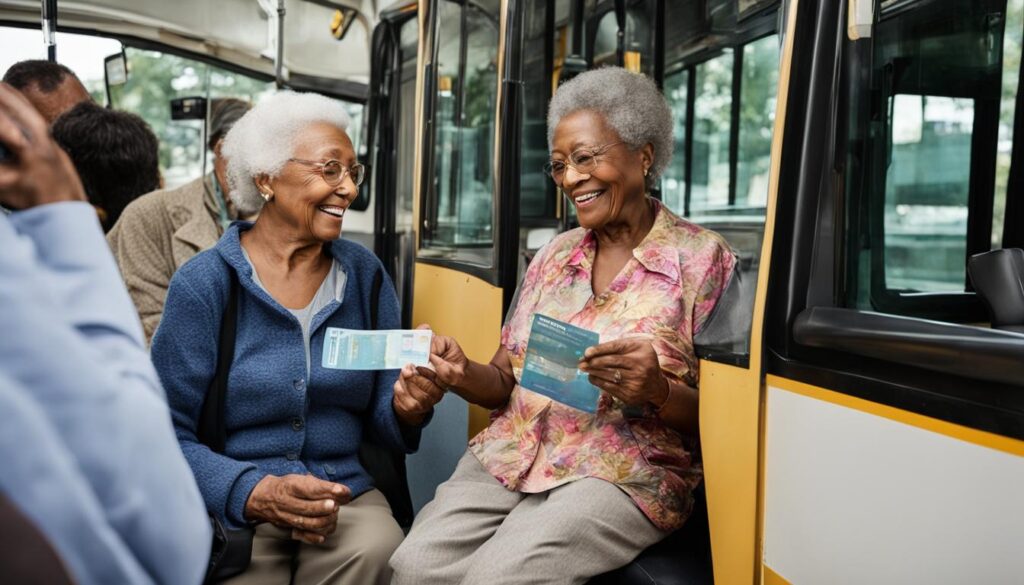
As cities like Beijing, Tokyo and Barcelona grapple with aging populations, the “commuter-first” design is failing our seniors. When transit systems don’t match the needs of older adults, we aren’t just inconveniencing a demographic—we are actively isolating them from the social, economic, and healthcare resources they need to thrive.
Beyond the Commute: Understanding the Modern Senior traveller
A common misconception is that retirement leads to a sedentary life. Data from Beijing shows the opposite: older adults are just as mobile as their younger counterparts. However, their travel patterns are fundamentally different. They aren’t rushing to office buildings at 8:00 a.m.. they are navigating the city for grocery runs, school pickups, and social outings, typically starting after 9:00 a.m.

The problem? Our infrastructure isn’t designed for this. When bus service thins out mid-day, or subway stations lack elevators, we create invisible walls. For an older adult, a flight of stairs or a lack of seating at a bus stop isn’t just an inconvenience—it’s a physical barrier to independence.
The Digital Divide: When Technology Becomes a Barrier
The rapid transition to smartphone-only ticketing and app-based navigation has left a significant portion of our aging population behind. While digital payment is efficient, it often fails to account for declining vision, reduced finger dexterity, or simply a lack of familiarity with ever-changing interfaces.
When cities remove manual ticketing or in-person assistance, they create a “service vacuum.” The future of inclusive transit must adopt a hybrid model. This means keeping traditional communication channels—like telephone hotlines and physical kiosks—alive while simplifying digital interfaces into “senior modes” with high-contrast visuals and larger text.
Blueprint for the Future: Building an “Age-Friendly” Network
How do we pivot? It starts with human-centric design. Cities that want to lead in the next decade must prioritize three core pillars:

- Infrastructure Inclusiveness: This goes beyond just ramps. It includes weather-protected bus stops with adequate seating, and “silver-path” navigation in subways—high-contrast, floor-level signage that guides travelers directly to elevators.
- Financial Equity: Why are discounts often reserved for students or commuters? Standardizing senior fare discounts across all transit modes, including subways, is a low-cost way to ensure cost isn’t a deterrent to mobility.
- Performance-Based Incentives: City governments should restructure funding to reward transit operators who hit “accessibility targets,” rather than just subsidizing general operating losses.
Frequently Asked Questions
Q: Why is public transit so difficult for older adults to use?
A: Most systems are designed for peak-hour efficiency. Barriers like steep stairs, long walking distances, lack of seating, and complex digital-only payment systems make it difficult for those with limited mobility or less digital confidence.
Q: What is a “Silver-Path” navigation system?
A: It is a dedicated, barrier-free routing system within transit hubs that uses high-contrast colors, large fonts, and tactile floor decals to lead older riders directly to elevators and exits, reducing cognitive and physical stress.
Q: How can technology bridge the gap instead of widening it?
A: By implementing “senior modes” in apps that feature intuitive layouts, offering robust privacy protections to reduce anxiety, and maintaining a hybrid service model that keeps human support staff available for inquiries.
Is your city doing enough to accommodate its aging population? Share your experiences with local transit accessibility in the comments below, or subscribe to our newsletter for more insights on the future of urban mobility.