
Campaigners Urge FAA to Force Airlines to Stock EpiPens in First Aid Kits Over Fears Allergy Sufferers Could Die at 35,000 Feet
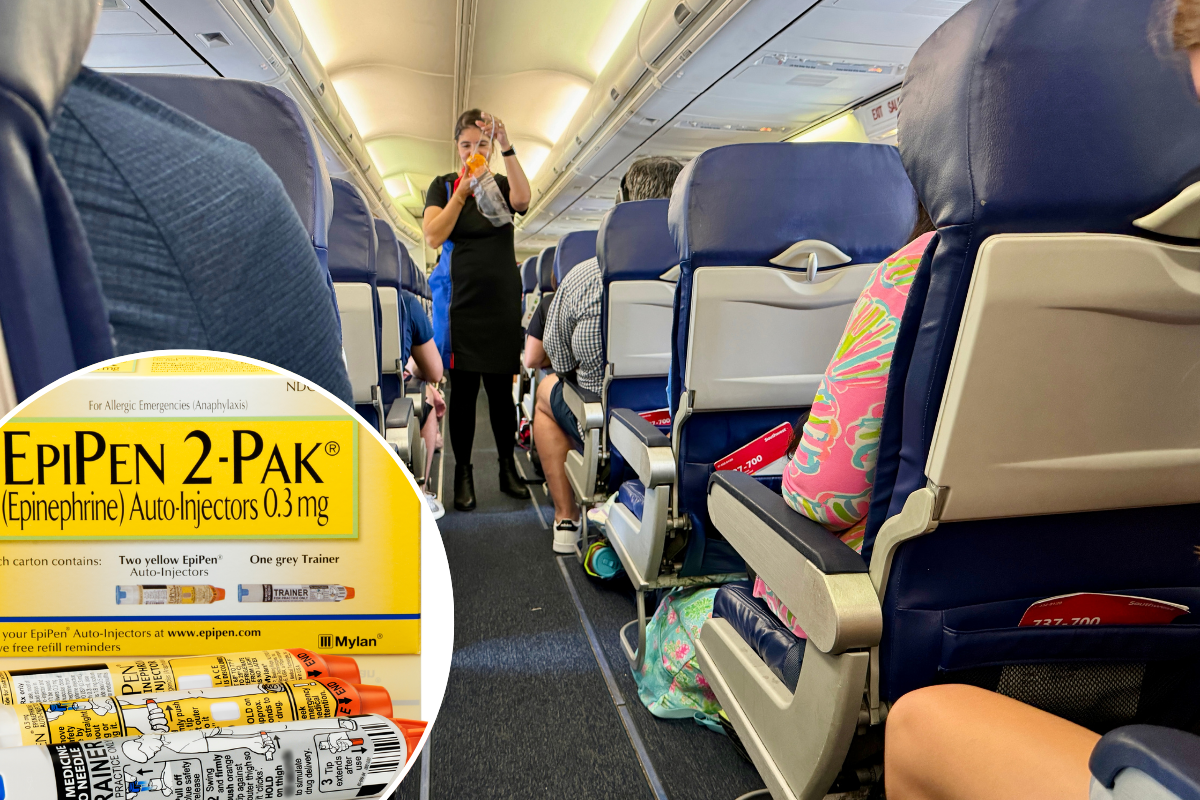
The Youth Food Allergy Policy Coalition has petitioned the Federal Aviation Administration (FAA) to require U.S. commercial passenger airlines to stock epinephrine autoinjectors or nasal sprays. The coalition argues that current FAA requirements for vials and syringes are insufficient to treat life-threatening anaphylactic shock during flights.
Why are current FAA medical rules being challenged?
Under existing FAA rules, airlines must carry two single-dose vials of epinephrine. These vials require a qualified healthcare professional to draw the medication into a syringe for intramuscular administration, according to the petition.
The Youth Food Allergy Policy Coalition states that most airlines do not train flight attendants to administer these syringes. This leaves crews dependent on the presence of an off-duty doctor or nurse during a medical emergency.
The charity notes in its petition that hygienic medical equipment is not readily available on aircraft. These conditions make the use of syringes difficult and time-sensitive when immediate intervention is required to prevent asphyxiation.
What are the costs and logistical hurdles for airlines?
The coalition recommends that every airplane carry four autoinjectors: two adult doses and two pediatric doses. However, the high cost of these medications presents a significant challenge for the industry.
Brand-name EpiPens retail for up to $700 each and require replacement every 18 months. Nasal sprays, such as those marketed under the brand name Neffy, cost a similar amount but have a longer shelf life of up to 30 months.
Despite the lack of a federal mandate, some carriers have already updated their protocols. In 2024, Southwest Airlines announced it would stock generic epinephrine autoinjectors and Narcan spray in its First Aid kits.
What happens next for airline First Aid kits?
The FAA did not change its rules after three U.S. Senators wrote to administrator Michael Whitaker in 2023. Those senators claimed only “good fortune” had prevented passenger deaths from mid-flight anaphylactic shock up to that point.
A shift may occur under the FAA Reauthorization Act of 2024. This act requires the agency to review medications in airline First Aid kits, specifically studying those that can be “practicably administered” to treat anaphylactic shock.
The FAA could potentially update its requirements based on this review and the pending petition from the Youth Food Allergy Policy Coalition.
Frequently Asked Questions
What is the difference between the current FAA requirement and what is being requested?
The FAA currently requires two single-dose vials that need a professional with a syringe. The petition requests autoinjectors or nasal sprays, which require little to no training to administer.
How much do epinephrine autoinjectors cost airlines?
Brand-name EpiPens can cost up to $700 each and must be replaced every 18 months. Nasal sprays like Neffy cost similarly but last up to 30 months.
Which airlines already carry autoinjectors?
Southwest Airlines announced in 2024 that it would stock generic epinephrine autoinjectors in its onboard kits.
Do you believe all airlines should be required by law to carry easy-to-use epinephrine autoinjectors?