
Can Cellular Reprogramming Reverse Aging? The New Frontier of Longevity
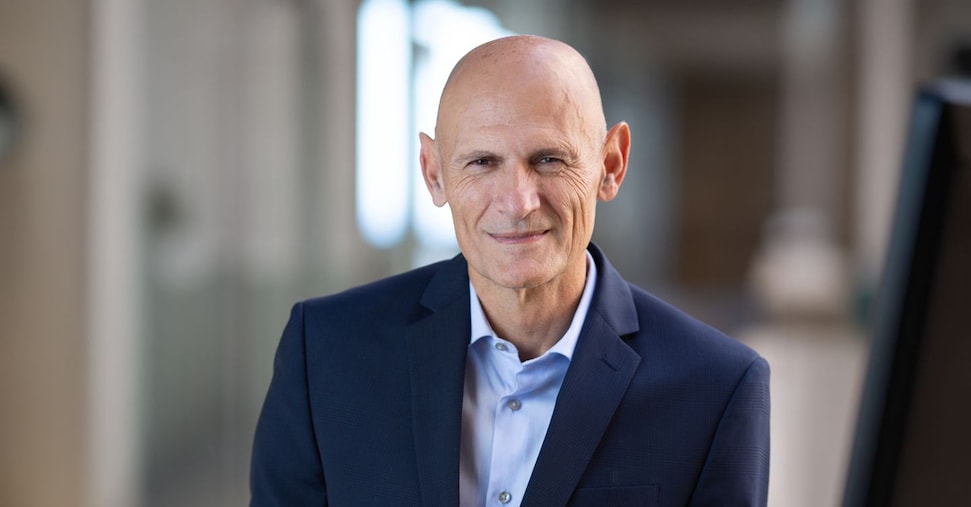
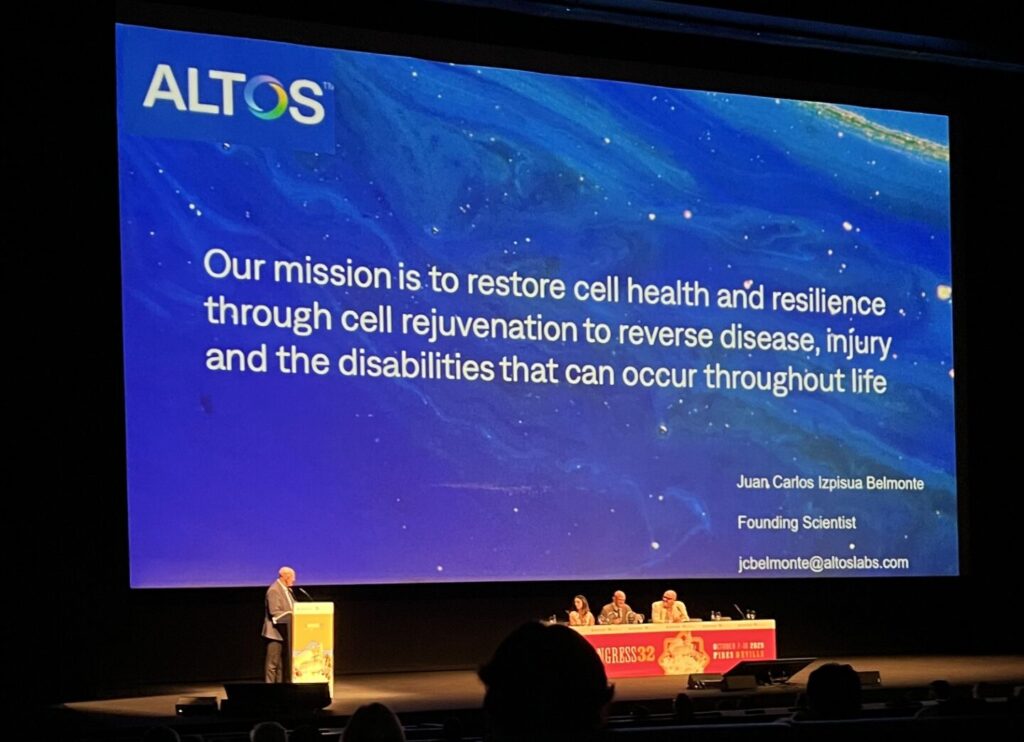
For generations, aging has been viewed as an inevitable decline—a biological destination rather than a malleable process. However, recent advancements in regenerative medicine are challenging this paradigm, suggesting that the biological clock may be partially reversible. Juan Carlos Izpisua Belmonte, a founding scientist at Altos Labs and a former professor at the Salk Institute, is leading research into how adult cells might be guided back to a more youthful, resilient state.
Redefining the Aging Process
The core of this research rests on a shift in perspective: aging is not merely the accumulation of biological wear and tear, but a significant loss of cellular identity. When cells lose their original identity, they become vulnerable to dysfunction, inflammation, and disease. This deterioration often manifests as a “mesenchymal drift,” a state where cells lose their stability and become prone to inflammatory or dysfunctional behaviors.
The breakthrough approach currently under investigation is partial cellular reprogramming. By utilizing Yamanaka factors—a group of four proteins—scientists aim to reset certain aspects of a cell’s function. The goal is to restore the plasticity and repair capabilities typical of early life without causing the cell to lose its specialized identity, such as a heart cell remaining a heart cell.
The Challenge of Biological Balance
Transitioning this technology from the laboratory to clinical human application presents significant hurdles. The primary challenge lies in maintaining precision; researchers must improve cellular functionality without triggering a total loss of cellular specialization. If a cell loses its defined role, the system’s biological equilibrium is compromised.

the current focus is not on a complete “reset” of the human body, but on guiding cells toward a more functional state. By preserving the “buffer capacity”—the ability of tissues to respond to stress and maintain balance—scientists believe they may be able to mitigate the vulnerability that comes with aging.
Future Implications for Medicine
While the long-term potential for preventative medicine is significant, the immediate impact of this research is likely to be felt in the treatment of specific diseases. Many age-related conditions—including neurodegenerative, cardiovascular, and fibrotic diseases—share fundamental biological mechanisms like chronic inflammation and a diminished capacity for tissue repair.
If researchers can successfully intervene in these foundational processes, the potential exists to address multiple pathologies simultaneously. As the science progresses, the ability to restore cellular stability could change how we approach the treatment of chronic illness, moving the medical community toward therapies that target the underlying causes of vulnerability rather than just the symptoms of disease.
Frequently Asked Questions
What is the primary goal of partial cellular reprogramming?
The goal is to restore the functionality and adaptability of adult cells to a more youthful state without causing them to lose their specialized identity or biological purpose.
What is “mesenchymal drift”?
This proves a phenomenon where cells lose their stability and identity, which can lead to inflammatory or dysfunctional states, increasing the risk of disease.
What are the most likely initial applications for this research?
The most immediate clinical applications are expected to be in the treatment of existing diseases that share common biological mechanisms, specifically neurodegenerative, cardiovascular, and fibrotic conditions.
How do you envision these advancements in cellular research changing the way we perceive long-term health and aging?