

Can Europe Use US Debt as a Financial Weapon?
Eurozone nations hold more than $9,000 billion in U.S. financial assets, a position that theoretically serves as a significant economic lever in the event of rising tensions with the United States. However, economists warn that utilizing this holding as a financial weapon—specifically by selling U.S. government debt—would likely trigger immediate negative consequences for both the American and European economies, including increased borrowing costs and market volatility.
Did You Know? The United States accounts for 40% of the global bond market, while the Eurozone and China each represent approximately 15%, leaving few alternatives for investors looking to relocate significant capital.
Risks of a Sell-Off
A mass liquidation of U.S. Treasury debt would likely destabilize the American economy by complicating the financing of the federal budget and suppressing growth through higher interest rates. According to analysis provided by economists Paola Subacchi and Paul van den Noord, such a move would also negatively affect Europe. Higher interest rates in the U.S. would drive up borrowing costs across the Atlantic, effectively raising the cost of European public debt.
Furthermore, the mechanics of bond trading present a hurdle. As European investors began selling, the market value of their remaining holdings would decline. If new debt is issued at higher rates, existing debt with lower yields loses its market appeal, eroding the value of the very assets the Europeans hold.
Structural Challenges to Financial Strategy
Implementing a coordinated financial strategy is hindered by the private nature of these assets. The vast majority of European holdings are managed by private entities, such as pension funds and investment firms, rather than government treasuries. Economists note that there is no central mechanism or “button” for European officials to press to initiate a unified divestment policy, making transnational public-private coordination effectively impossible.
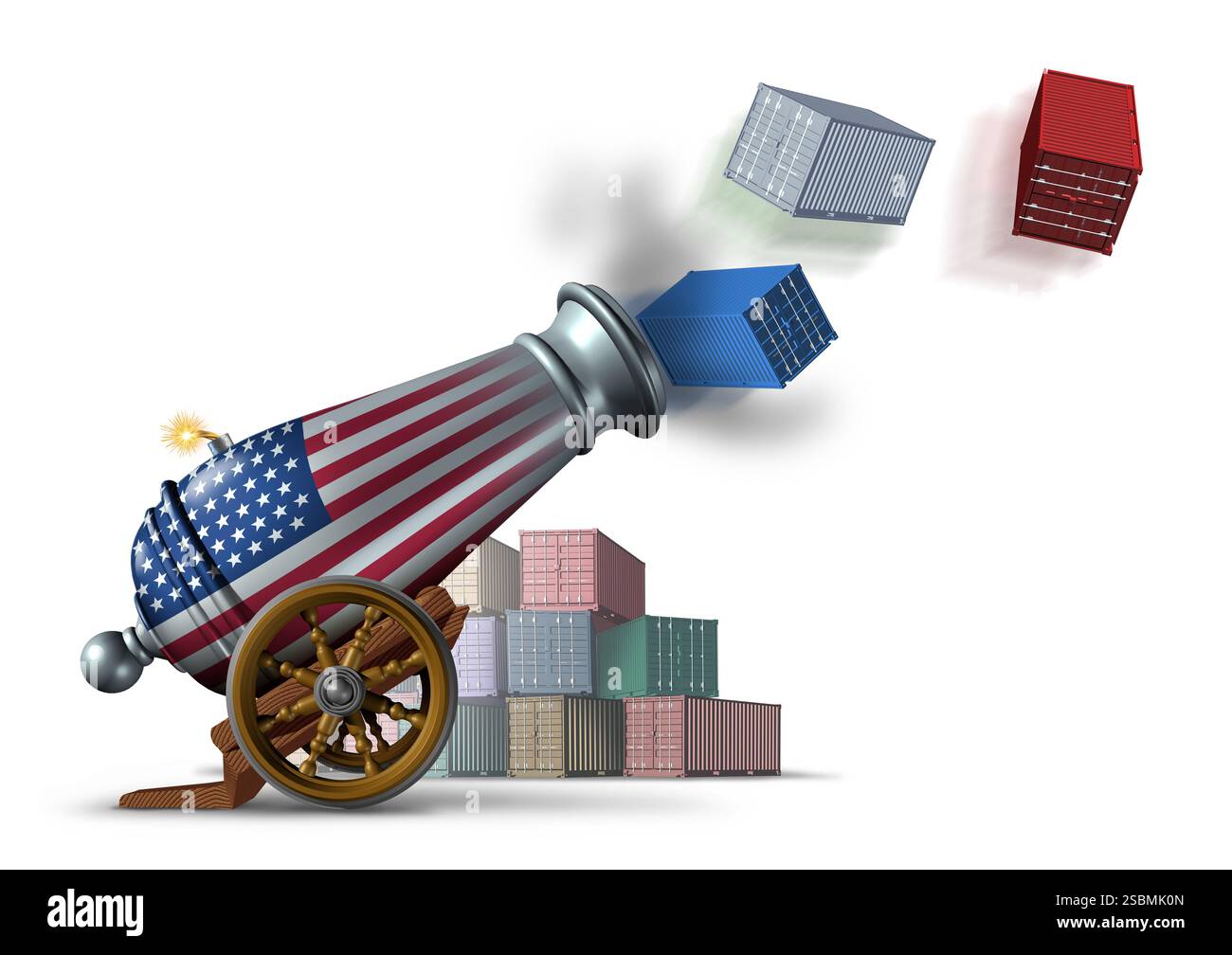
Expert Insight: The inability to act as a monolithic bloc limits the geopolitical utility of these holdings. While the sheer volume of assets is immense, the fragmentation of ownership among private fund managers means that any shift in investment strategy will be driven by individual market outlooks rather than unified state policy.
Shifting Investment Trends
Despite the structural difficulties, some institutional shifts are being observed. Valérie Baudson, CEO of the European investment fund Amundi, which manages €2,400 billion in assets, stated in early February that she is advising clients to reduce investments in U.S. currency. Economists Subacchi and van den Noord suggest that creditors may gradually reduce their purchases of U.S. debt as the global economy fragments and the role of the dollar potentially declines.
However, Florence Pisani, chief economist at Candriam, emphasizes that there is currently no major European bond market capable of serving as a sufficient alternative to the U.S. market. While advisors like Stephen Miran, a central bank economic advisor to Donald Trump, have suggested that foreign creditors could face forced exchanges into long-term bonds with low or zero interest rates, experts maintain that evidence of a broad European retreat from U.S. Treasuries remains anecdotal.
Frequently Asked Questions
Could the Eurozone effectively use its $9,000 billion in U.S. assets as a political weapon?
Experts argue this is unlikely. Selling these assets would likely cause a domestic bond crisis in Europe, increase the cost of credit, and result in losses on the remaining assets held by European investors.

Why is there no coordinated “European” response to U.S. economic policy?
The majority of U.S. financial assets held by Europeans are owned by private entities like pension and investment funds. There is no central authority or mechanism to coordinate these private actors into a unified state-led financial policy.
Are European investors currently pulling their money out of the U.S. market?
While some fund managers have signaled a desire to reduce dollar-denominated investments, economists state there is no empirical evidence at this stage that Europe is reducing its marginal demand for U.S. Treasury bonds.
Given the lack of viable alternatives to the U.S. bond market, how do you expect global investors to manage their risk if economic tensions between the U.S. and Europe continue to escalate?