
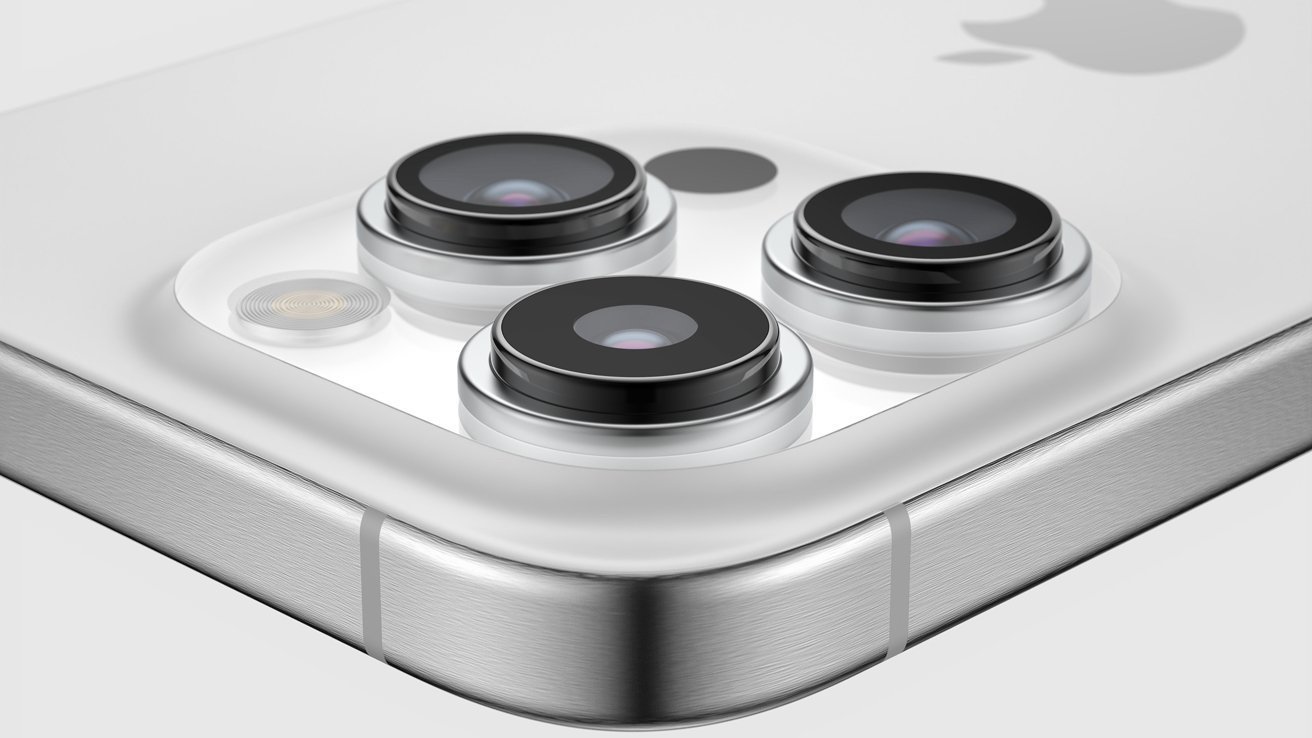
Can iPhones film underwater?
Beyond Water-Resistance: The Quest for the Perfect Underwater Shot
For years, the conversation around iPhones and water has been centered on survival. We ask, “Will it survive a drop in the sink?” or “Is it safe for a splash of rain?” But Apple is shifting the narrative from mere survival to professional performance.
A recently granted patent reveals that Apple isn’t just trying to keep water out. they are redesigning how light enters the camera when submerged. The goal? To eliminate the bulky, cumbersome “dome ports” that have plagued underwater mobile photography for a decade.
The Innovation: One Lens to Rule Them All
Traditional underwater housings rely on separate ports for each lens. If your phone has three cameras, you essentially have three tiny windows. These are often held together by glue and seams—the two biggest enemies of a watertight seal.
Apple’s new approach, detailed in the “Plurality Of Optical Centers In A Unified Free Form, Hemispherical Optic” patent, proposes a singular, unified optic. Instead of multiple ports, a single protective layer covers the entire camera array.
This “single-sheet” philosophy offers three massive advantages:
- Reduced Distortion: By eliminating seams and glue, Notice fewer physical irregularities to warp the image.
- Slimmer Profile: This technology could be integrated into a slim, snap-on case rather than a bulky diving brick.
- Superior Sealing: A single piece of material is inherently more resistant to water ingress than a multi-part assembly.
How This Changes Mobile Cinematography
We are seeing a massive surge in “adventure content.” From travel vloggers in the Maldives to extreme sports athletes, the demand for high-quality underwater 4K footage is at an all-time high. Currently, creators must choose between a flimsy waterproof bag (which ruins image quality) or a professional housing that costs hundreds of dollars.
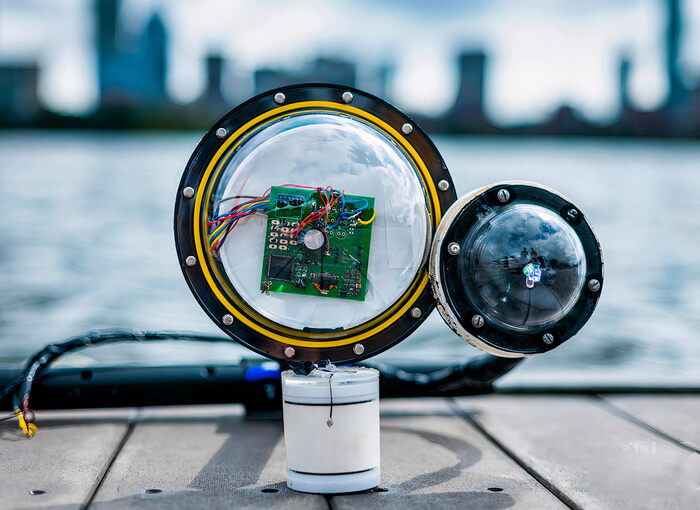
Imagine a world where a premium iPhone case provides professional-grade optical correction. This would democratize underwater cinematography, allowing users to switch between ultra-wide and telephoto lenses underwater without the distortion typical of cheap plastics.
The Trend: The “Modular” Professional iPhone
This patent points to a larger trend: Apple is turning the iPhone into a modular hub for professional tools. We’ve already seen the introduction of the Action Button and dedicated Camera Control. Adding a specialized “Optical Case” for underwater work fits perfectly into this ecosystem.
Industry experts suggest that Apple may not build this directly into every phone—as it would add unnecessary bulk for the average user—but will instead offer it as a high-margin accessory. This follows the logic of the MagSafe ecosystem, where hardware is extended via magnetic attachments.
Comparing the Old vs. The New
| Feature | Traditional Housings | Apple’s Proposed Optic |
|---|---|---|
| Form Factor | Bulky, cumbersome | Slim, case-integrated |
| Optical Quality | Prone to seam distortion | Unified, seamless clarity |
| Leak Risk | High (multiple seals/glue) | Low (single-piece material) |
Frequently Asked Questions
Will all future iPhones be fully waterproof?
While iPhones have increasing IP ratings for water resistance, “waterproof” is a different standard. This patent focuses on optical protection for active underwater use, rather than just accidental drops.

Can I use this technology with third-party cases?
Likely not. Because the optic must match the curvature and placement of the lenses perfectly to avoid distortion, this would almost certainly be a first-party Apple accessory or a highly licensed partner product.
Does this mean the iPhone will replace GoPro?
For most creators, yes. If the iPhone can capture distortion-free underwater footage in a slim form factor, the need for a separate action camera diminishes significantly.
What do you think?
Would you trust a slim case for deep-sea diving, or do you prefer the bulk of a professional housing? Let us know in the comments below!