
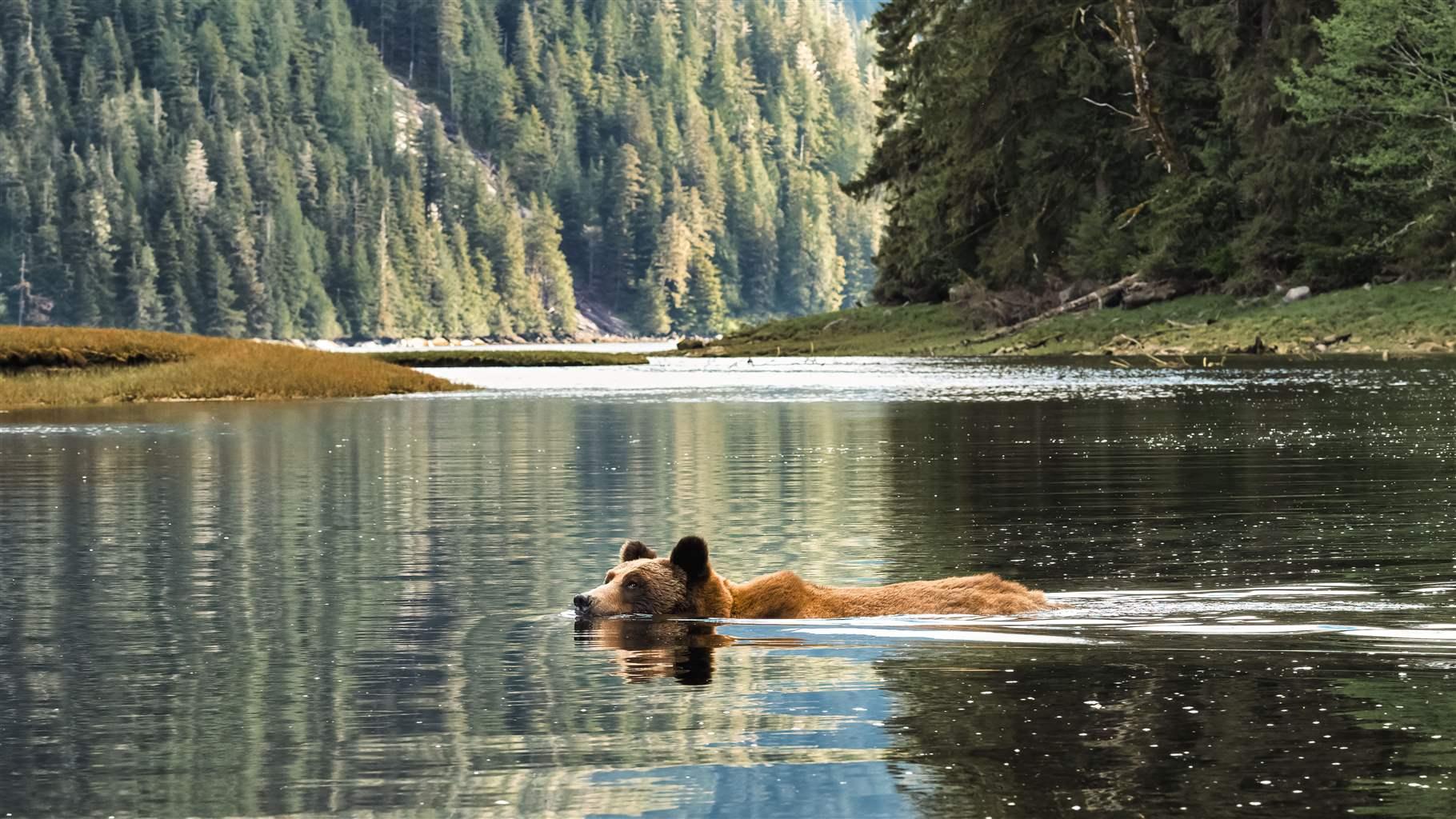
Canada’s 30 by 30 Goal: A Strategy to Protect Lands and Waters
Canada has committed to protecting 30% of its land and marine territory by 2030, a goal known as “30 by 30,” supported by a CA$3.8 billion federal investment outlined in the strategy, “A Force of Nature.” The plan prioritizes Indigenous-led conservation and seeks to integrate environmental protection with national economic development, according to the federal government and reports from The Pew Charitable Trusts.
How does Canada plan to balance development with conservation?
The federal strategy, “A Force of Nature,” proposes using data-driven planning to steer industrial projects away from sensitive ecosystems. According to the government’s framework, integrating economic and nature agendas aims to reduce conflict between stakeholders and provide clearer expectations for infrastructure development. This approach relies on identifying where conservation is paramount while streamlining decision-making for necessary economic growth. The strategy explicitly notes that conservation and development should not be viewed as competing priorities, as nature underpins long-term economic prosperity.
Why is Indigenous leadership central to the “30 by 30” goal?
Conservation outcomes are historically stronger when local communities manage their own lands, according to research cited by The Pew Charitable Trusts. The Canadian strategy allocates CA$231 million over five years to support Indigenous Guardians, who are trained experts that monitor and manage lands on behalf of their Nations. This funding includes a new Arctic Indigenous Guardians program. By centering Indigenous knowledge and self-determination, the plan aims to ensure that environmental stewardship also supports cultural continuity and local economic well-being in northern and coastal regions.

What are “other effective area-based conservation measures” (OECMs)?
OECMs refer to geographic areas that are managed to achieve positive, long-term conservation results, even if they are not formally classified as protected parks. The Canadian strategy emphasizes that these areas require transparent governance and clear management practices to qualify under global standards. By utilizing OECMs, Canada intends to add meaningful environmental protections to its portfolio without needing to re-designate every managed area as a traditional protected zone.
What challenges remain for the 2030 timeline?
Success depends on sustained, long-term funding and the ability to measure the tangible benefits of conservation, such as reduced flood risk and cleaner water. According to Gretchen Tearle, interim director of The Pew Charitable Trusts’ conservation Canada project, the primary challenge is ensuring these initial investments translate into enduring partnerships. Key indicators of success will include how the government manages the Canada Nature Protection Fund and whether it provides sufficient resources for the ongoing management of protected areas, not just their initial establishment.
Frequently Asked Questions
What is the “30 by 30” goal?
It is a global commitment, joined by Canada and 195 other nations, to protect 30% of the world’s land and water by the year 2030.
What is a Project Finance for Permanence (PFP) agreement?
PFP is a model that ties long-term financial investment to specific, measurable social and environmental outcomes. Examples include the Our Land for the Future agreement in the Northwest Territories.
How can I track Canada’s progress on these goals?
The federal government publishes updates on its “A Force of Nature” strategy. Additionally, organizations like The Pew Charitable Trusts monitor the progress of Indigenous-led stewardship and nature finance initiatives.
Are you interested in how local conservation impacts national policy? Subscribe to our newsletter for regular updates on Canada’s environmental progress and the latest in Indigenous-led land management.