

Cancer patients found a simple way to stay mentally sharp during chemotherapy
Exercise and low-dose ibuprofen may reduce cognitive impairment, often called “chemo brain,” in chemotherapy patients. A Phase II clinical trial published in the journal CANCER found that physical activity improved attention and reduced observable cognitive issues, though ibuprofen showed mixed results regarding verbal memory.
How do exercise and ibuprofen affect “chemo brain”?
Researchers tested two interventions to combat cognitive changes, which include memory problems, trouble concentrating, and difficulty multitasking. The study enrolled 86 chemotherapy patients who reported these cognitive difficulties.

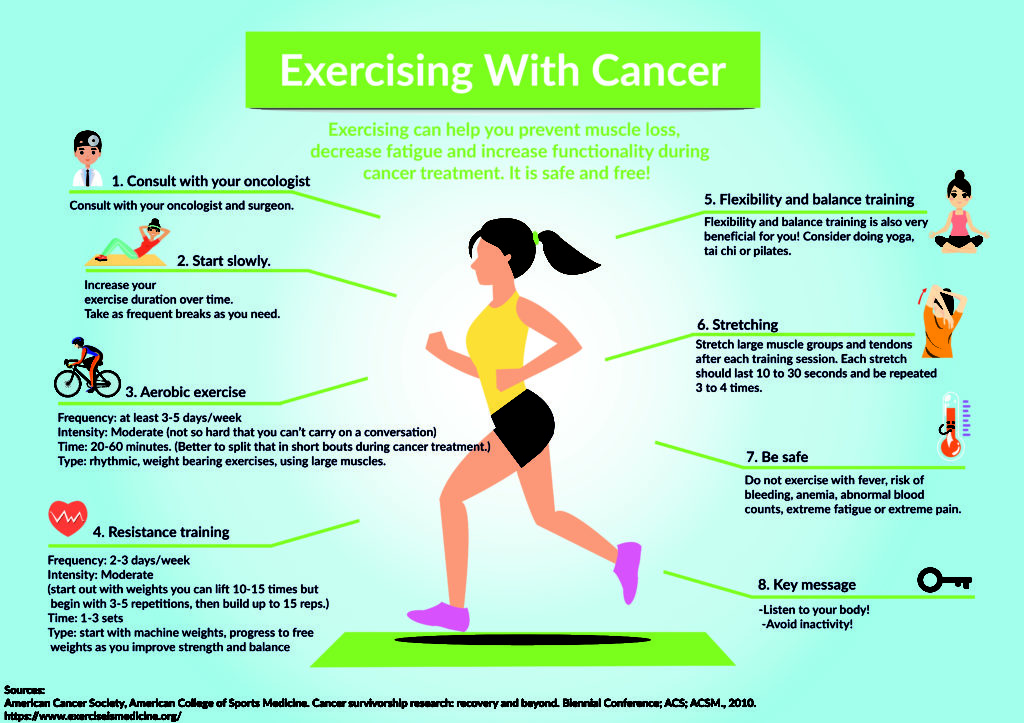
Participants spent six weeks in one of four groups: Exercise for Cancer Patients (EXCAP) combined with low-dose ibuprofen, EXCAP with a placebo, ibuprofen only, or a placebo only. EXCAP consists of a home-based, progressive walking and resistance exercise prescription at low-to-moderate intensity.
Patients in the EXCAP and placebo group performed significantly better on attention tests than those in the placebo-only group. Those taking only low-dose ibuprofen also showed greater attention improvement than the placebo group.
The study also tracked observations from friends, family, and coworkers. Both the EXCAP plus ibuprofen and EXCAP plus placebo groups showed improvement in how often others noticed their cognitive problems compared to the placebo group.
Ibuprofen results were less consistent. Patients taking the medication showed less improvement in short-term verbal memory than those who didn’t take it. Researchers stated this specific finding requires more investigation.
What are the next steps for these interventions?
Lead author Michelle C. Janelsins, PhD, MPH, of the University of Rochester and the Wilmot Cancer Institute, said the trial’s findings are encouraging. She noted the more pronounced effect of exercise is significant given its other health benefits for cancer survivors.
Janelsins stated this is one of the first studies to use both patient-reported outcomes and performance-based assessments for patients with multiple diseases during chemotherapy.
Larger Phase III clinical trials may be necessary to confirm these results. Future research could explore different doses of low-dose ibuprofen and various durations for exercise programs.
Dr. Janelsins advised patients experiencing cognitive problems to consult their healthcare provider before starting any new intervention to ensure it’s appropriate for their specific situation.
Frequently Asked Questions
What are the common symptoms of “chemo brain”?
Cognitive changes can include memory problems, trouble concentrating, and difficulty juggling multiple tasks.
What is the EXCAP program?
EXCAP is a home-based, low-to-moderate intensity prescription involving progressive resistance exercise and walking.
Did ibuprofen improve all cognitive functions?
No. While it helped with attention, patients taking ibuprofen showed less improvement in short-term verbal memory than those not taking the medication.
Have you or a loved one discussed cognitive health strategies with a healthcare provider during treatment?