
Cat AIDS Outbreak in Drechtsteden: Warning for Pet Owners
A significant outbreak of Feline Immunodeficiency Virus (FIV), commonly known as cat AIDS, has been reported across the Drechtsteden region. Local animal welfare organization Stichting Dieren Steun has identified a concerning number of positive cases within a short timeframe, particularly in Papendrecht, Sliedrecht, and Zwijndrecht.
An Unprecedented Local Surge
The organization describes the situation as an “enormous cat AIDS outbreak,” noting that the concentration of positive tests in specific neighborhoods is unusual. While the virus is most prevalent among stray populations, several house cats have also tested positive.
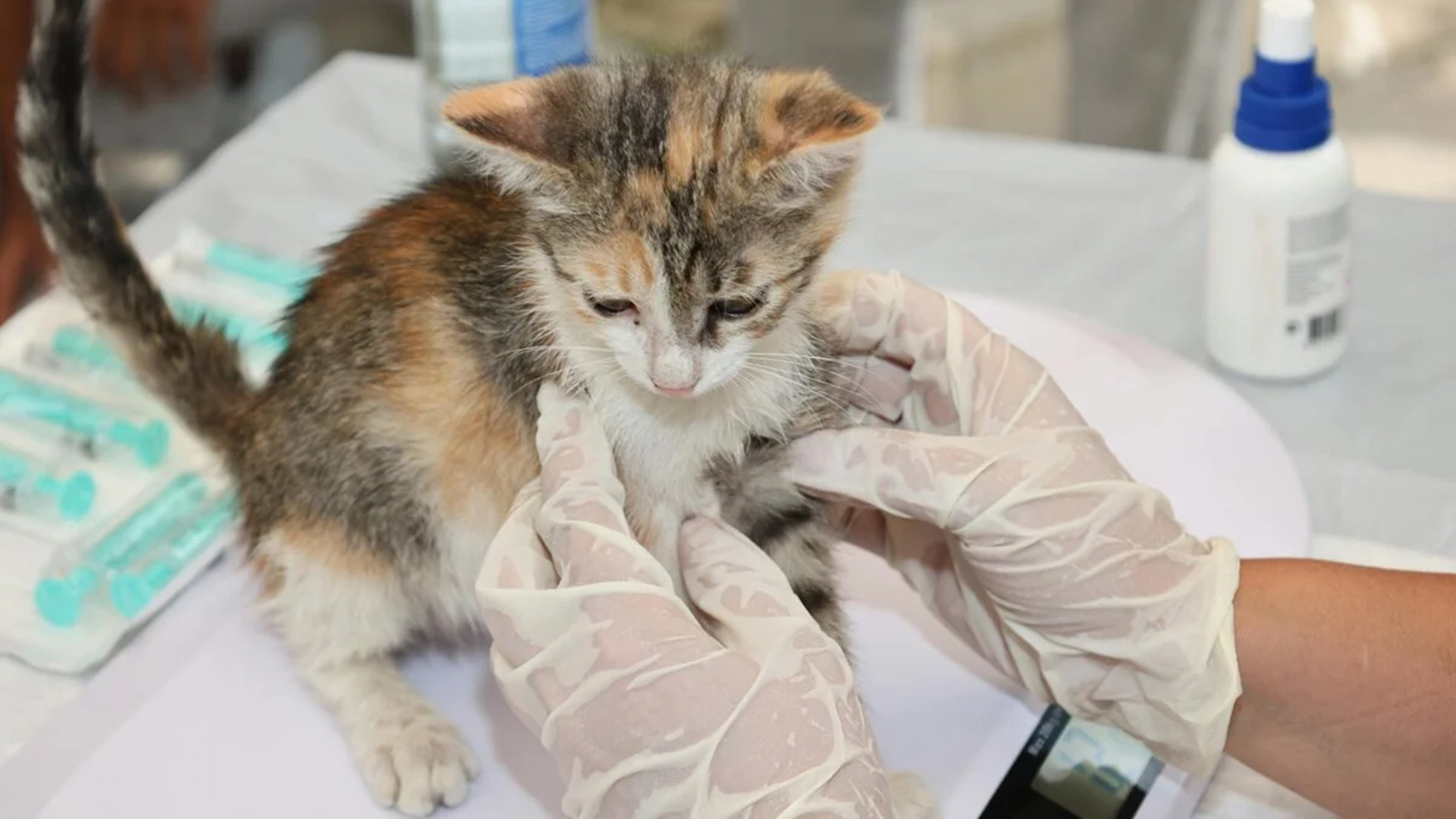
Of particular concern is the discovery of infected kitten litters in the affected neighborhoods. These young animals cannot be easily placed in homes due to their health status.
How the Virus Spreads
FIV is transmitted between cats through blood and mating. The most common vectors for transmission are bite wounds and activities associated with mating.
Unneutered male cats are at a higher risk because they fight more frequently. Similarly, unspayed females may sustain bite wounds during mating, facilitating the transfer of the virus.
Understanding the Impact of FIV
FIV often presents no clear symptoms for years. However, it eventually weakens the immune system, making cats significantly more susceptible to other infections.
Common symptoms include fever, weight loss, lethargy, and a poor coat condition. Cats may also suffer from chronic respiratory or skin infections, as well as recurring inflammation of the mouth and gums.
Cats generally do not die from the FIV virus itself. Instead, they succumb to the consequences of a compromised immune system, which allows other diseases and infections to become life-threatening.
Prevention and Public Warnings
The recommended approach to curbing the spread is straightforward: ensure cats are neutered or spayed promptly. Owners are advised to keep their pets indoors until these procedures are completed.
There is also a strong warning against purchasing kittens from private sellers or platforms like Marktplaats. Private sellers rarely test their cats before breeding, and infected kittens often show no visible signs of illness.
The region currently faces a shortage of shelter capacity for stray cats, while many animals already in shelters continue to wait for permanent homes.
Potential Future Scenarios
If sterilization rates do not increase, the virus could continue to spread rapidly through local stray and house cat populations. This may lead to a higher volume of infected kittens, potentially further straining the limited capacity of local animal shelters.
A possible next step for the community could involve a higher volume of residents reporting kitten litters to welfare organizations to manage the population more effectively.
Frequently Asked Questions
How is FIV transmitted between cats?
The virus is spread via blood and mating, specifically through bite wounds and during the mating process.
What are the symptoms of cat AIDS?
Symptoms can include weight loss, fever, lethargy, poor coat condition, chronic skin or respiratory infections, and recurring inflammation of the gums and mouth.
Can humans catch FIV from their cats?
No, cat AIDS is not contagious to humans.
Are you taking the necessary steps to protect your pets from local health risks?