
Catastrophic Chemical Tank Threat in Southern California Evacuates 60,000 Residents
Residents of Garden Grove, a Southern California city of about 171,000, were permitted to return home Tuesday after a 7,000-gallon tank containing methyl methacrylate—a toxic and flammable chemical—threatened to explode. The incident, first detected on Thursday, led to the evacuation of approximately 60,000 people across Garden Grove and neighboring areas. By Tuesday night, officials confirmed no risk of explosion, fire, or chemical leakage, lifting all evacuation orders.
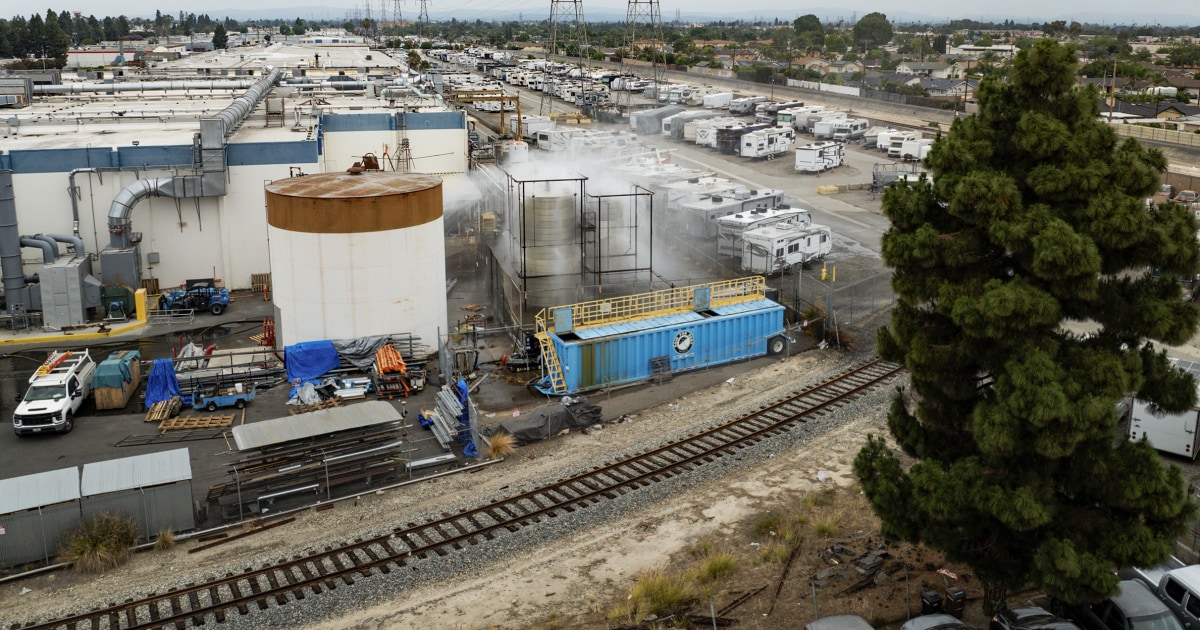
The crisis began when firefighters responded to a 911 call about a leaking tank at GKN Aerospace. A faulty refrigeration system valve caused the tank to overheat, reaching 100 degrees Fahrenheit over the weekend. Cooling efforts, including company sprinklers and a fire department hose stream delivering 1,250 gallons per minute, stabilized the tank. A crack in the tank also helped relieve pressure, preventing a boiling liquid expanding vapor explosion (BLEVE), which officials called a potential catastrophe.
Mayor Stephanie Klopfenstein announced investigations at multiple levels to determine if regulations were violated. Residents questioned the presence of hazardous materials in the community, while GKN Aerospace apologized for the disruption, stating its priority remains public safety.
The fire authority noted the tank’s temperature had stabilized at 92 degrees by Tuesday. While the immediate danger has passed, lingering questions about regulatory compliance and long-term environmental impacts could shape future policy discussions. Officials have not specified whether the facility will face penalties or operational changes.
Community meetings and regulatory reviews may continue to address concerns about risk management. The incident also raises broader questions about how industrial facilities in urban areas prepare for and respond to such crises.
As the city moves forward, the focus will remain on ensuring that such a near-catastrophe does not recur. The role of emergency response systems, corporate responsibility and governmental oversight will likely be scrutinized in the coming weeks.
What steps should communities take to balance industrial development with safety in high-risk areas?
What chemical was involved in the incident?
The tank contained methyl methacrylate, a toxic and flammable substance.
How many people were evacuated?
Approximately 60,000 residents of Garden Grove and neighboring cities were displaced at the peak of the crisis.
What caused the tank to overheat?
A malfunction in the refrigeration system’s valve led to a rise in temperature, increasing the risk of explosion.
What steps should communities take to balance industrial development with safety in high-risk areas?