
CCC senators blow hot and cold on bill to extend Mnangagwa rule
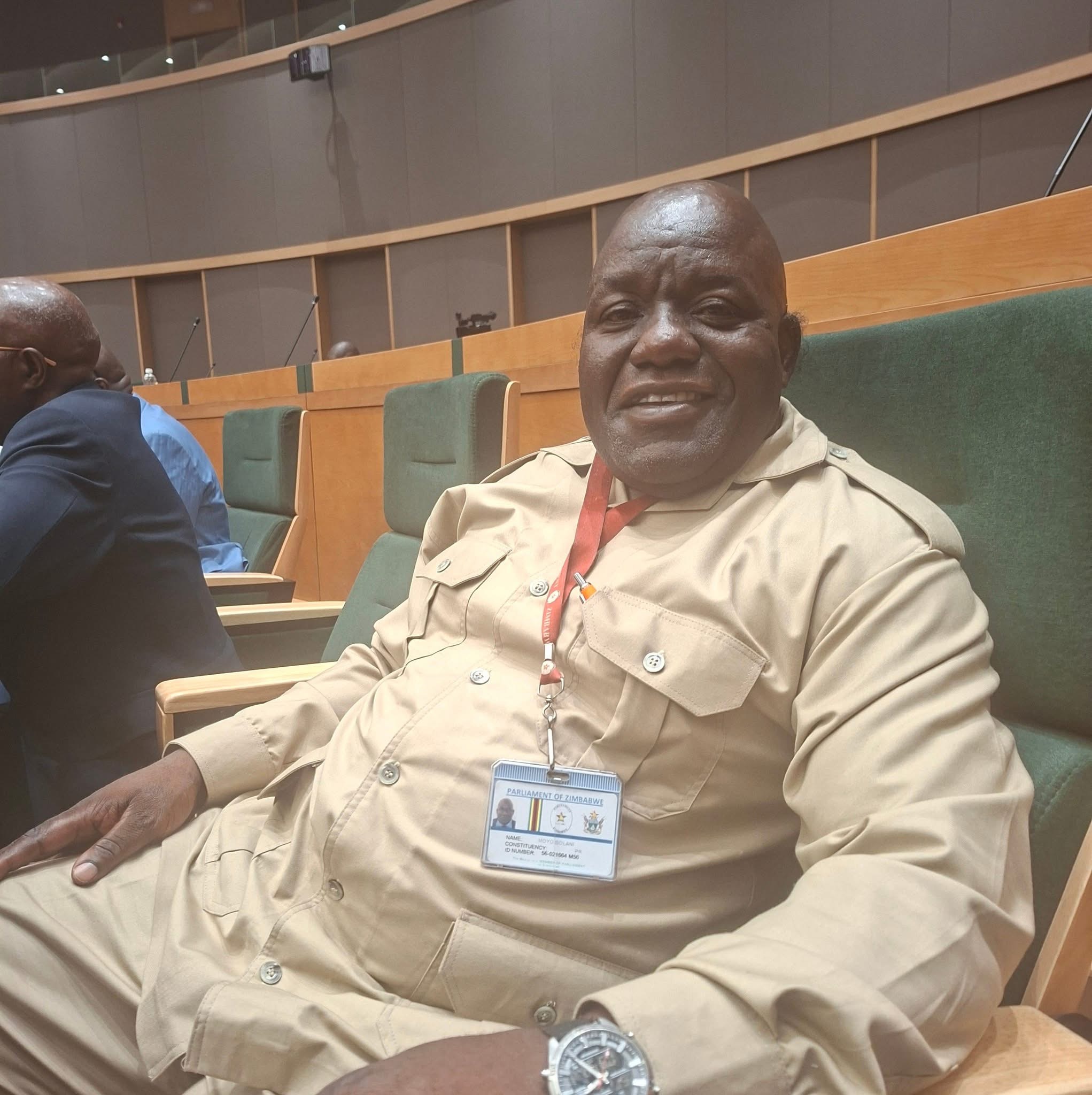
Zimbabwe’s Senate is currently debating the Constitution of Zimbabwe Amendment Bill (No. 3), which proposes extending presidential terms to seven years and removing direct elections. According to Senate records from Tuesday’s session, the Citizens Coalition for Change (CCC) is split on the Bill, while traditional chiefs show overwhelming support for the changes.
What changes does the Constitution of Zimbabwe Amendment Bill (No. 3) propose?
The Bill, referred to as CAB3, introduces several fundamental shifts in how Zimbabwe is governed. According to Senator Solani Moyo, the legislation seeks to extend the terms of the President, Parliament, and other elected officials from five to seven years.
Other primary changes include:
- Presidential Selection: Removing direct presidential elections and allowing Parliament to choose the president.
- Senate Expansion: Adding ten more senators appointed by the president.
- Administrative Shifts: Transferring the voters’ roll from the Zimbabwe Electoral Commission (ZEC) to the Registrar General.
- Judicial Oversight: Increasing executive control over judicial appointments.
Why is the CCC divided over the legislation?
The Citizens Coalition for Change (CCC) is struggling to maintain a united front, mirroring a split seen in the National Assembly where 35 CCC MPs previously voted with Zanu PF to pass the Bill. In the Senate, views range from total rejection to partial support.
Senator Solani Moyo described the Bill as a “coordinated scheme” to consolidate executive power and bypass the need for a referendum. She argued that lawmakers extending their own mandates without returning to the voters is “how democracies die.”
Conversely, Senator Linda Sibanda expressed support for the seven-year presidential term and the move of the voters’ roll to the Registrar General, citing the goals of Vision 2030 and the National Development Strategy. Other members, including Senator Kudakwashe Matibiri and Senator Tapfumanei Muzoda, suggested that while the Bill may have support, it should undergo a referendum to ensure legitimacy.
How are traditional chiefs influencing the outcome?
Traditional chiefs have emerged as a critical voting bloc for the government. During Tuesday’s sitting, at least 10 chiefs spoke in favor of CAB3, and none registered outright opposition. Senator Chief Chitanga explicitly stated, “We support this Bill, all of us as chiefs.”
Chief Siansali of Binga specifically praised Minister of Justice, Legal and Parliamentary Affairs Ziyambi Ziyambi for removing a clause that would have forced traditional leaders into partisan politics. Siansali called the repeal of that provision “the best thing you have done to this Bill.”
Will the Bill pass the Senate?
The math suggests the government is close to the required 54 votes but may still rely on CCC defections. Zanu PF holds 33 seats and the 18 chiefs are largely supportive, totaling 51 votes. This leaves a gap of three votes to reach the two-thirds threshold.
The debate highlights a growing contrast in how the Bill is framed. While Senator Moyo views the changes as a removal of electoral accountability, Senator Sesel Zvidzai prefaced his constitutional concerns by praising President Mnangagwa’s economic record, noting a GDP increase from “a measly 20 or so to 57.”
Comparison of Key Positions on CAB3
| Entity | Stance | Primary Concern/Reason |
|---|---|---|
| Zanu PF & Chiefs | Supportive | Vision 2030 / Traditional authority |
| CCC (Hardline) | Opposed | Executive overreach / Lack of referendum |
| CCC (Moderate) | Qualified Support | Economic growth / Administrative efficiency |
Frequently Asked Questions
What happens to presidential elections under CAB3?
If passed, direct elections would be replaced by a system where Parliament chooses the president.
How long would a presidential term be?
The Bill proposes increasing the term from five years to seven years.
Why is the voters’ roll move controversial?
Critics, including some CCC senators, argue that moving the roll to the Registrar General increases executive control over the electoral process.
Do you think constitutional changes should always require a public referendum? Let us know your thoughts in the comments below or subscribe to our newsletter for updates on Zimbabwean legislative developments.