

CCJ Rules Suriname Violated CARICOM Rights in Landmark Decision
The Caribbean Court of Justice (CCJ) has ruled that Suriname violated the right to free movement of Derek Anand Ramsamooj, a political analyst from Trinidad and Tobago. The court ordered Suriname to pay USD 30,000 in damages following the determination that Ramsamooj was detained for extended periods in 2020 without effective access to legal counsel.
Legal Breach and Detention Details
The case stems from events beginning on October 6, 2020, when police approached Ramsamooj at the ‘Perfect Stay’ apartment complex in Paramaribo. After seizing his passport and ordering him to report the following day, authorities detained him as part of a criminal investigation into alleged fraud and corruption within the then-government.
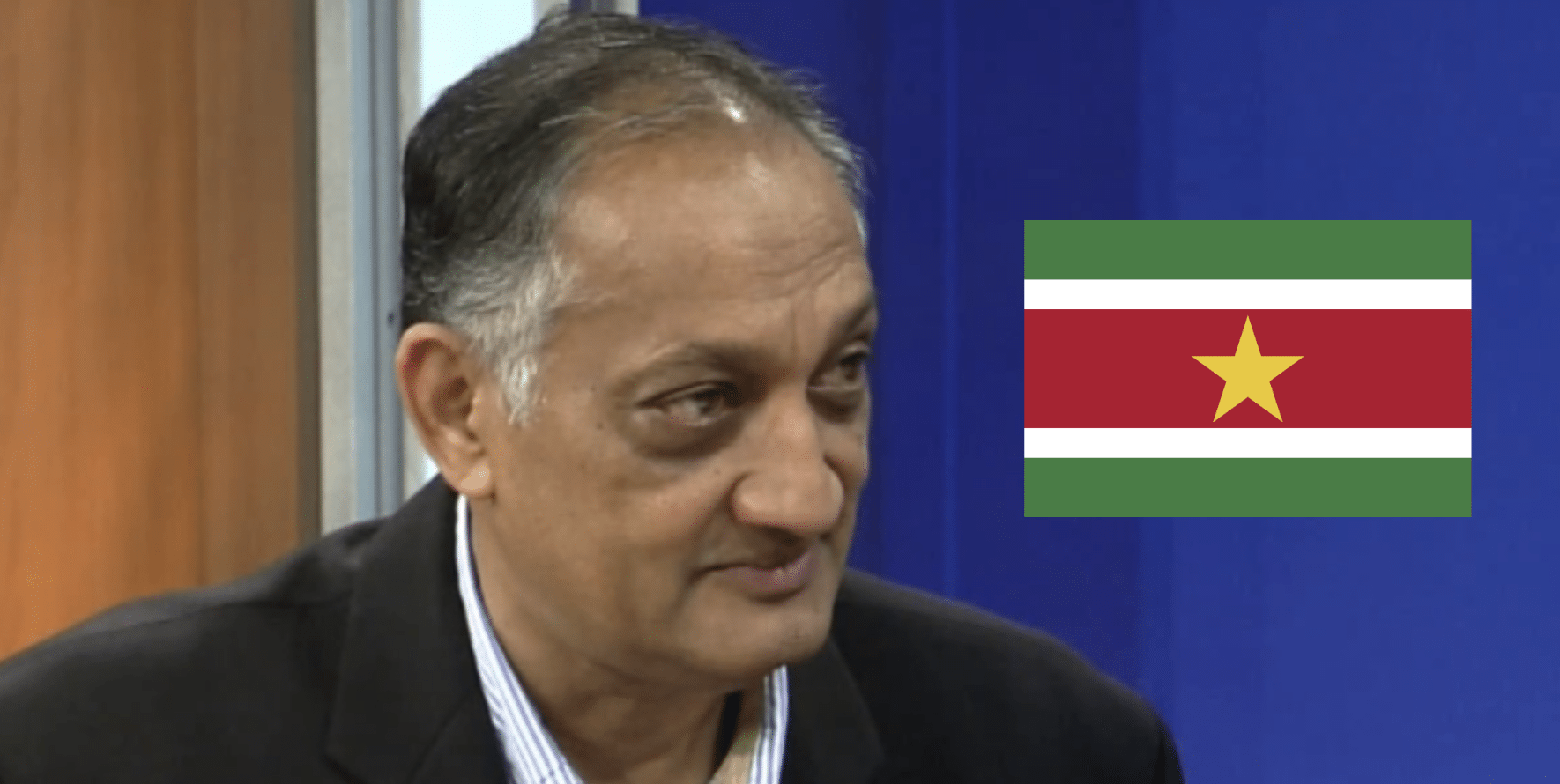
The CCJ found that Ramsamooj was held for two separate eight-day periods under Article 40 of the Surinamese Code of Criminal Procedure without access to a lawyer. During these interrogations, he was questioned in Dutch via a translator and statements recorded in Dutch were subsequently used against him.
Ramsamooj remained in preliminary detention until December 22, 2020, when he was released due to deteriorating health. While formal charges including money laundering, fraud, and participation in a criminal organization were filed in March 2021, his passports were not returned until September 2022.
The Intersection of Human Rights and CARICOM Law
The central legal conflict focused on whether restricting access to a lawyer violated the rights of CARICOM citizens under the Revised Treaty of Chaguaramas. The CCJ determined that the right to free movement within the region cannot be effectively exercised without the protection of fundamental human rights.

The court explicitly stated that access to legal assistance from the first interrogation constitutes the minimum level of legal protection required within the CARICOM community. The ruling clarified that member states cannot rely on national procedures, such as Article 40 of the Surinamese Code of Criminal Procedure, when those procedures conflict with minimum community human rights standards.
Health Implications and Future Legal Standing
The court accepted medical expert reports showing that Ramsamooj developed severe health issues during his detention, including a stroke and cardiovascular complications. The CCJ concluded that the conditions of his detention contributed to these medical crises.
Regarding the ongoing criminal proceedings, the CCJ noted that its ruling does not prohibit Suriname from continuing its prosecution. However, the court stipulated that evidence or statements obtained during the period when his rights were violated may not be used if doing so would again conflict with community law.
Some claims were rejected by the court, including a request for a separate ruling on the right to offer services within CARICOM, as it was not sufficiently proven that he was actively providing services under the treaty’s definition at that time. A full causal link between his medical costs and the rights violation was not established.
Potential Future Developments
Following this decision, other CARICOM citizens facing legal challenges in member states may seek similar recourse by citing this precedent. Suriname may be required to review the application of Article 40 of its Code of Criminal Procedure to align with the CCJ’s minimum standards.

the evidence used in the pending criminal case against Ramsamooj could be challenged or excluded based on the court’s findings regarding the violation of his legal rights during detention.
Frequently Asked Questions
What was the financial penalty imposed on Suriname? The Caribbean Court of Justice awarded Derek Anand Ramsamooj USD 30,000 in compensation for the violation of his rights. Why was Derek Anand Ramsamooj originally detained? He was detained in connection with a criminal investigation into alleged fraud and corruption within the government of the time. Does this ruling mean the criminal charges against Ramsamooj are dropped? No. The CCJ emphasized that Suriname may still pursue criminal prosecution, although evidence gathered while his rights were violated may be inadmissible. How should regional trade blocs balance national security laws with the fundamental rights of foreign professionals?