

CDC Activates Emergency Response to New World Screwworm
The Centers for Disease Control and Prevention (CDC) activated a Level 3 emergency response on June 11 following New World screwworm (NWS) detections in animals in southern Texas and one county in New Mexico. According to the CDC, the risk to the general public remains low, and there are currently no reported human cases in the United States.
How does New World screwworm affect humans and animals?
New World screwworm is a parasitic infestation that occurs when flies lay eggs in the wounds or body openings of animals or people. The CDC states that while infestations primarily affect wildlife, companion animals, and livestock, human infestations may occur.

This parasite cannot spread from animal to animal, animal to person, or person to person. The risk of infestation is limited to people and animals located in areas where NWS flies are actively circulating.
What is the current federal response strategy?
The CDC is providing support to the Texas Department of State Health Services (DSHS) and the U.S. Department of Agriculture (USDA) to manage the recent detections. The USDA maintains a dashboard that tracks where animal cases have occurred.
In summer 2025, the USDA launched a concerted strategy to push back NWS. This effort is guided by the U.S. One Health Coordination Unit–New World Screwworm Interagency Working Group, which is co-led by the CDC, USDA, and the Department of the Interior.
What may happen next in the eradication effort?
The CDC and its partners may continue an aggressive national response to keep the parasite out of the country. A primary goal is to eradicate NWS from the United States again.
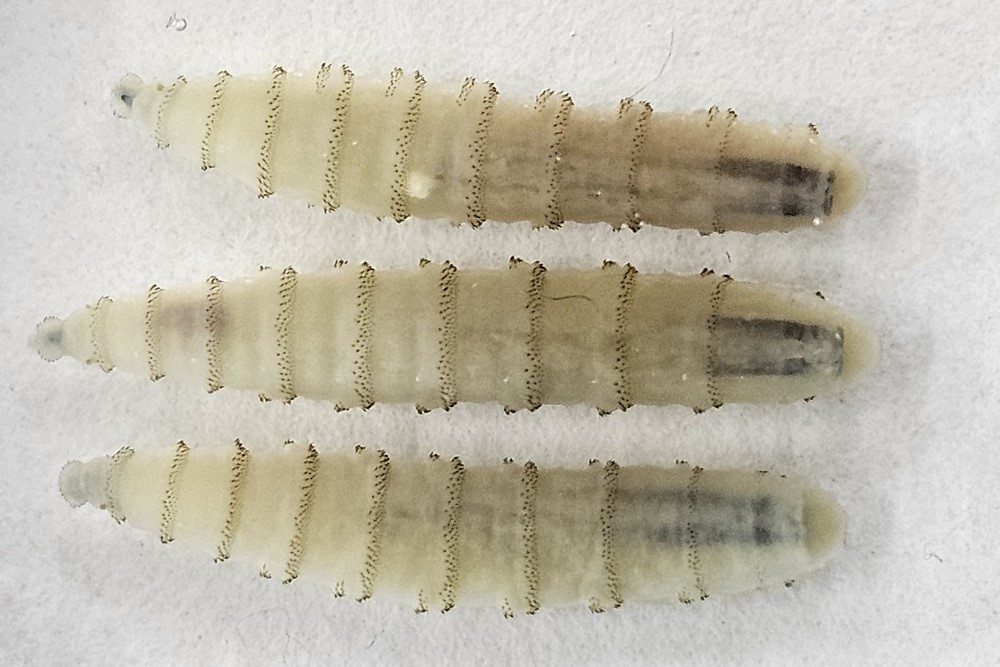
Healthcare providers in affected areas are advised to remain alert for potential human infestations and report suspected cases to state or local health departments. Veterinarians are instructed to report suspicious animal cases to the USDA APHIS Office and state animal health officials.
The CDC has stated it will share more information with the public if a person becomes infested with NWS in the United States. Additional information is available at www.screwworm.gov.
Frequently Asked Questions
Can New World screwworm spread from a pet to a human?
No. According to the CDC, NWS is a parasitic infestation and cannot spread from animals to people, animals to animals, or person to person.
Where have the recent infestations been detected?
Detections have occurred in animals in southern Texas and in one county of New Mexico.
What is the current risk level for the general public?
The CDC reports that the risk to the public remains low and there are no reported human cases in the U.S. at this time.
How do you stay informed about local health and wildlife alerts in your community?