

CDC Hantavirus Response Update
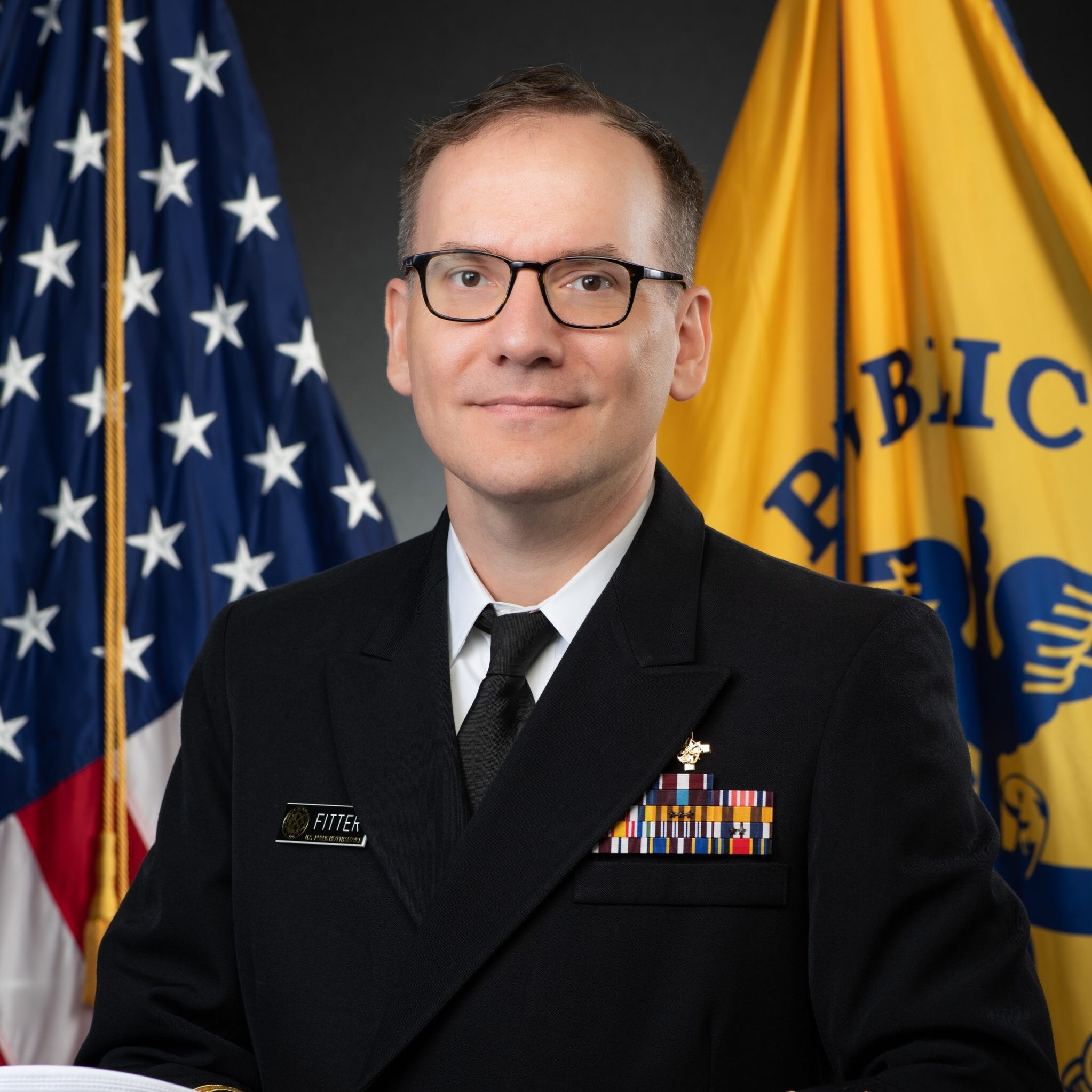
The Centers for Disease Control and Prevention (CDC) is currently monitoring 41 individuals in the United States following a hantavirus outbreak. Dr. David Fitter, the Incident Manager for the CDC’s hantavirus response, has emphasized that the risk to the general public remains low.
The agency has activated its emergency operations center and deployed staff both domestically and overseas. Efforts are focused on assessing potential exposure for passengers and ensuring appropriate health monitoring.
Understanding the Monitoring Process
Those under monitoring are categorized into three primary groups. This includes passengers recently repatriated to facilities in Nebraska and Emory, individuals who returned home before the outbreak was identified, and people potentially exposed during travel on flights where a symptomatic case was present.
The CDC has established a 42-day monitoring period for these individuals. Most people in this group are considered high-risk exposures and are advised to stay at home, avoid contact with others, and refrain from travelling.
Public Health Strategy and Testing
Rather than utilizing federal quarantining authority, the CDC is employing a risk- and evidence-based approach. This strategy involves working closely with passengers and local health departments to create individual plans that ensure rapid access to care if symptoms develop.
Testing is recommended only for individuals displaying symptoms. To identify the virus, the CDC utilizes a CLIA-approved serology test.
International Exposure and Travel Risks
The CDC’s monitoring efforts extend to those exposed during international transit. Specifically, a known infected case went ashore in Saint Helena and took a flight to Johannesburg.
The agency is working to ensure that any contacts on those flights are identified and monitored. Dr. Fitter confirmed that the CDC is in contact with Americans who may have been exposed both within the U.S. And abroad.
Looking Ahead
As the response continues, passengers currently staying in Nebraska and Atlanta may eventually have the option to return home for continued monitoring. This transition could depend on the development of coordinated plans between the passengers and their respective state and local jurisdictions.
Public health officials will likely continue to track all contacts closely, while Secretary Kennedy continues to follow the outbreak’s developments.
Frequently Asked Questions
Are there currently any hantavirus cases in the United States?
No, Dr. David Fitter stated that there are currently no cases in the United States.
Who is being monitored and for how long?
Forty-one people are under monitoring for a 42-day period. This includes repatriated passengers, those who returned home early, and individuals exposed during flights.
What is the recommended protocol for those under monitoring?
The CDC recommends that everyone under monitoring stay at home, avoid being around other people, and avoid travelling.
How do you think coordinated health monitoring compares to mandatory quarantine in managing public health risks?