
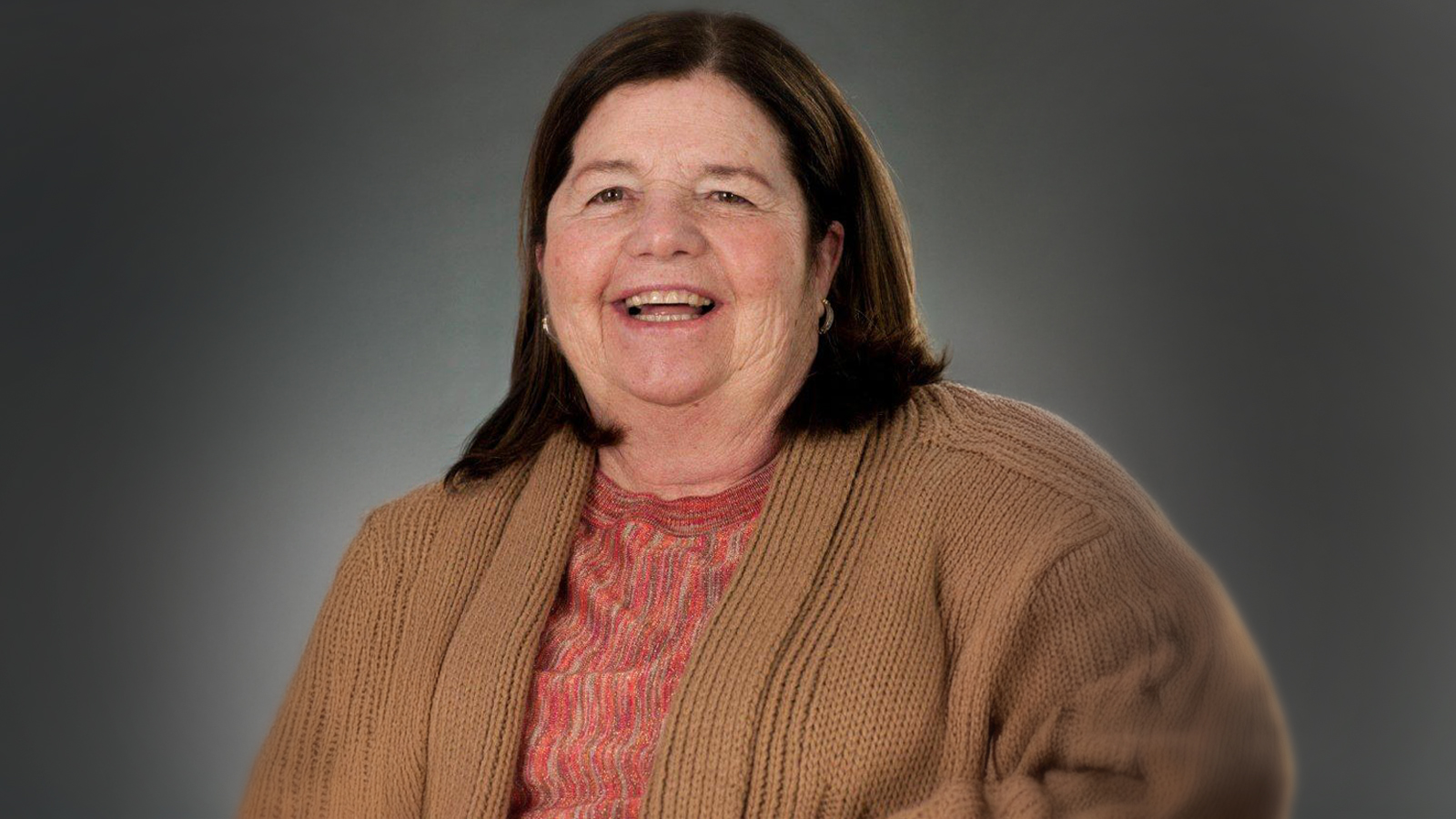
CDC Statement on the Passing of Tips From Former Smokers Participant Suzy Ellis
Suzy Ellis, a participant in the CDC’s Tips From Former Smokers campaign, has passed away, according to a statement from Laura Chanchien Parajón, MD, MPH, Acting Director of the CDC’s National Center for Chronic Disease Prevention and Health Promotion. Ellis used her personal experience with a smoking-related stroke to advocate for tobacco education and smoking cessation.
What health event led Suzy Ellis to quit smoking?
At the age of 57, Ellis suffered a stroke. According to the CDC, her doctors linked the stroke to her history of smoking for many years.
Following this medical event, Ellis quit smoking. She later shared the details of her experience with the CDC to assist others in their health journeys.
How did Suzy Ellis contribute to tobacco education?
Ellis became a participant in the CDC’s Tips From Former Smokers campaign. Through this program, she shared her story to highlight the risks of tobacco use.
According to the CDC statement, Ellis believed that tobacco education campaigns could discourage people who had never smoked from starting. She also aimed to show current smokers that quitting is possible.
What may happen next with the Tips campaign?
The CDC may continue to utilize personal stories from former smokers to drive the Tips campaign. Based on Ellis’s beliefs about the program’s impact, the agency is likely to maintain its focus on both prevention for non-smokers and cessation for current users.

The campaign may continue to provide resources and stories, such as those found in the Suzy Ellis video series, to illustrate the consequences of tobacco use.
Frequently Asked Questions
Who was Suzy Ellis?
Suzy Ellis was an entrepreneur, mother, and reader who participated in the CDC’s Tips From Former Smokers campaign.
What was the link between smoking and Ellis’s health?
Doctors linked a stroke Ellis suffered at age 57 to her many years of smoking, according to the CDC.
What was the goal of the Tips From Former Smokers campaign according to Ellis?
Ellis believed the campaign could encourage non-smokers not to start and show current smokers that quitting is possible.
How do personal stories in health campaigns change your perspective on quitting smoking?