

CDC Strengthens Measles Outbreak Response in South and North Carolina
The Centers for Disease Control and Prevention (CDC) is currently deploying disease detectives and surge resources to South Carolina and North Carolina to assist in containing active measles outbreaks. At the request of South Carolina officials, the agency has embedded epidemiologists to support on-the-ground response activities, including genomic sequencing and data modeling, to identify transmission patterns and guide vaccination efforts.
Did You Know? The CDC’s response includes the expansion of wastewater testing as a tool for real-time situational assessment, allowing officials to better track the spread of the virus within local communities.
How the CDC is Supporting State Responses
To combat the spread of measles, the CDC is providing a comprehensive suite of technical assistance tailored to the needs of South Carolina and North Carolina. According to the agency, this support includes advanced laboratory testing, outbreak modeling, and direct assistance with case classification. Additionally, the CDC is making vaccines available upon request to facilitate rapid response efforts and providing expert guidance on post-exposure prophylaxis to help limit transmission.
Why Public Health Trust Matters
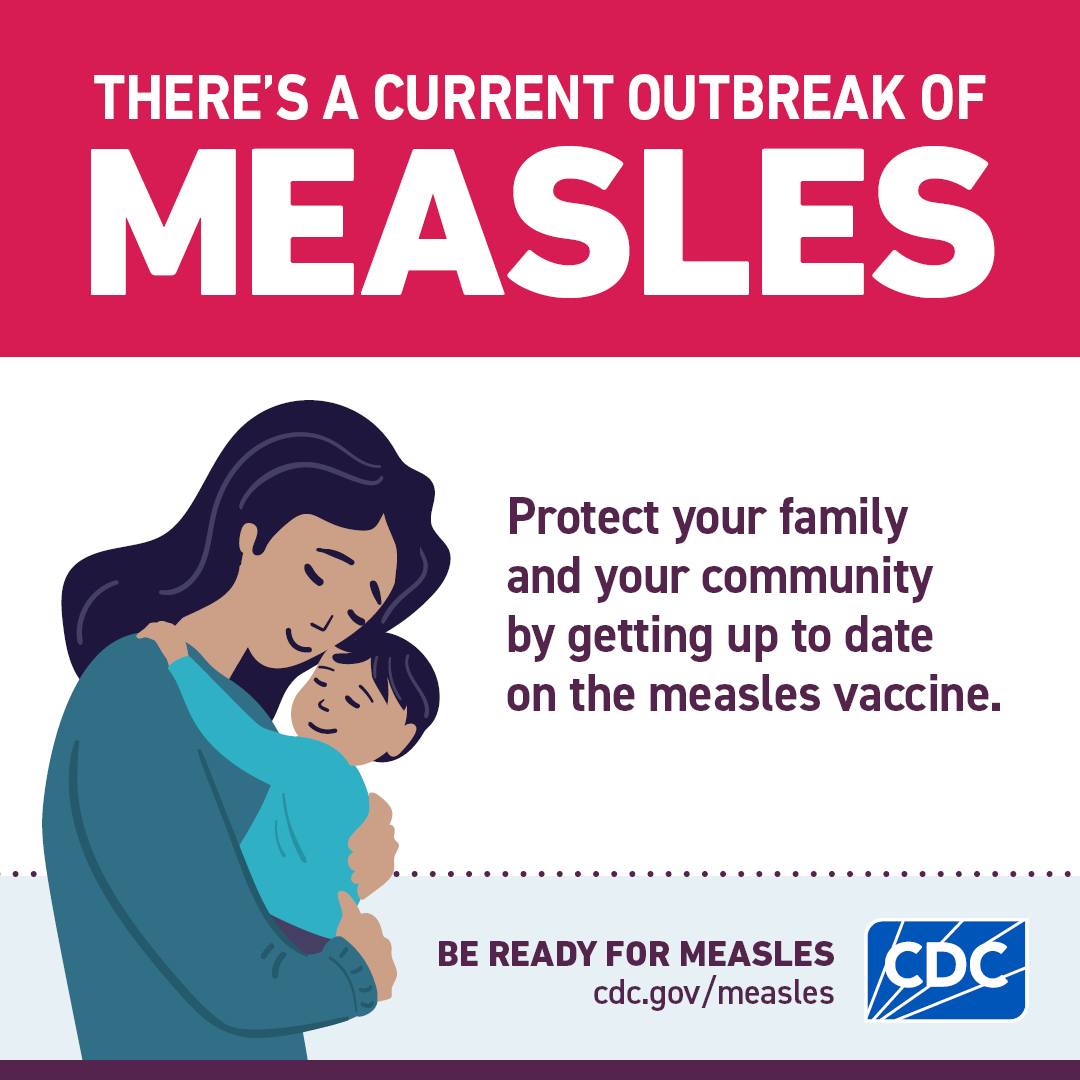
Acting CDC Director Jay Bhattacharya recently addressed more than 2,000 public health partners, highlighting the necessity of collaboration during the current outbreaks. According to Bhattacharya, trust serves as the foundation of public health, and it is earned through openness and evidence-based action. The agency maintains that the Measles, Mumps, and Rubella (MMR) vaccine remains the most effective tool to protect communities, noting that the benefits of the vaccine far outweigh the risks and that serious reactions are extremely rare.
Expert Insight: Samantha Carter notes that the deployment of Epidemic Intelligence Service (EIS) officers signals a high-priority response. By integrating genomic sequencing with local wastewater surveillance, the CDC is likely attempting to map the specific transmission chains that traditional contact tracing might miss. The emphasis on “trust” suggests the agency recognizes that containment success depends heavily on community uptake of vaccination and adherence to public health guidance in these specific regions.
What May Happen Next
As the CDC continues to analyze outbreak data in partnership with state and local officials, the response may evolve based on the transmission patterns identified. Analysts expect the agency to maintain its focus on increasing vaccination coverage, as high coverage is required to protect infants and individuals who cannot be vaccinated. If current strategies are successful, the combination of targeted vaccination and real-time situational assessments could limit the reach of these outbreaks; however, the agency remains fully engaged in providing ongoing support to ensure that local health departments have the resources necessary to meet changing needs.
Frequently Asked Questions
What is the CDC doing in South Carolina and North Carolina?
The CDC is providing surge resources, including embedded epidemiologists, advanced laboratory testing, genomic sequencing, and funding to support the containment of measles outbreaks.
What role does the MMR vaccine play in this response?
The CDC identifies the MMR vaccine as the most effective tool for preventing measles. The agency emphasizes that vaccination significantly reduces infection likelihood and limits the spread of outbreaks.
How does the CDC determine its response strategy?
The agency uses data analysis, outbreak modeling, and real-time situational assessments to guide its strategy. It also coordinates directly with state and local leaders to ensure resources are tailored to regional needs.
How do you prioritize community health resources in your own neighborhood when public health alerts are issued?