
Cell transplant across the tree of life hints at how animals emerged
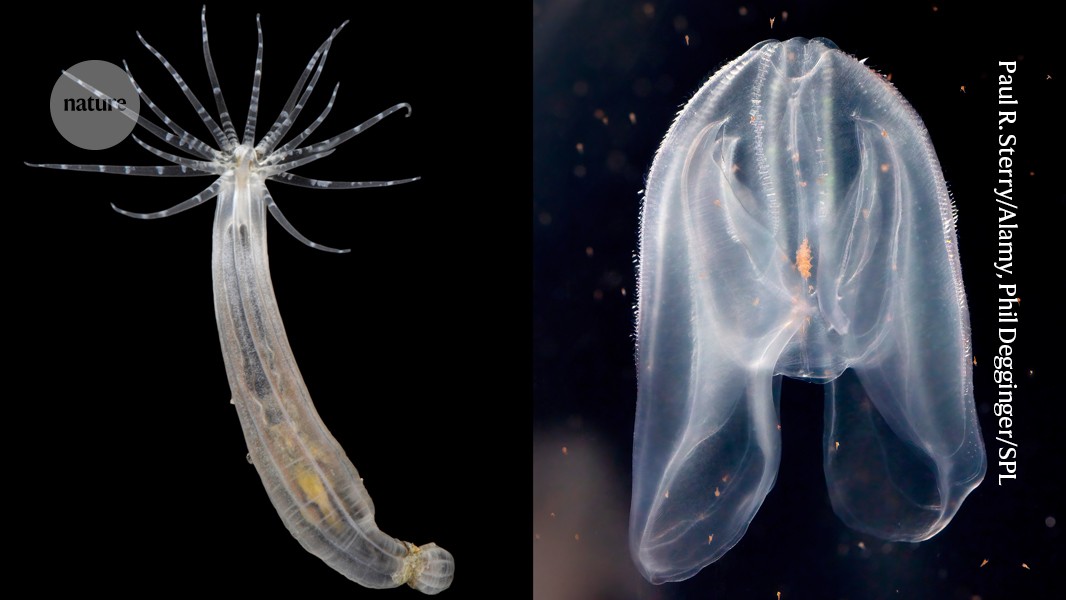
Researchers have successfully transplanted embryonic “organizer” cells from comb jellies into sea anemones, resulting in the growth of extra mouths and pharynxes in the host organisms. This study, published this week in Nature, provides evidence that these specialized cells, which orchestrate body axis formation, may have originated in the earliest branches of the animal family tree. By observing these structures in comb jellies (Mnemiopsis leidyi), developmental biologist Stanislav Kremnyov of Friedrich Schiller University Jena and his colleagues suggest that the development of such organizers was a critical step in the transition from single-celled organisms to complex animals.
How the experiment worked
The research team utilized the high fecundity of Mnemiopsis leidyi, a comb jelly that produces transparent embryos daily. Stanislav Kremnyov identified the location of the embryonic organizer by observing the formation of blastopores during the gastrulation process, which occurs shortly after fertilization. By transplanting these specific cells into starlet sea anemones (Nematostella vectensis), the researchers triggered the development of secondary body structures, including additional mouths and pharynxes, in the host.
Why the discovery matters
This study challenges long-standing assumptions about the timeline of animal evolution. Previously, research into embryonic organizers focused primarily on vertebrates, with a 2007 discovery by Ulrich Technau’s team identifying similar capabilities in sea anemones. Because many scientists categorize comb jellies as one of the earliest branches on the animal family tree, the presence of an organizer in these predators suggests that the “construction foreman” mechanism for building bodies is far more ancient than previously documented. According to Kremnyov, these cells and the morphogens they release serve to instruct surrounding cells on what structures to build and how to organize them.
What could happen next
Future research may focus on the molecular signaling pathways that allow these organizer cells to function across such vast evolutionary distances. As scientists continue to probe the “microzoo” of invertebrates maintained by researchers like Andreas Hejnol, further experiments could clarify if similar organizational activity exists in other primitive lineages. While some experts, including Ulrich Technau, have expressed excitement over the findings, the broader scientific community may require additional studies to confirm the evolutionary implications and address the skepticism currently surrounding the claims.
Frequently Asked Questions
What is an embryonic organizer?
According to the study, an organizer is a group of cells that releases signaling molecules called morphogens to orchestrate the formation of a body axis, effectively instructing other cells on how to build body structures.

Why were comb jellies used in this research?
Scientists believe comb jellies occupy one of the earliest branches of the animal family tree. By studying them, researchers hope to understand the evolutionary origins of complex body development.
Are all scientists in agreement regarding these findings?
No. While researchers like Ulrich Technau have expressed interest in the discovery, the study notes that not all scientists are currently convinced by the claims presented by Kremnyov and his team.
How might these findings change our understanding of the earliest stages of animal life?