
Cervical Cancer Survivor Series: Real Stories and Advice
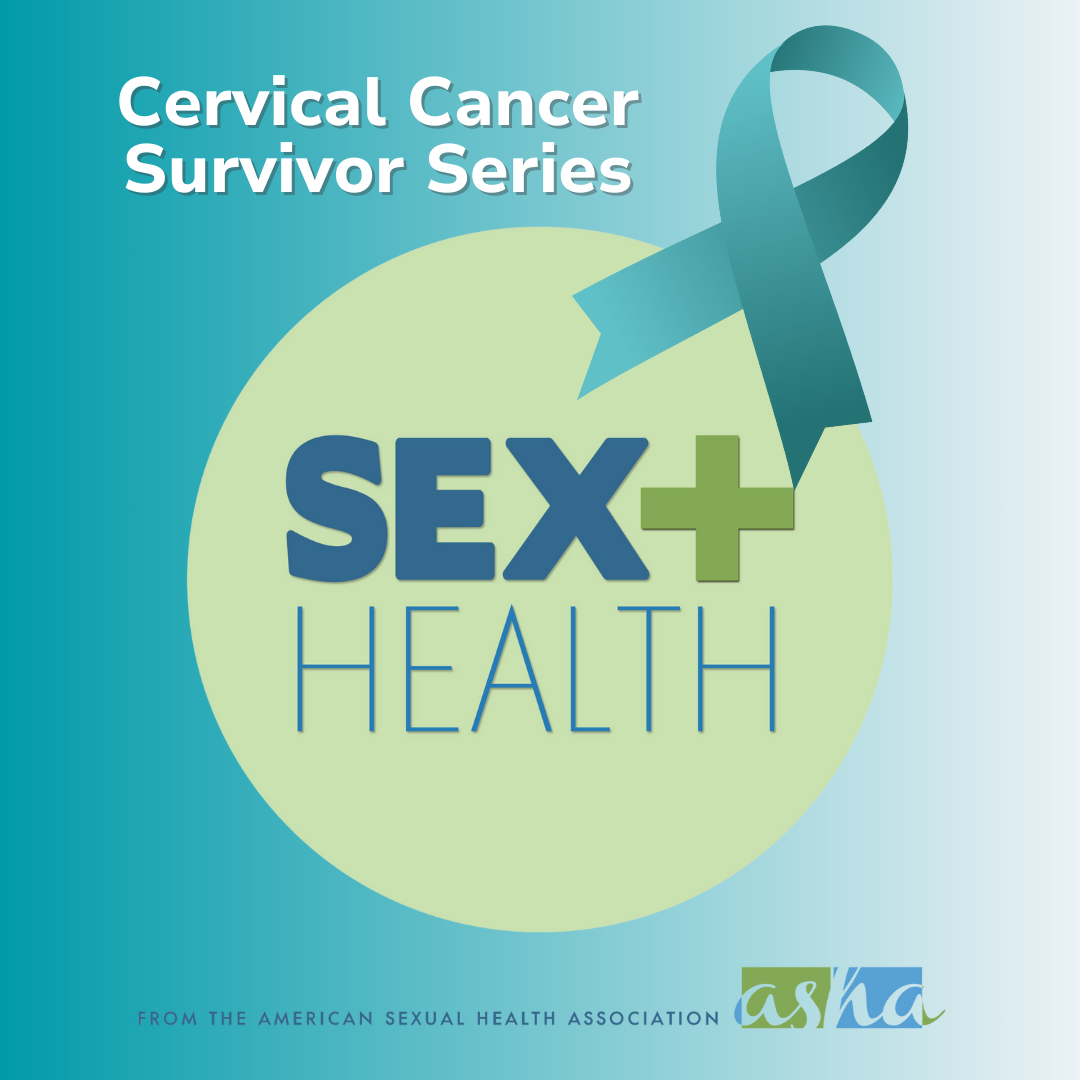
The National Cervical Cancer Coalition (NCCC), a part of ASHA, has released an eight-part “Cervical Cancer Survivor Series” to address the isolation often experienced by patients. According to the NCCC, the series features stories from chapter leaders—including survivors, current patients, and family members of those lost to the disease—alongside interviews with healthcare providers.
Why do cervical cancer patients often feel isolated?
Patients may feel alone because friends and family members who have not personally dealt with cancer often cannot fully relate to the experience. According to the NCCC, this gap in understanding is even more pronounced if those close to the patient have not dealt with that specific type of cancer.
What does the NCCC Survivor Series cover?
The eight-part series provides a range of perspectives on the patient journey. NCCC states that the content touches on diagnosis, treatment, and survivorship.
The series also offers specific advice for those currently facing a diagnosis. Additionally, it provides guidance for the family and friends of cervical cancer patients to help them better support their loved ones.
How could this series help patients and families?
Newly diagnosed patients may find a sense of community by listening to the experiences of NCCC chapter leaders. This could potentially reduce the feeling of being alone during treatment.
Family members may use the advice provided in the series to improve how they relate to a patient. A possible next step for users is to access the full series, including the healthcare provider interviews, via the NCCC website.
Frequently Asked Questions
What is the Cervical Cancer Survivor Series?
It is an eight-part series from the National Cervical Cancer Coalition (NCCC) that shares stories from chapter leaders and interviews with healthcare providers regarding cervical cancer.
Who are the NCCC chapter leaders?
Many chapter leaders are cervical cancer survivors or patients, while others are family members who lost a loved one to the disease.
What specific topics are discussed in the series?
The series covers diagnosis, treatment, and survivorship, and offers advice to patients as well as their friends and family.
How do you think hearing stories from fellow survivors changes the way a patient views their own diagnosis?