
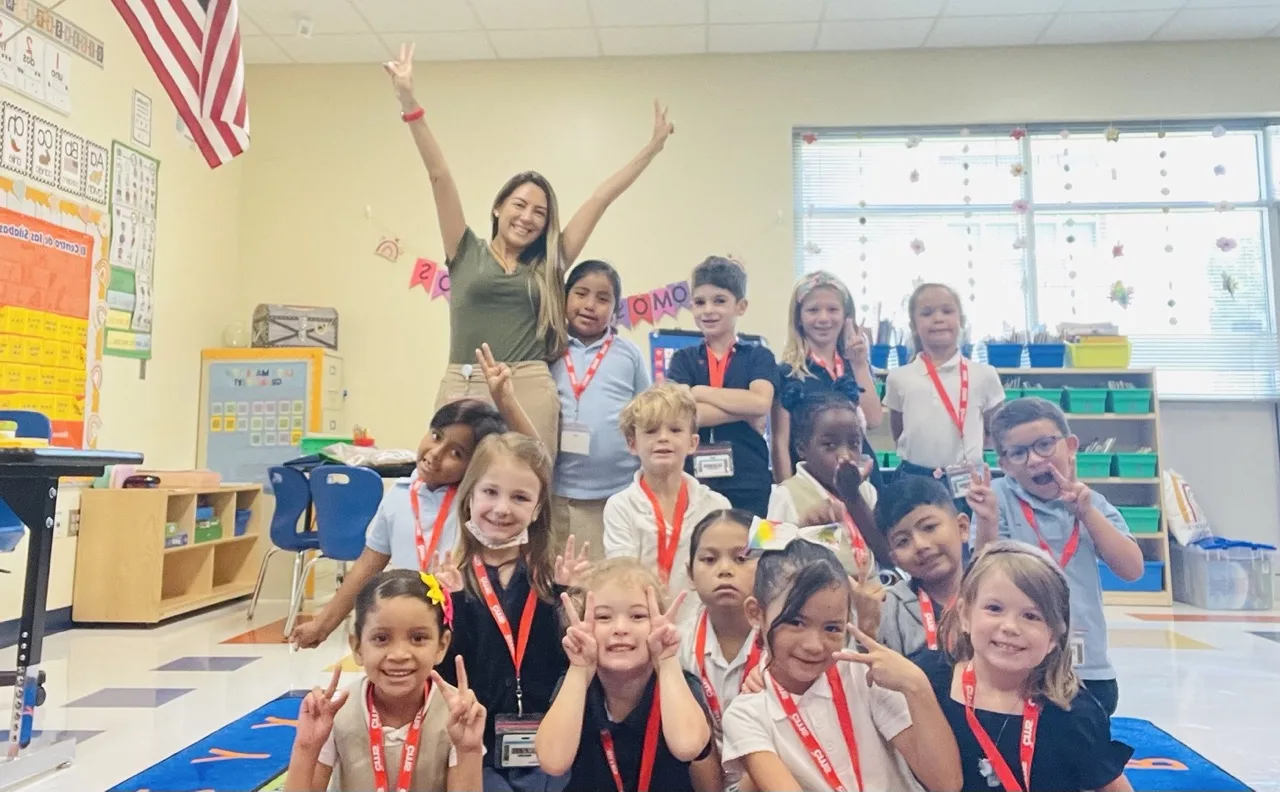
Charlotte Parents Fundraise to Keep Beloved Spanish Teacher in US
A visa expiration deadline is sparking a grassroots effort in Charlotte, North Carolina, where a beloved Spanish immersion teacher’s departure could disrupt the academic progress of dozens of students—and expose deeper challenges in how school districts manage international educators.
How a Teacher’s Visa Crisis Became a Community Battle
Cindy Durán, a Colombian educator teaching at Collinswood Language Academy—a dual-language school in the Charlotte-Mecklenburg School District (CMS)—has spent five years under a J-1 exchange visa. Her visa expires in June, forcing her to return to Colombia unless she secures alternative legal status. But parents of her students are refusing to accept that outcome.
Durán’s impact on students like Liam and Nora Meulman is undeniable. Liam, who struggled with Spanish fluency, now speaks the language with confidence. Nora, once apathetic toward school, now eagerly attends daily. Parents describe a transformation in student engagement, attributing it to Durán’s holistic approach—focusing not just on test scores but on character development and joy in learning.

“With Miss Durán, my daughter changed how she thinks about school,” said Carolina Meulman, whose children attend the academy. “She teaches for more than grades—she teaches them to be good people.” Other parents echo the sentiment, citing Durán’s ability to motivate disinterested students and maintain strong communication with families.
Why This Matters: A Microcosm of Broader Challenges
The crisis highlights systemic gaps in how U.S. School districts support international educators. CMS, like many districts, does not routinely sponsor visa extensions or alternative work authorizations for teachers on J-1 visas. Instead, educators must return to their home countries for two years before reapplying—a process that disrupts continuity in classrooms.
Parents have exhausted conventional options. The H-1B visa, a common path for skilled workers, requires employer sponsorship, which most schools no longer provide due to high demand and lengthy waitlists. The only viable path forward, they discovered, is the EB-2 visa—a green card category for “advanced professionals”—which Durán’s legal team argues she qualifies for as an educator with specialized expertise.

However, the EB-2 process carries steep costs (estimated at $22,000) and a temporary work ban during processing. To bridge the gap, parents launched a GoFundMe campaign to cover expenses and ensure Durán can continue teaching while her residency application moves forward.
What Could Happen Next?
If Durán’s EB-2 petition succeeds, she could obtain permanent residency, resolving the immediate crisis. However, the process may take months, during which she cannot work. Parents’ fundraising efforts could secure her income during this period, but the long-term sustainability of such campaigns remains uncertain.
A possible next step is pressure on CMS to explore institutional solutions, such as partnering with legal aid organizations to streamline visa processes for educators in dual-language programmes. Alternatively, if Durán’s departure becomes inevitable, the school may face enrollment declines or shifts in student morale—particularly among families who credit her for their children’s academic and emotional growth.
Beyond Durán’s case, the situation raises questions about the broader pipeline for international educators. With J-1 visas offering only temporary relief, districts may need to reconsider how they recruit and retain teachers in high-need areas like bilingual education.
Frequently Asked Questions
[Question 1]
Why can’t Cindy Durán simply renew her J-1 visa?
![[Question 1]](https://ruhsmedia.com/wp-content/uploads/2023/05/wongteacher7.jpg "Keep Beloved Spanish Teacher Cindy Durán")
The J-1 program requires educators to return to their home country for two years before reapplying, making renewal impossible under current rules.
[Question 2]
What is the EB-2 visa, and why is it being considered for Durán?
The EB-2 is a green card category for professionals with advanced degrees or exceptional ability. Parents and legal advisors believe Durán’s five years of teaching in a dual-language immersion program qualify her, though the process is costly and time-consuming.
[Question 3]
Has the Charlotte-Mecklenburg School District offered any support?
According to parents, CMS does not typically sponsor visa extensions or alternative work authorizations for J-1 educators, leaving individual teachers to seek private solutions.
How might communities like Charlotte balance the need for specialized educators with the complexities of immigration policy?