

Chikungunya Fever Outbreak in Guangdong, China, 2025: Rapid Spread and Challenges
Why the 2025 Chikungunya Outbreak in Guangdong Is a Wake-Up Call for Global Health
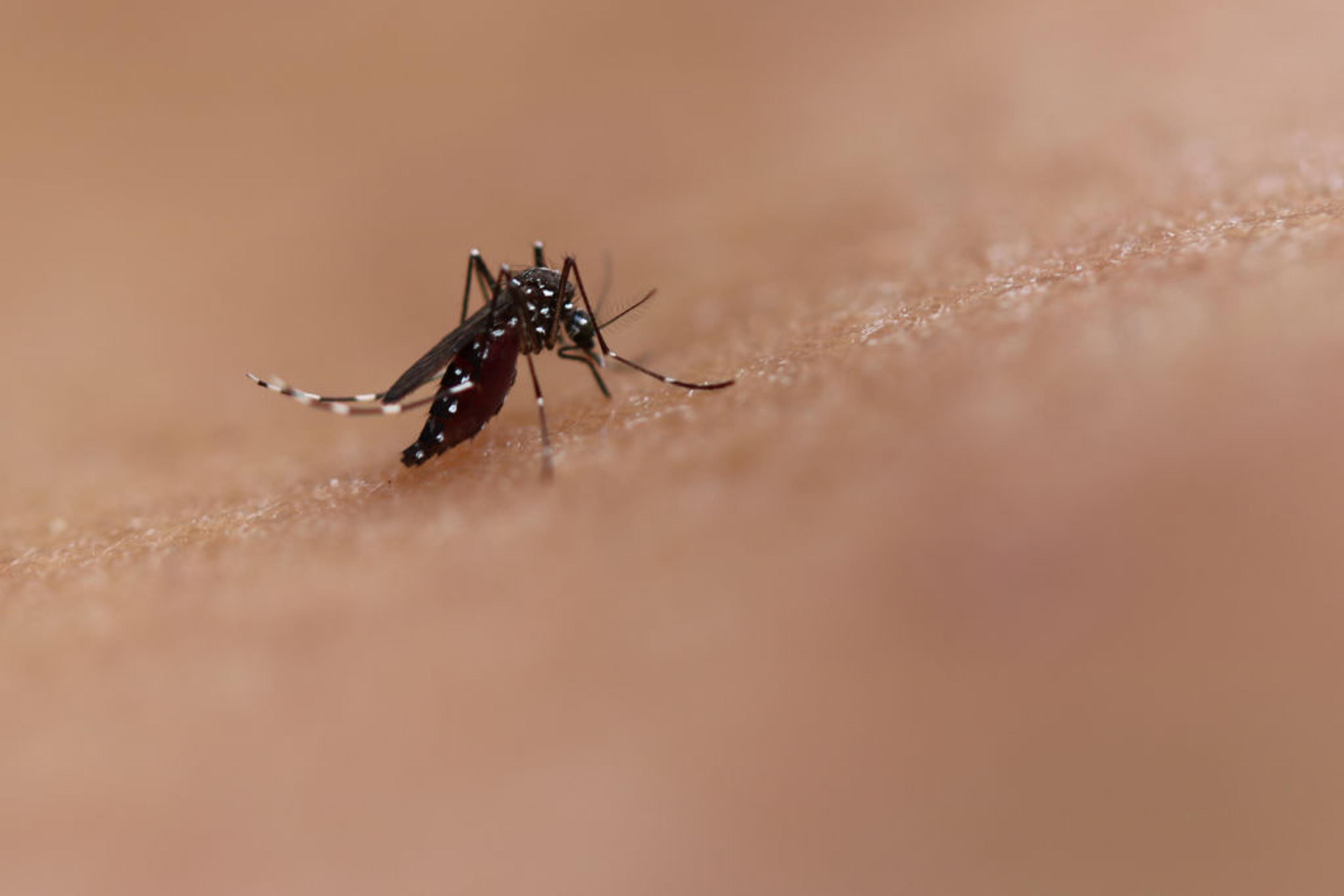
In July 2025, Guangdong Province in southern China experienced a rapid surge in Chikungunya fever (CHIKF) cases, with confirmed infections skyrocketing from 481 to 9,103 within weeks. The outbreak, initially linked to travel from Southeast Asia, highlighted the challenges of containing mosquito-borne diseases in densely populated regions. According to the Guangdong Provincial Chikungunya Surveillance Report, nearly all cases were concentrated in Foshan, with additional clusters in Guangzhou and Shenzhen. The virus, transmitted by Aedes mosquitoes, thrives in temperatures between 15–35°C, creating ideal conditions for its spread.
What Makes This Outbreak Unusual?
Unlike dengue fever, which has a long history in the region, CHIKF is a relatively new threat in mainland China. The 2025 outbreak marked the first large-scale domestic transmission, with 7 imported cases reported in Macao SAR, four of whom had recent travel to Foshan. While no fatalities were recorded, the virus’s signature symptom—severe, long-lasting joint pain—has left many patients with chronic disabilities. “This outbreak underscores the need for early warning systems,” says Dr. Chitin Hon, a researcher at Macau University of Science and Technology. “Without timely intervention, even mild cases can lead to long-term public health burdens.”
Public attention, as measured by the Baidu Index, mirrored the epidemic’s trajectory. In 2024, dengue fever saw a sharp spike in searches during its peak, but the 2025 CHIKF outbreak faced a different dynamic. “Media coverage and perceived severity played a bigger role in shaping public awareness,” explains Dr. Xiaoyan Deng of Guangzhou Medical University. “The novelty of CHIKF meant that initial responses were slower compared to dengue.”
How a Hybrid Model Predicted the Outbreak
To address the rapid spread, researchers developed a “hybrid transmission-time series framework” integrating mosquito ecology with real-time case data. The model, which accounted for temperature, vector density, and human mobility, predicted that daily new cases would drop below 10 by mid-November 2025. By December 11, the actual cumulative cases—25,337—fell within the model’s 95% confidence interval (17,333–47,118), achieving 80.3% accuracy.
“This approach isn’t just about forecasting—it’s about guiding action,” says Dr. Zifeng Yang of the China-Portugal Artificial Intelligence and Public Health Technologies Joint Laboratory. The model’s success demonstrates how AI can enhance traditional epidemiological methods, particularly for emerging diseases with limited historical data.
What’s Next for CHIKF Prevention?
Experts warn that without sustained efforts, similar outbreaks could become more frequent. The Guangdong government has since launched initiatives to reduce mosquito breeding sites, including community cleanups and targeted insecticide spraying. However, challenges remain. “Climate change is expanding the range of Aedes mosquitoes,” notes Dr. Di Wang of Macau University of Science and Technology. “We need to think beyond local measures—cross-border collaboration is critical.”
Vaccination is another key strategy. While the live-attenuated vaccine Ixchiq is available in some regions, its adoption in China is still limited. “Vaccines are a game-changer, but they must be paired with surveillance and public education,” says Dr. Yihui Huang of Guangzhou Eighth People’s Hospital. “Without trust in the system, even the best tools won’t work.”
Did You Know?
Chikungunya virus can survive in human blood for up to 10 days, making it highly transmissible during peak mosquito activity. Unlike dengue, which often affects children, CHIKF disproportionately impacts adults, particularly those with preexisting conditions.
Pro Tips for Residents in High-Risk Areas
- Eliminate standing water around homes to reduce mosquito breeding sites.
- Use insect repellent and wear long sleeves during dusk and dawn, when Aedes mosquitoes are most active.
- Stay informed through official health bulletins and report suspected cases promptly.
FAQ: Understanding the 2025 CHIKF Outbreak
What is Chikungunya fever?
Chikungunya fever is a mosquito-borne viral disease caused by the Chikungunya virus (CHIKV). Symptoms include high fever, severe joint pain, and rashes. While most patients recover within weeks, some experience prolonged joint pain lasting months or years.
Why did the outbreak happen in Guangdong?
Guangdong’s tropical climate, dense population, and proximity to Southeast Asia—where CHIKV is endemic—created ideal conditions for the virus to spread. The 2025 outbreak coincided with unusually warm temperatures, accelerating mosquito activity.
How accurate was the predictive model?
The hybrid model predicted a cumulative total of 30,340 cases, while official reports recorded 25,337 by December 2025. This 80.3% accuracy rate highlights the potential of AI-driven forecasting in public health.
Call to Action
Stay informed about emerging health threats and take proactive steps to protect your community. Share this article to raise awareness about the importance of early warning systems and global health cooperation. For more insights on infectious diseases, explore our recent coverage on dengue and Zika virus outbreaks.