
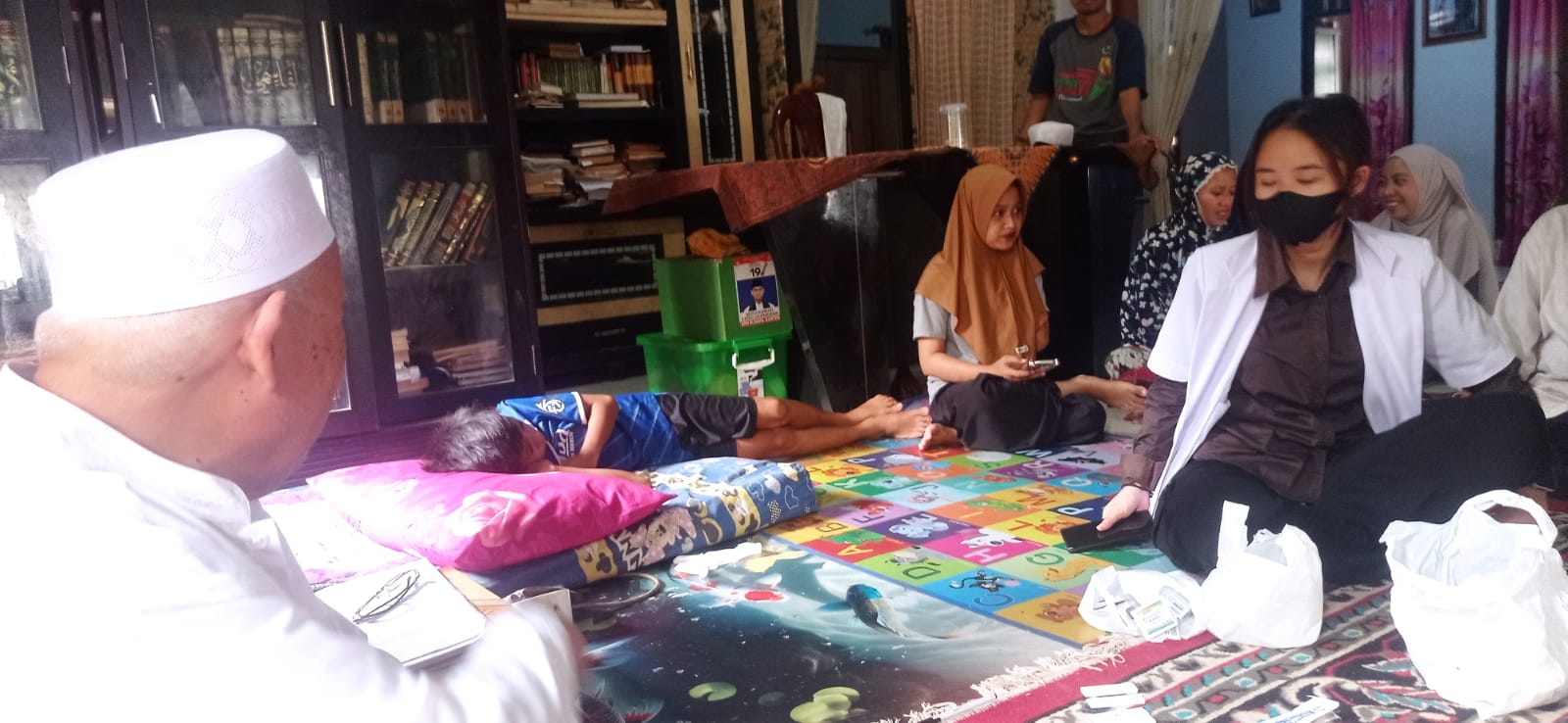
Chikungunya Outbreak Reported in Rangkasbitung, Lebak: Health Officials Urge Prevention
Health officials in Rangkasbitung, Lebak, Banten, have confirmed an outbreak of Chikungunya following the identification of a positive case in Desa Cimangeunteung. Dr. Nadia Natasha of the Rangkasbitung Public Health Center (Puskesmas) reported that 10-year-old Sopwan Damini tested positive for the virus via rapid test and was subsequently referred to a hospital for medical treatment.
Did You Know? The Chikungunya virus is transmitted to humans through the bites of infected mosquitoes, specifically Aedes aegypti, which typically resides indoors, or Aedes albopictus, often found in garden environments.
How the Virus Is Spreading
The outbreak has affected multiple residents in the area over the last two weeks. KH Hasan Basri, a local community leader, reported that he, his wife, his son-in-law, his grandchildren, and several students have all exhibited symptoms of the illness, including high fever and severe joint pain. According to Heri, a surveillance officer with the Lebak District Health Office, the virus is circulating due to the presence of Aedes aegypti larvae found in household bathrooms and discarded items on private properties.
Symptoms and Medical Guidance
Infected individuals typically experience a high fever ranging from 39 to 40 degrees Celsius, according to Dr. Nadia Natasha. Additional symptoms include severe joint pain (atralgia) affecting the knees and fingers, which can make walking difficult, as well as persistent headaches and general lethargy. Health officials advise residents experiencing these symptoms to seek immediate evaluation at a local health facility. Patients are encouraged to prioritize rest and maintain high fluid intake to prevent dehydration during the recovery process.
What Happens Next
To curb the spread of the virus, health authorities are initiating an epidemiological investigation and mobilizing a community-wide Pemberantasan Sarang Nyamuk (PSN) program. This initiative focuses on the “3M Plus” movement: draining water containers (Menguras), closing water storage (Menutup), and burying potential breeding grounds (Mengubur). By eliminating these larval habitats, officials aim to break the transmission chain. While current efforts are focused on the initial cluster, officials stated there is a possibility that the virus could continue to spread to other residents if environmental sanitation is not strictly maintained.

Frequently Asked Questions
What is the primary cause of the Chikungunya outbreak in Lebak?
The outbreak is caused by the Chikungunya virus, which is transmitted to humans through the bites of Aedes aegypti and Aedes albopictus mosquitoes.
What are the recommended steps to stop the spread of the virus?
Officials recommend the “3M Plus” program, which involves draining water containers, sealing water storage, and burying items that can collect stagnant water to kill mosquito larvae.
What symptoms should residents look for?
Common symptoms include high fever (39-40°C), severe joint pain in the knees and fingers, difficulty walking, headaches, and physical weakness.
How can members of your own community better identify and eliminate potential mosquito breeding grounds in your home?