
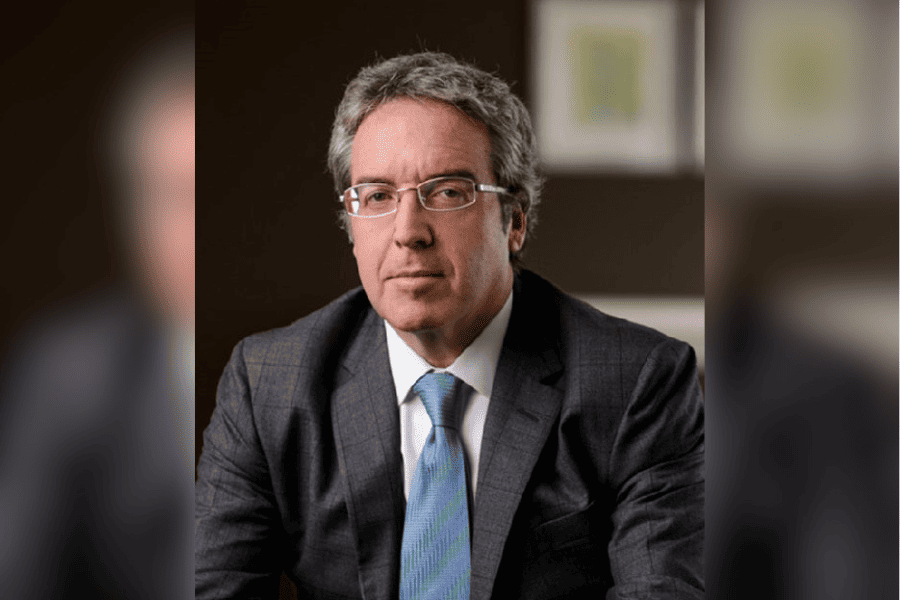
Chile Government Confirms Gabriel Zaliasnik as Israel Ambassador Despite Criminal Probe
The Chilean government confirmed Thursday that it will proceed with the appointment of Gabriel Zaliasnik as ambassador to Israel, despite the Valparaíso Regional Prosecutor’s Office initiating a criminal investigation against him. Foreign Minister Francisco Pérez Mackenna stated that the ongoing probe, which stems from communications between Zaliasnik and Luis Hermosilla, a central figure in the “Audios” case, will not alter the executive branch’s decision.
Did You Know? The allegations against Gabriel Zaliasnik include potential crimes of embezzlement of public funds, fraud against the Treasury, incompatible negotiation, influence peddling, and illegal interception of communications.
Context of the Investigation
The investigation follows a criminal complaint filed by Socialist Party (PS) Deputy Daniel Manouchehri. According to reports from the media outlet Reportea, the allegations include an explicit request to access state reserved funds to finance a private criminal defense. These events allegedly occurred while Zaliasnik served as a lawyer for then-Health Minister Jaime Mañalich and Hermosilla acted as an advisor to the Ministry of the Interior.

Additional allegations involve efforts to secure honorariums through former ENAP board president Loreto Silva, as well as claims of intervention in judicial appointments and requests for favorable court rulings. Furthermore, the complaint details alleged requests for illegal phone intercepts and surveillance of political opponents during the social unrest period.
Political Opposition and Implications
The decision to maintain the nomination has drawn sharp criticism from opposition lawmakers. Deputy Daniel Manouchehri argued that the appointment is institutionally unsustainable, stating that a nominee under criminal investigation should not represent Chile abroad. “Any government with a minimum institutional standard would have already understood that this is unsustainable,” Manouchehri said.
Communist Party (PC) Deputy Luis Cuello expressed concern that the appointment damages Chile’s international reputation. Cuello characterized the evidence against Zaliasnik as “quite serious,” citing the reported chats as evidence of political espionage and illicit use of reserved funds. While acknowledging that the Israeli government might not have moral objections to an ambassador under investigation, Cuello maintained that the executive’s support for the nomination does not reflect well on Chile.
Expert Insight: The Stakes of Diplomatic Appointments
Expert Insight: The controversy highlights the tension between executive discretion in diplomatic appointments and the demand for institutional integrity. When an ambassadorial nominee faces criminal scrutiny, the government must balance its political confidence in the individual against the potential for international diplomatic friction and domestic institutional erosion. The outcome of this case may set a precedent for how future administrations manage high-level appointments during active legal investigations.
What May Happen Next
The investigation by the Public Prosecutor’s Office will continue to determine if there is sufficient evidence to move forward with formal charges. If the investigation yields findings that implicate Zaliasnik in the alleged criminal activities, the government could face mounting pressure to reconsider the appointment. Conversely, if the probe clears the nominee of wrongdoing, the administration may argue that its initial decision was justified, though the political fallout from the current opposition outcry is likely to persist during his tenure.
Frequently Asked Questions
What is the primary reason for the investigation into Gabriel Zaliasnik?
The investigation by the Valparaíso Regional Prosecutor’s Office is based on conversations Zaliasnik held with Luis Hermosilla, the primary defendant in the “Audios” case, and allegations of various crimes including fraud and influence peddling.
How has the Chilean government responded to the investigation?
Foreign Minister Francisco Pérez Mackenna stated that the government remains respectful of the Public Ministry and the courts, but emphasized that the investigation does not change the executive’s decision to appoint Zaliasnik.
What specific actions are alleged in the complaint against the nominee?
The complaint includes allegations of requesting state reserved funds for private legal defense, intervening in judicial appointments, and conducting illegal surveillance of political opponents.
How do you believe the ongoing investigation will impact the diplomatic relationship between Chile and Israel?