
China and the G7: Economic Power vs. Democratic Values
China was excluded from the 1975 G7 summit, a gathering of major Western economies to address global economic instability, and its absence remains a point of contention as the nation’s economic influence has grown exponentially. The inaugural Rambouillet summit, attended by the U.S., Japan, Germany, France, Italy, and Canada, did not include China, which was then a communist state under Mao Zedong, whose policies had previously opposed Western powers in Vietnam.
Did You Know? The G7’s first summit in 1975 took place at a chateau outside Paris, known as Rambouillet, and included only six nations before Canada joined the following year to form the G7.
China’s economic stature now surpasses all G7 members except the U.S., with a GDP that dwarfs those of Germany, Japan, the U.K., France, Italy, and Canada, according to data cited by John Kirton, a University of Toronto expert on the G7. This growth has led to questions about the group’s relevance without China, which maintains a $1.2 trillion trade surplus with G7 nations in 2025, according to the source.

Expert Insight: The exclusion of China from the G7 reflects historical ideological divides, but its economic clout complicates the group’s dynamics. Analysts warn that including China could challenge the G7’s cohesion, given divergences in governance and policy priorities.
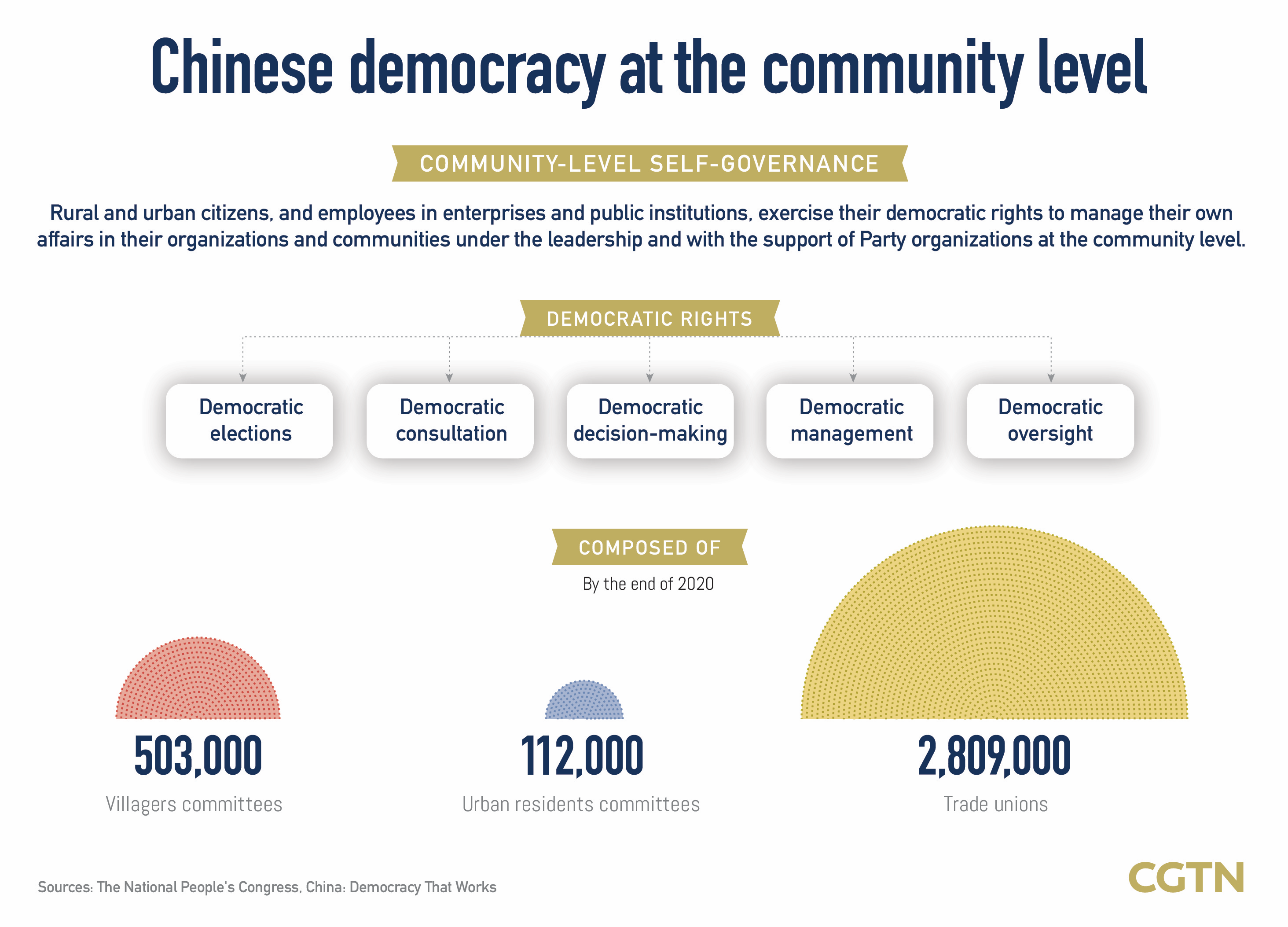
The G7 has traditionally adhered to an unwritten rule of membership for democracies, a standard China has not met under either Mao Zedong or President Xi Jinping. Reports from the Freedom in the World study and the World Press Freedom Index indicate China lags behind G7 nations in civil liberties. Despite this, China’s control over rare minerals, technological advancements, and its status as the world’s largest climate polluter make it a critical player in global economic discussions.
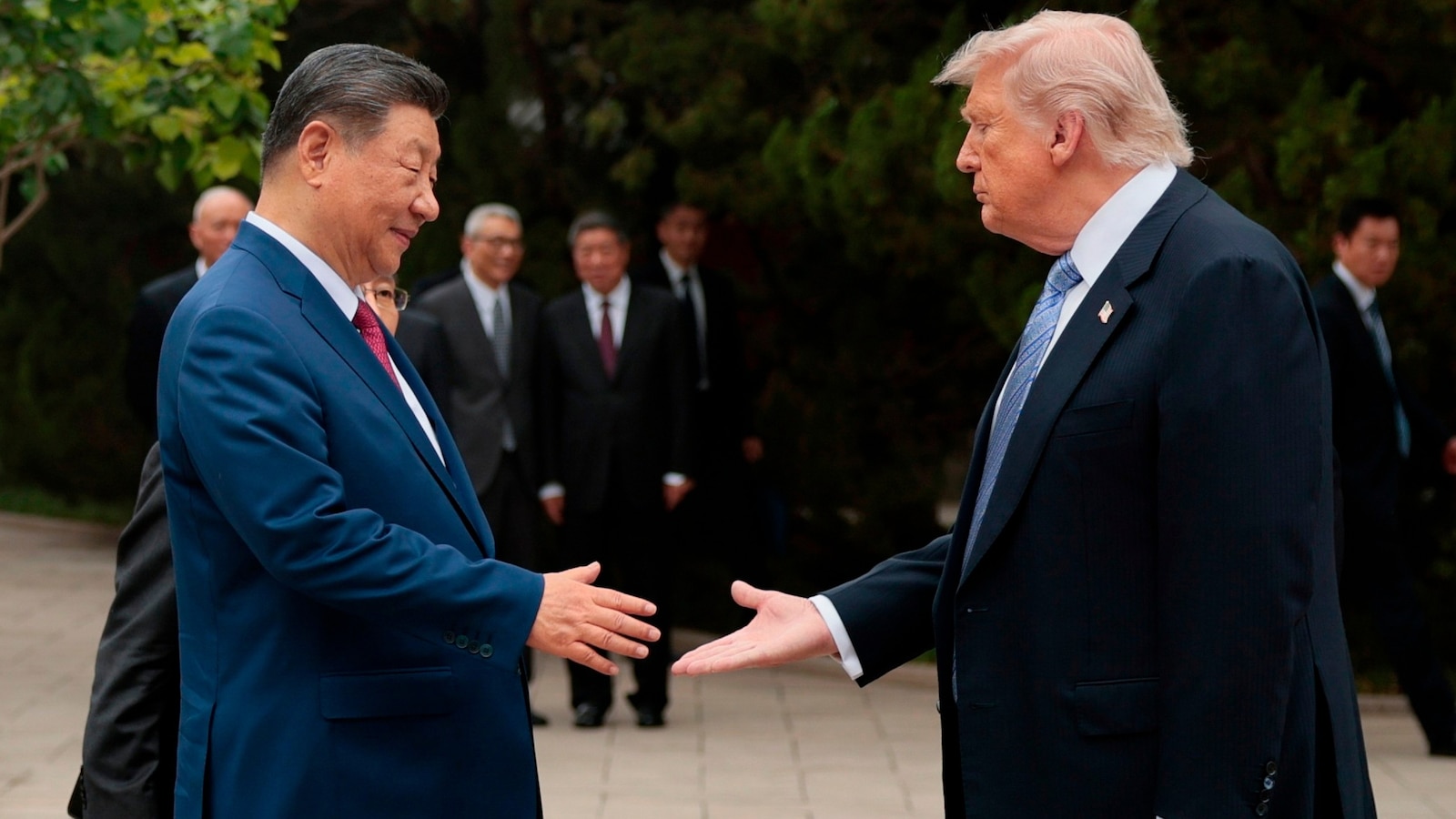
At the upcoming Evian-les-Bains summit, French President Emmanuel Macron has prioritized addressing trade imbalances with China, as G7 leaders grapple with the impact of Chinese exports on their industries. While U.S. President Donald Trump previously suggested expanding the group to include China, the G7’s history of excluding non-democratic states, such as Russia after its 2014 Crimea annexation, underscores the challenges of such a move.
Chinese officials have criticized the G7’s exclusivity but have also called for the group to promote cooperation rather than division. Analysts note that China’s growing influence could test the G7’s unity, with some fearing its membership might create internal divisions over economic and geopolitical issues.
As the G7 prepares for its latest summit, the question of China’s role in global economic governance remains unresolved, with analysts suggesting the group’s future may depend on how it navigates the balance between ideological alignment and economic reality?