

China appoints veteran banker Ding Xiangqun as financial regulator’s Communist Party chief
China’s Financial Shake-Up: Why Ding Xiangqun’s Appointment Matters
Beijing is signaling a new era for its massive $79 trillion financial sector. With the appointment of veteran banker Ding Xiangqun to lead the National Financial Regulatory Administration (NFRA), China is moving to consolidate oversight and restore stability to a market that has been rattled by high-profile disciplinary investigations.
Ding, a seasoned executive with deep roots at the Bank of China and the People’s Insurance Company (Group) of China (PICC), steps into a role that is arguably the most critical position in the country’s economic oversight apparatus. As the first woman from the financial sector to join the Central Committee, her ascent is more than just a personnel change—it is a clear statement of intent from the central government.
The “Cleanup” Strategy: What Investors Need to Know
The transition at the top of the NFRA is part of a broader, sweeping “financial-sector cleanup.” For years, the Chinese government has been tightening the leash on financial institutions to curb systemic risk and eliminate corruption. This move follows the removal of previous leadership amid suspected disciplinary violations, a trend that has sent ripples through both domestic and international markets.
Consolidating Control in a $79 Trillion Market
The strategy is simple but aggressive: replace institutional ambiguity with rigid, party-aligned oversight. By placing a trusted, experienced hand like Ding at the helm, Beijing aims to:
- Reduce Systemic Risk: Tighten the scrutiny on shadow banking and high-risk lending practices.
- Professionalize Governance: Shift the focus from profit-chasing to long-term national economic stability.
- Ensure Policy Alignment: Ensure that financial institutions act in lockstep with the state’s broader economic goals.
What Lies Ahead for Financial Regulation
Going forward, we expect to see a more “disciplined” financial environment. For multinational corporations and foreign investors, this means the regulatory landscape will likely become more predictable, albeit significantly more rigid. The “Wild West” days of rapid, unchecked credit expansion are effectively over.
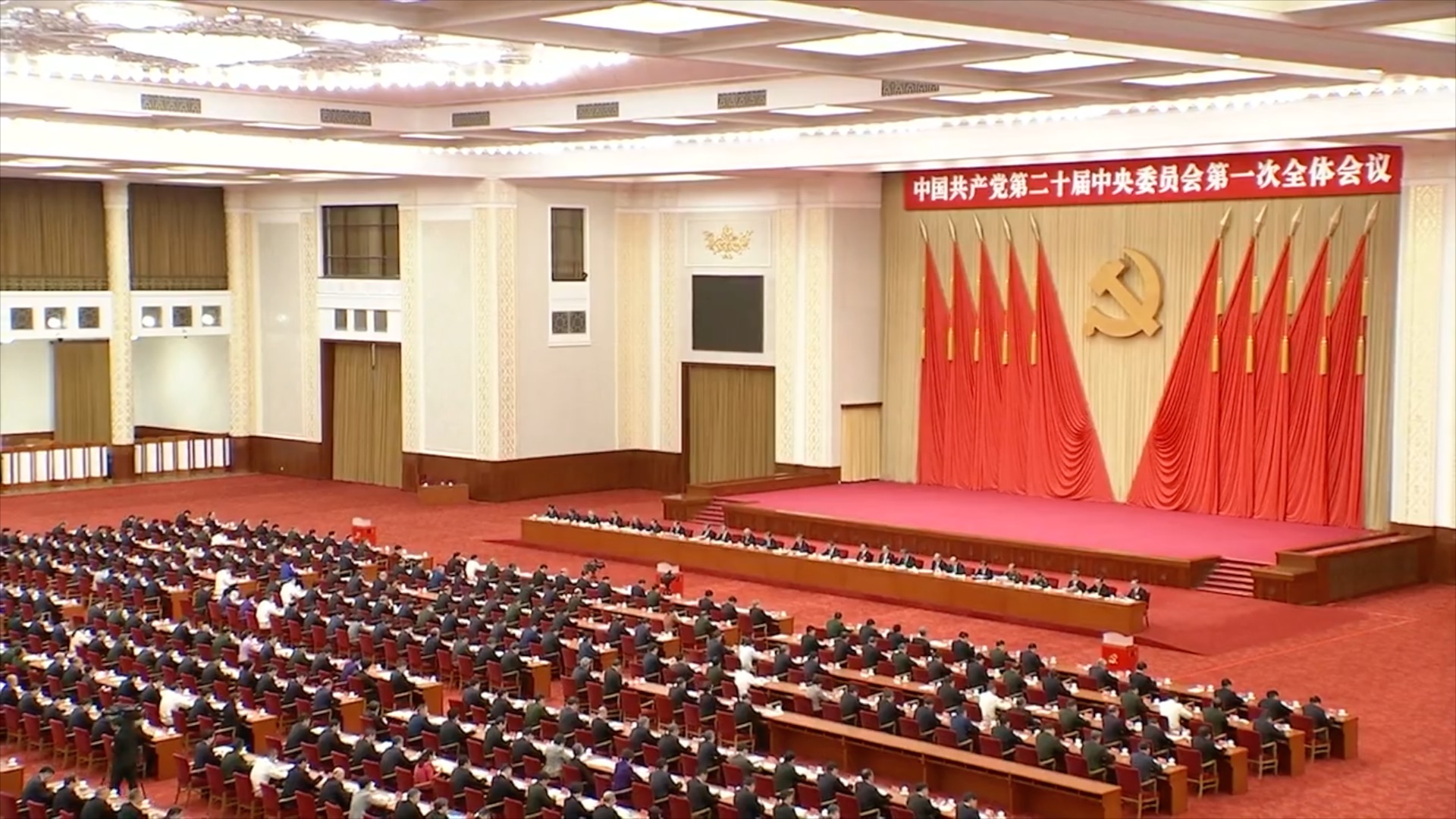
The appointment of Ding also highlights a shift toward selecting leaders with technical expertise who have spent decades navigating the complexities of state-owned enterprises. Her background at the Bank of China and China Taiping suggests that future policies will likely emphasize internal audit, risk management, and strict adherence to regulatory compliance.
Frequently Asked Questions
- What is the NFRA’s primary role in China?
- The NFRA is the central regulatory body responsible for overseeing the vast majority of China’s financial system, including banks, insurance companies, and trust firms.
- Why is Ding Xiangqun’s appointment significant?
- Beyond her extensive banking background, she is the first woman from the financial sector to join the Communist Party’s Central Committee, signaling a shift in both leadership demographics and the priority placed on professionalizing financial oversight.
- How does this affect international investors?
- Investors should expect a more stable, albeit more heavily regulated, environment. Compliance requirements are likely to increase as the state continues its crackdown on financial corruption.
What are your thoughts on China’s current regulatory direction? Do you believe these changes will create a more stable market or hinder growth? Subscribe to our newsletter for weekly deep dives into global economic trends or join the conversation in the comments section below.