

China Bans New Zealand Lawmakers Following Taiwan Visit
Diplomatic Friction: The Cost of Crossing the “Red Line”
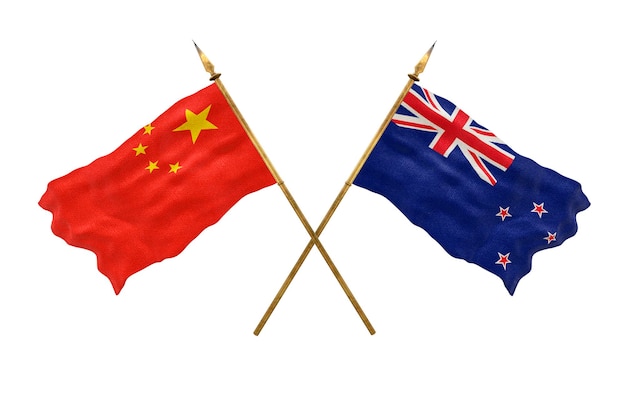
In the delicate dance of international diplomacy, few issues are as sensitive as the Taiwan question. Recently, the landscape of New Zealand-China relations shifted when Beijing imposed entry bans on four New Zealand lawmakers following their unauthorized visit to the Taiwan region. This move serves as a stark reminder that in the eyes of the Chinese government, sovereignty is not a matter of debate, but a non-negotiable “red line.”
This incident is not an isolated event but rather a symptom of a broader trend: the increasing scrutiny of parliamentary diplomacy. As global powers compete for influence, the actions of individual legislators are no longer viewed as personal choices, but as state-level signals that carry tangible consequences.
The Escalation of “Legislative Diplomacy”
Historically, informal visits by lawmakers were seen as low-stakes political engagement. However, the current geopolitical climate has transformed these trips into flashpoints. By visiting Taiwan, these lawmakers have inadvertently challenged the “One-China” principle—a cornerstone of international relations that most nations, including New Zealand, formally recognize.

Why Sovereignty Disputes are Reshaping Global Trade
The ripple effects of these diplomatic spats extend far beyond political rhetoric. When trade partners clash over territorial integrity, the fallout often manifests in economic policies. We have seen similar patterns in recent years where diplomatic tensions led to:
- Increased customs inspections and technical trade barriers.
- Shifts in supply chain sourcing to mitigate political risk.
- A decline in bilateral cultural and educational exchange programmes.
For businesses operating in the Asia-Pacific region, this creates a complex environment. Navigating “geopolitical risk” is no longer just for diplomats; it is now a core requirement for multinational corporate strategy.
The Future of Cross-Strait Relations
As we look toward the future, the trend of “punitive diplomacy” is likely to continue. Beijing’s move to ban lawmakers sends a clear message: there is a price to be paid for actions that challenge its core interests. For Western nations, this creates a difficult balancing act: maintaining democratic values and parliamentary freedom while managing essential economic relationships with the world’s second-largest economy.
Frequently Asked Questions (FAQ)
What is the One-China principle?
It is the position that there is only one sovereign state under the name China, and Taiwan is an inalienable part of its territory.
Why did China impose an entry ban on the lawmakers?
China views visits by foreign officials to Taiwan as an interference in its internal affairs and a violation of the One-China principle, which it considers the bedrock of its international relations.
Can these diplomatic tensions be resolved?
Diplomatic disputes are typically resolved through high-level dialogue and a return to established bilateral protocols. However, as long as sovereignty remains a core issue, these tensions are likely to persist.
What is your take on the role of lawmakers in international diplomacy? Should individual politicians have the autonomy to visit sensitive regions, or does it undermine national foreign policy? Join the conversation in the comments section below, or subscribe to our newsletter for deep dives into global geopolitical trends.