
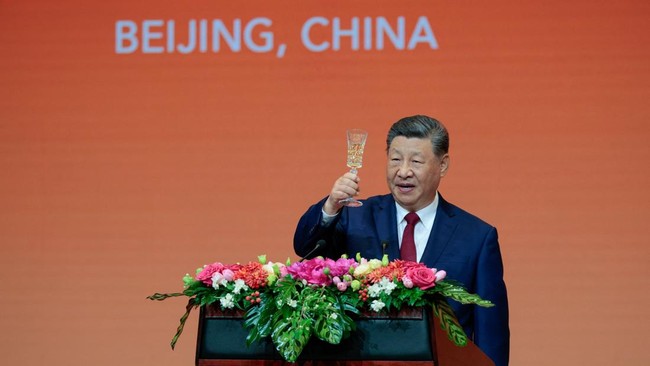
China Restricts Critical Mineral Exports to Japan Amid Remilitarization Concerns
China has implemented strategic export restrictions on critical minerals and dual-use commodities destined for Japan. Beijing is utilizing these trade measures as a tool of diplomatic pressure, urging the United States’ key ally to reverse policies that China characterizes as a path toward remilitarization.
Strategic Controls on Dual-Use Technology
The Chinese Ministry of Commerce began tightening controls on goods with potential military applications in January. These regulations prohibit the transfer of dual-use items to Japanese military end-users.
According to reports, these restrictions were further intensified twice during February. While a comprehensive list of affected goods has not been fully publicized, the sanctions specifically target rare earth elements and other critical minerals essential for high-tech manufacturing.
China’s Foreign Ministry spokesperson, Mao Ning, stated that the measures are based on laws and regulations to stop “remilitarization and nuclear ambitions” in Japan.
The Geopolitical Catalyst
The tension escalated following a November speech by Japanese Prime Minister Sanae Takaichi, who linked Japan’s security directly to the status of Taiwan. Takaichi asserted that a Chinese blockade of the island would threaten Japan’s survival, potentially allowing the deployment of the Self-Defense Forces to assist U.S. Response forces.
In response, Beijing has accused Tokyo of attempting to return to the militarism associated with the Imperial Japanese era of the 1930s and 1940s.
Analysts Gracelin Baskaran and Meredith Schwartz from the centre for Strategic and International Studies note that the use of rare earth restrictions demonstrates how economic management has become a central element of coercion and deterrence.
Defense Spending and Diplomatic Friction
Japan has been expanding its military role to balance China’s power, with defense spending on track to reach 2 percent of its GDP. In April, the Takaichi cabinet also loosened decades-old restrictions to allow the sale of lethal weapons to partner nations.

This buildup was a primary point of contention during a recent meeting in Beijing between Chinese President Xi Jinping and U.S. President Donald Trump. President Xi reportedly criticized Japan’s increased defense spending, leading President Trump to hold a follow-up phone call with Tokyo to reaffirm the steadfast alliance between Washington and Tokyo.
Despite the pressure, Chief Cabinet Secretary Minoru Kihara has maintained that Japan’s defense capabilities are minimal and intended solely for protection, asserting that the nation remains peace-oriented.
Supply Chain Vulnerabilities
The impact of these restrictions is significant because Japan relies heavily on China for specific heavy rare earth elements. Reuters data indicates that in February, there were no exports of gallium—a key semiconductor material—or heavy rare earths such as terbium and dysprosium, with only minimal shipments of yttrium oxide recorded.
This is not the first instance of such economic leverage. a similar informal embargo occurred in 2010 following a dispute involving the Japanese Coast Guard near the Senkaku Islands.
Current Diplomatic Efforts
Attempts to resolve the dispute are ongoing. Japanese Trade Minister Ryosei Akazawa recently visited Suzhou for APEC trade meetings, where he held a brief meeting with Chinese Trade Minister Wang Wentao.
Simultaneously, Japan is strengthening other regional ties. Prime Minister Takaichi is scheduled to meet with Philippine President Ferdinand Marcos Jr. This Thursday to discuss energy and defense security amid ongoing tensions with China and global oil shocks caused by the war in Iran.
Potential Future Developments
The situation may evolve as Japan continues to seek alternative mineral sources to reduce its dependency on Chinese supplies. Diplomatic relations could either stabilize through further APEC-related dialogues or face further strain if Japan continues to expand its defense exports and military budget.
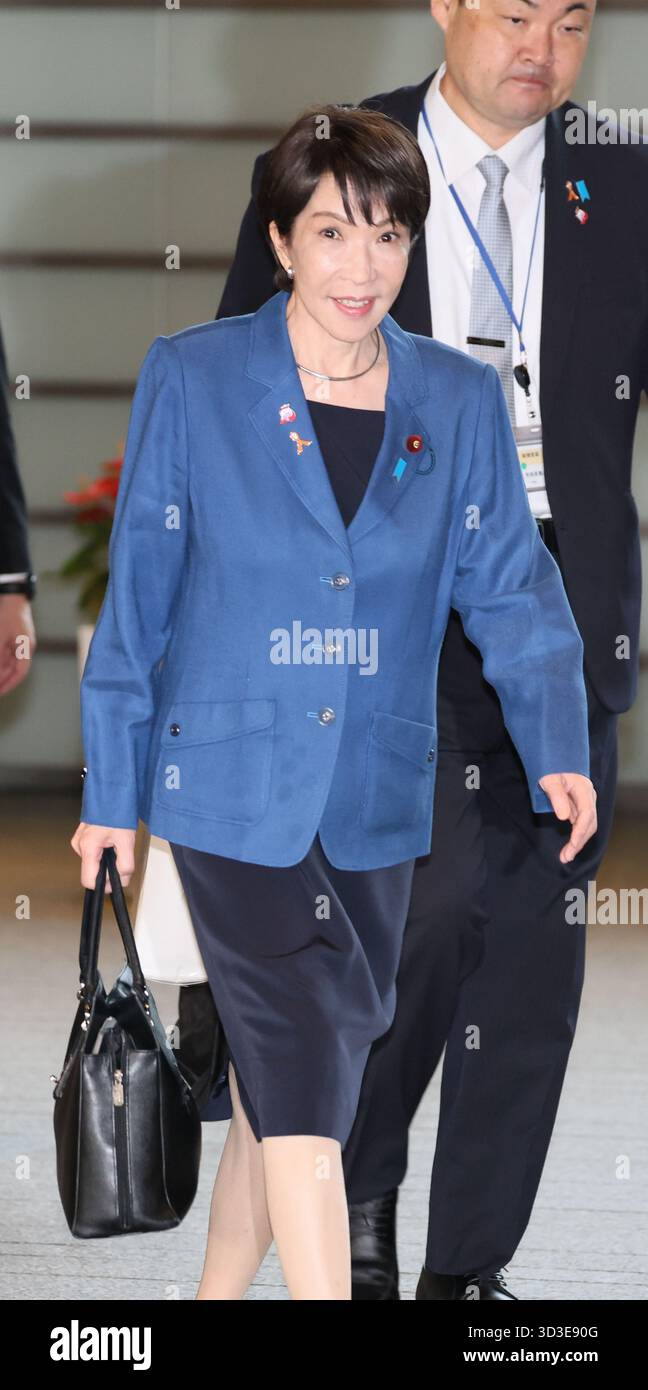
the outcome of the meeting between Prime Minister Takaichi and President Marcos Jr. May signal a tighter security alignment among U.S. Allies in the region, which could potentially trigger additional economic responses from Beijing.
Frequently Asked Questions
What specific minerals are affected by China’s export restrictions?
The restrictions include rare earth elements and critical minerals. Specifically, data shows a lack of exports for gallium, terbium, and dysprosium in February, with very few shipments of yttrium oxide.
Why did China impose these restrictions on Japan?
Beijing claims the measures are intended to stop Japan’s “remilitarization and nuclear ambitions,” particularly following Prime Minister Sanae Takaichi’s statements linking Japan’s security to Taiwan.
How does China’s market share affect this conflict?
China controls nearly the entire global supply chain for rare earths, producing over 90 percent of the world’s rare earth magnets, which are vital for electric vehicles, wind turbines, and precision-guided missiles.
Do you believe economic interdependence acts as a deterrent to conflict, or does it provide too much leverage for political coercion?