

China’s Tech Tourism: Exploring AI, Robotics, and EV Factories
The Rise of the ‘Silicon Safari’: Why Tech Tourism is the New Global Travel Trend
For decades, travelers flocked to China for the Great Wall or the neon lights of Shanghai. But a new kind of pilgrimage is emerging. Today, the most coveted itineraries don’t feature ancient temples, but rather the humming floors of gigafactories and the sterile labs of AI startups.
This is “Tech Tourism.” It is a shift from passive sightseeing to active industrial exploration. Visitors are no longer content with reading about the “AI revolution” in a whitepaper; they want to ride in a driverless taxi through Beijing or witness the choreography of a thousand robotic arms assembling an EV in Shenzhen.
As China continues to lead in the deployment of autonomous systems and green energy, these industrial hubs are becoming the new cultural landmarks of the 21st century.
Beyond the Assembly Line: The Evolution of EV Factory Tours
The modern Electric Vehicle (EV) factory is no longer just a place of production; it is a cathedral of efficiency. Companies like BYD and NIO are redefining the “factory tour” by blending corporate transparency with high-tech spectacle.
Future trends suggest these tours will move toward “immersive transparency.” We are seeing a shift toward augmented reality (AR) overlays where visitors can see the real-time energy flow of a plant or the digital twin of a vehicle being built in front of them.
This isn’t just about marketing. For B2B travelers and investors, these visits provide critical intelligence on supply chain integration. Seeing how a battery is integrated into a chassis in under a few minutes offers insights that no PDF report can convey.
The ‘Shenzhen Effect’ on Hardware Innovation
Shenzhen has evolved from the “world’s factory” to the world’s hardware incubator. Tech tourists are now seeking “ecosystem tours”—trips that take them from raw component markets to high-end prototyping labs in a single afternoon.
The trend is moving toward “Co-Creation Tourism,” where visitors don’t just watch, but participate in rapid prototyping workshops, bridging the gap between foreign conceptual design and Chinese manufacturing speed.
Robotaxis and the Gamification of Urban Transit
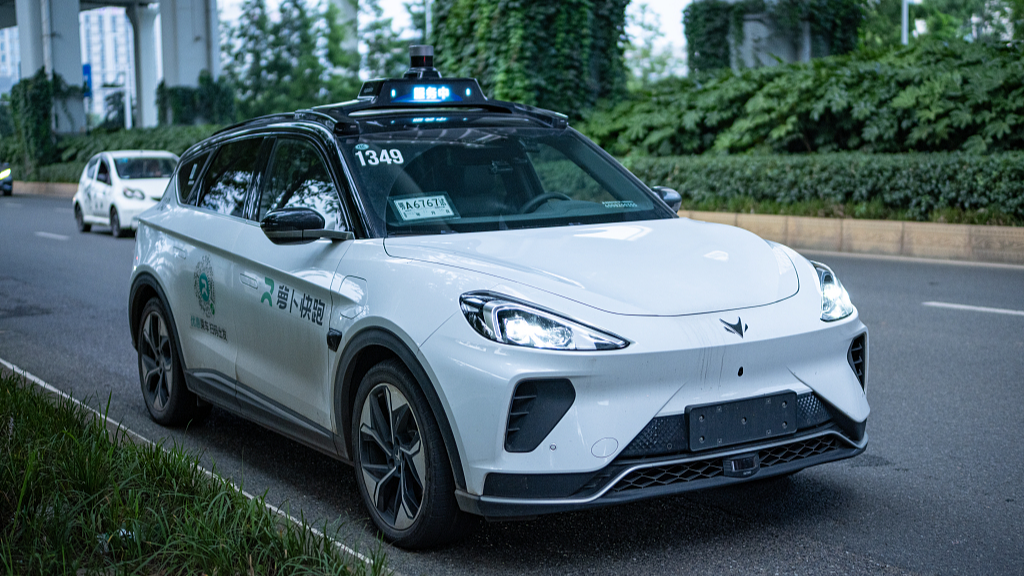
The experience of a curated robotaxi ride is the “crown jewel” of current tech tourism. It transforms a simple commute into a futuristic event. However, the future of this trend lies in the integration of AI-driven storytelling.
Imagine a robotaxi that doesn’t just drive you to a destination but acts as an AI tour guide, analysing the city’s architecture and history in real-time, adjusting the route based on the passenger’s specific professional interests—whether that’s urban planning, AI ethics, or semiconductor logistics.
This convergence of autonomous mobility and personalized AI is turning the city itself into a curated museum of innovation.
The Future: AI-Curated Industrial Itineraries
As we look ahead, we can expect “Tech Tourism” to become a formalized sector of the travel industry. We will likely see the emergence of “Innovation Passports”—digital credentials that grant access to restricted R&D labs and exclusive AI demos.
We are also seeing a rise in “Reverse Brain-Drain Tourism,” where Western engineers and entrepreneurs visit Chinese AI hubs not to compete, but to learn how to implement scale. The focus is shifting from what is being built to how it is being scaled so rapidly.
expect to see “Sustainable Tech Circuits,” where tours focus specifically on the circular economy, showing how EV batteries are recycled and how smart grids manage city-wide energy consumption.
Key Trends to Watch
- B2B Leisure: The blending of corporate scouting trips with luxury tourism.
- AI-Guided Navigation: The use of LLMs to create hyper-personalized industrial itineraries.
- Hardware Bootcamps: Short-term residency programs for international designers in Shenzhen.
- Virtual Twin Tours: VR experiences that allow people to “visit” factories remotely before booking a physical trip.
For more insights on how automation is changing global travel, check out our guide on the future of automation in hospitality.
Frequently Asked Questions
What exactly is tech tourism?
Tech tourism is a niche travel trend where visitors travel to specific hubs to experience cutting-edge technology, such as visiting AI labs, EV factories, or using autonomous transport systems.
Why is China becoming a hub for this?
China’s rapid adoption of AI, its dominance in the EV market, and the sheer scale of its manufacturing ecosystems in cities like Shenzhen and Shanghai make it a primary destination for those wanting to see the future of tech in action.
Is tech tourism only for professionals?
No. While it attracts investors and engineers, it is increasingly becoming a leisure activity for “futurists” and curious travelers who want to experience the next generation of urban living.
How do I access these tours?
Many companies now offer curated corporate tours, while specialized travel agencies are beginning to offer “innovation packages” that include robotaxi credits and factory access.
Join the Conversation
Would you trade a trip to a historic landmark for a tour of a futuristic AI lab? Or do you think the “Silicon Safari” is just corporate marketing? Let us know your thoughts in the comments below!
Subscribe to our newsletter for more deep dives into the intersection of technology and culture.