

Chinese ambassador: Beijing pulls Iran away from extremism after China-US summit
The New Era of ‘Competitive Coexistence’: Where US-China Relations Are Heading
For years, the prevailing narrative in global politics has been one of inevitable collision. Strategists have pointed to the “Thucydides Trap”—the idea that when a rising power threatens to displace an existing hegemon, war is the only outcome. However, recent diplomatic signals suggest a shift toward something more pragmatic: competitive coexistence.
The goal is no longer total victory or complete submission, but rather “strategic stability.” In this framework, the world’s two largest economies acknowledge that while they will compete fiercely in technology, trade, and ideology, they must maintain a floor of cooperation to prevent global economic collapse.
We are seeing a transition from a “zero-sum game” to a “managed rivalry.” So that while tariffs may persist and intelligence spats will occur, both superpowers are increasingly aware that their national ambitions—whether it’s the “Make America Great Again” vision or China’s global infrastructure goals—can theoretically operate in parallel without triggering a hot war.
China’s Diplomatic Pivot: From Trade Partner to Middle East Broker
Perhaps the most significant trend is Beijing’s evolving role in the Middle East. For decades, China was content to be the “silent buyer”—purchasing vast quantities of oil and building infrastructure without getting entangled in the region’s bloody political disputes.
That era is over. China is now stepping into the role of a diplomatic mediator. By urging Iran to moderate its rhetoric and avoid “extremist” slogans, Beijing is signaling that it values regional stability over ideological solidarity with Tehran.
This shift is driven by economic necessity. As Iran’s largest oil customer, China cannot afford a full-scale regional war that disrupts energy flows. By leveraging its economic ties, Beijing is attempting to position itself as the “rational actor” capable of talking to all sides—including Israel and the US—when Western diplomacy hits a wall.
For more on how this affects global markets, check out our analysis on global energy security trends.
The Strait of Hormuz: The World’s Most Dangerous Chokepoint
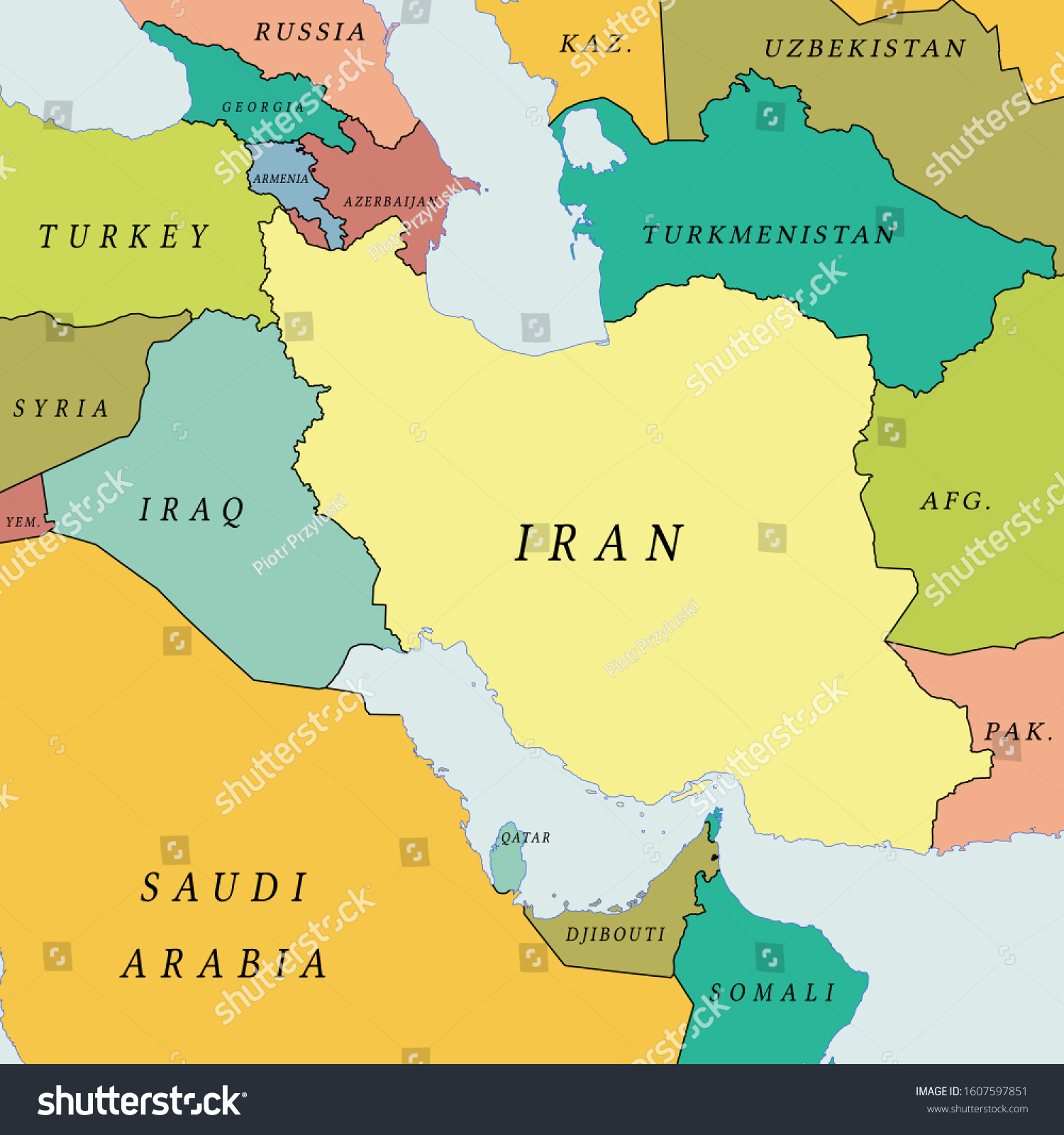
The Strait of Hormuz remains the ultimate geopolitical pressure point. With a significant portion of the world’s petroleum passing through this narrow waterway, any disruption is an immediate threat to global GDP.
The emerging trend here is a “hybrid security” model. While the US provides the primary military deterrent to keep the strait open, China is providing the diplomatic “off-ramp” for Iran. If the US and China can coordinate—even tacitly—on keeping the shipping lanes open, the world avoids a catastrophic energy price spike.
The Nuclear Tightrope: Balancing Energy and Weaponry
The future of the Iran nuclear issue will likely be defined by a delicate distinction: the right to civilian nuclear energy versus the ambition for nuclear weaponry. China’s current stance—supporting the Nuclear Non-Proliferation Treaty (NPT) while defending Iran’s legal right to peaceful energy—creates a nuanced middle ground.
Expect to see more “quiet diplomacy” where Beijing pressures Tehran behind closed doors to avoid the “nuclear threshold” in exchange for continued economic support. This allows the US to maintain a “hard line” of sanctions while China provides the necessary incentives for Iran to remain within the bounds of international law.
This “good cop, bad cop” dynamic between Washington and Beijing, though unintentional, may be the only way to prevent a nuclear arms race in the Middle East.
Future Outlook: A Multipolar Balance of Power
As we look ahead, the global order is moving away from a single-leader system toward a multipolar reality. The “Pacific is big enough for both,” as the rhetoric suggests, but only if both powers accept a world where neither has absolute control.

The key indicators to watch in the coming years will be:
- Trade Decoupling vs. De-risking: Whether the US and China continue to separate their economies or move toward a “selective cooperation” model.
- The Iran-Israel Proxy War: Whether Chinese mediation can actually curb extremist rhetoric or if it remains merely performative.
- Technological Sovereignty: How the race for AI and semiconductors is managed to avoid a “digital iron curtain.”
For a deeper dive into international law and treaties, visit the United Nations official portal.
Frequently Asked Questions
Yes, but This proves primarily economic. As Iran’s largest oil buyer, China holds significant leverage, though this is balanced against Iran’s desire for strategic autonomy.
It is a political theory suggesting that when a rising power threatens to displace a ruling power, the resulting tension often leads to war.
It is the world’s most critical oil transit chokepoint. Any closure or disruption would cause immediate, massive spikes in global energy prices and disrupt international trade.
Join the Conversation
Do you believe a “competitive coexistence” between the US and China is sustainable, or is conflict inevitable? We want to hear your insights.
Leave a comment below or subscribe to our newsletter for weekly geopolitical deep-dives!