

Chinese Man Goes Viral as Budget NVIDIA CEO Jensen Huang Lookalike
Yang Yang, a rural youth from the city of Dandong in China’s Liaoning Province, has rapidly ascended to social media stardom by impersonating NVIDIA CEO Jensen Huang. In just two weeks, his humorous portrayals of the artificial intelligence leader have garnered millions of views and attracted tens of thousands of followers.
A Low-Budget Transformation
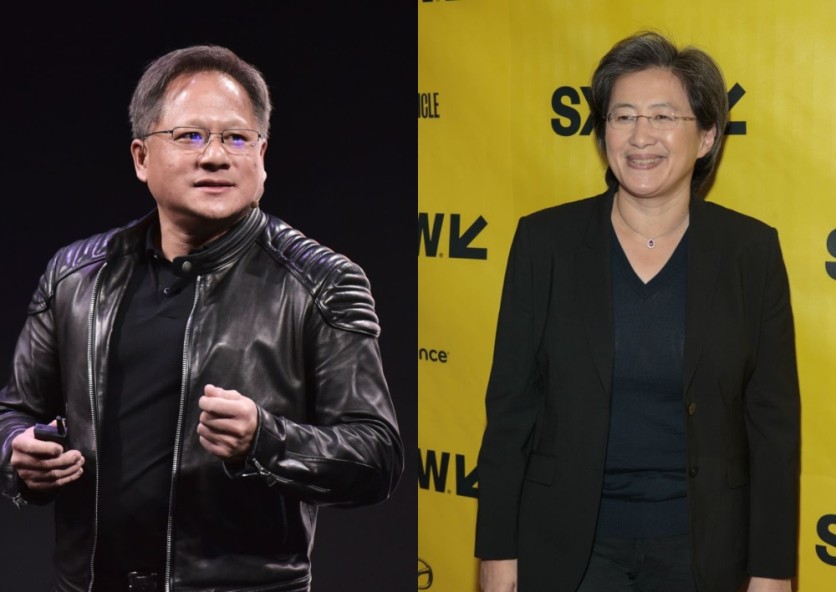
The viral success of Yang’s content stems from a striking resemblance to the NVIDIA executive, which he enhances using unconventional and affordable materials. To achieve the signature grey hair of the “AI emperor,” Yang utilizes a combination of wheat flour and hairspray.
The physical costume was assembled with minimal investment, totaling less than $25. This included spending 100 yuan (approximately $15) on the iconic leather jacket frequently worn by Huang, and an additional 10 yuan for a pair of similar glasses.
Significance of the Viral Trend
The rapid growth of Yang’s following highlights the intersection of rural life and the global fascination with the AI boom. By blending high-tech corporate imagery with a low-cost, rural execution, the content has resonated widely across digital platforms.
Potential Future Trajectories
Given the current trajectory of his viewership, Yang may see a continued increase in his follower base as his videos reach wider audiences. His persona could evolve into a more permanent digital brand, provided the public’s interest in AI figures remains high.
Frequently Asked Questions
Who is Yang Yang?
Yang Yang is a rural youth residing in a village within the city of Dandong, Liaoning Province, who gained fame for imitating NVIDIA CEO Jensen Huang.
How much did the costume cost to create?
The total cost did not exceed $25, which included 100 yuan (about $15) for a leather jacket and 10 yuan for glasses.
What did he use to change his hair colour?
He used wheat flour and hairspray to turn his hair grey to better resemble the NVIDIA CEO.
Do you think low-budget parodies are more effective at capturing attention than high-production content?