
Climate Change Could Expand Global Risk of Chikungunya Virus
Rising global temperatures are poised to reshape the map of infectious diseases, with new research indicating that the habitat of mosquitoes capable of carrying the chikungunya virus is expanding. As climate patterns shift, regions previously considered too cold for these vectors may soon find themselves at the center of a growing public health challenge.
A study published in the journal Frontiers in Cellular and Infection Microbiology identifies 139 countries and territories as being at risk for chikungunya. These areas currently account for 21.3% of the world’s landmass, but climate models suggest that the virus could push further into northern temperate zones, specifically impacting northeastern North America, central Europe, and East Asia.
The Climate-Vector Connection
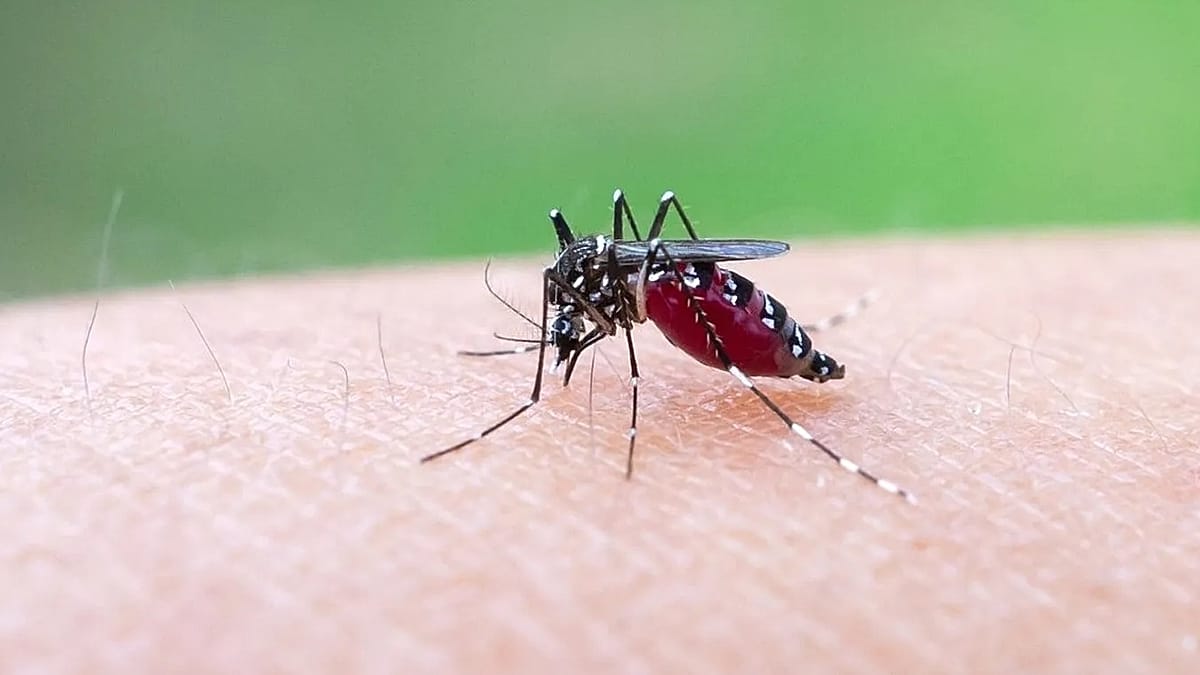
Chikungunya is primarily transmitted by the Aedes aegypti mosquito, which thrives in tropical human environments. However, climate change and increased human mobility are altering the distribution of these disease-carrying insects and the viral strains they transmit.
Researchers note that during the 2005–2006 outbreak in the Indian Ocean, the virus underwent a mutation that enhanced its ability to adapt to the Asian tiger mosquito. Because this species is more cold-tolerant than Aedes aegypti, warming trends may allow it to establish populations in regions that were previously inhospitable.
Implications for Global Health
Currently, local transmission of the virus has been reported in 114 countries, placing over three-quarters of the global population at potential risk. While the virus is not endemic to Europe or North America today—with cases largely limited to travelers—the environmental conditions required for transmission are expected to change significantly by 2100.

Based on 16 climate scenarios from the Intergovernmental Panel on Climate Change (IPCC), researchers predict that northern central Europe, northeastern North America, and East Asia may emerge as future hotspots. With a mortality rate estimated at 1.3 per 1,000 cases, the long-term impact on global health is substantial, accounting for approximately 284,000 lost years of healthy life annually due to disability or premature death.
Preparing for a Changing Landscape
In 2025, health authorities recorded 502,264 cases of chikungunya and 186 deaths across 41 countries and territories. To mitigate future outbreaks, experts recommend that nations prioritize the monitoring of mosquito populations and ensure medical staff are trained in clinical diagnosis.
Countries including the United Kingdom, Germany, the United States, China, and Japan are advised to bolster their public health infrastructure and response plans before 2040. By strengthening vector control programmes and enhancing early detection, health systems may be better equipped to manage the evolving risks posed by a warming planet.
Frequently Asked Questions
What is the primary way climate change affects chikungunya transmission?
Rising temperatures allow cold-tolerant mosquito species, such as the Asian tiger mosquito, to establish themselves in regions that were previously too cold, while also accelerating the development of the virus within the mosquitoes themselves.

Which regions are identified as potential future hotspots?
Scientific models consistently point toward northern central Europe, northeastern North America, and East Asia as areas that may face increased risks as climate conditions shift by 2100.
What steps are recommended to prepare for this health threat?
Researchers advocate for the proactive tracking of mosquito populations, training healthcare workers in rapid clinical identification of the disease, and developing robust response plans before outbreaks occur.
How might your local community adapt its current public health strategy to address the changing geographic range of mosquito-borne illnesses?