
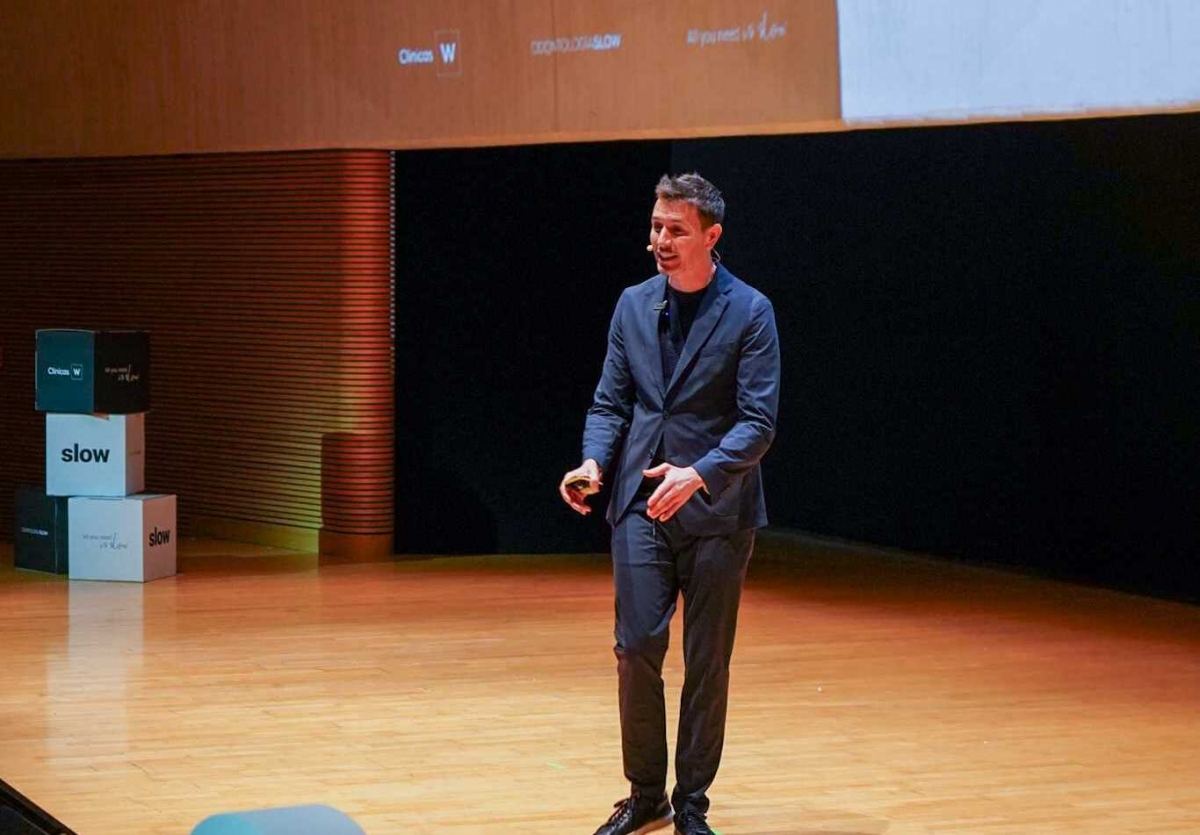
Clínicas W Celebrates 10 Years of Slow Dentistry with AI Innovation and Expansion Plans
Clínicas W, a network of independent dental practices founded on the “Slow Dentistry” model, marked its 10th anniversary at a two-day annual meeting held at the Palau de les Arts Reina Sofía in Valencia. During the event, CEO Dr. Primitivo Roig announced a new phase of national expansion and the introduction of proprietary artificial intelligence tools, aimed at integrating technological efficiency with patient-centered care.
Expansion and the Slow Dentistry Model
The network currently operates within a broader Spanish dental market that consists of over 23,000 registered clinics, 43,000 dentists, and 77,000 employees. According to Dr. Roig, 94% of these centers are independent, while 6% are large corporations. Clínicas W characterizes itself as a hybrid: a large organization that retains the branding and professional independence of individual practices.

The company is now seeking new leaders to act as regional representatives for the Slow Dentistry model. In exchange for joining the network, practices receive territorial exclusivity and access to a documented management framework. Dr. Roig noted that the goal is to shift the role of the clinic from being managed to being directed through a structured, three-phase architectural process.
Did You Know? The dental sector in Spain is comprised of more than 23,000 registered clinics, with the vast majority—94%—operating as independent practices rather than large corporate chains.
Technological Integration and WIA
A central feature of the anniversary event was the launch of WIA, the network’s proprietary artificial intelligence platform. The system is designed to assist professionals by unifying treatment planning, generating automatic reports, and creating visit schedules that calculate treatment sequences with real-time production forecasts.
In addition to WIA, the network introduced the “Directores W” app, a management control panel for clinic leaders, and the “Plan W Kids” program, a physical board game designed to promote children’s oral health. Dr. Roig emphasized that these tools are intended to liberate staff from administrative tasks, allowing them to focus on the human elements of the patient relationship that algorithms cannot replicate.
Expert Insight: The integration of AI into clinical workflows represents a strategic effort to balance operational efficiency with the “human-first” philosophy of the Slow Dentistry model. By automating diagnostic planning and reporting, the network aims to preserve the time necessary for practitioners to build trust with patients, which remains the core differentiator in a competitive market.
Recognition and Future Outlook
The meeting concluded by honoring the first group of clinics to reach five years within the network. Recognition was given to Clínica Dental Plasencia Calvillo, Clínica Dental Daniel Abad, Clínica Dental Luciana López, and Clínica Dental Miguel Noguer. Guest speaker Emilio Duró addressed the audience, reinforcing the company’s foundational principle that in an era of rapid technological change, the ultimate competitive advantage remains the passion and presence of the individual professional.

Frequently Asked Questions
What is the primary focus of the Slow Dentistry model?
The model focuses on balancing technological and management protocols with humanization, specifically prioritizing patient relationships and trust over simply increasing the speed of procedures.
How does the WIA platform assist dental professionals?
WIA is an artificial intelligence system that provides a unified diagnostic and treatment planning framework, automatically generates reports, and proposes full treatment sequences with real-time scheduling and production estimates.
What criteria does Clínicas W use for its expansion?
The network is looking for leaders who wish to serve as regional references for the Slow Dentistry model. Participating clinics are provided with territory exclusivity and access to the network’s management architecture.
How do you believe the use of artificial intelligence in healthcare impacts the quality of the patient-provider relationship?