
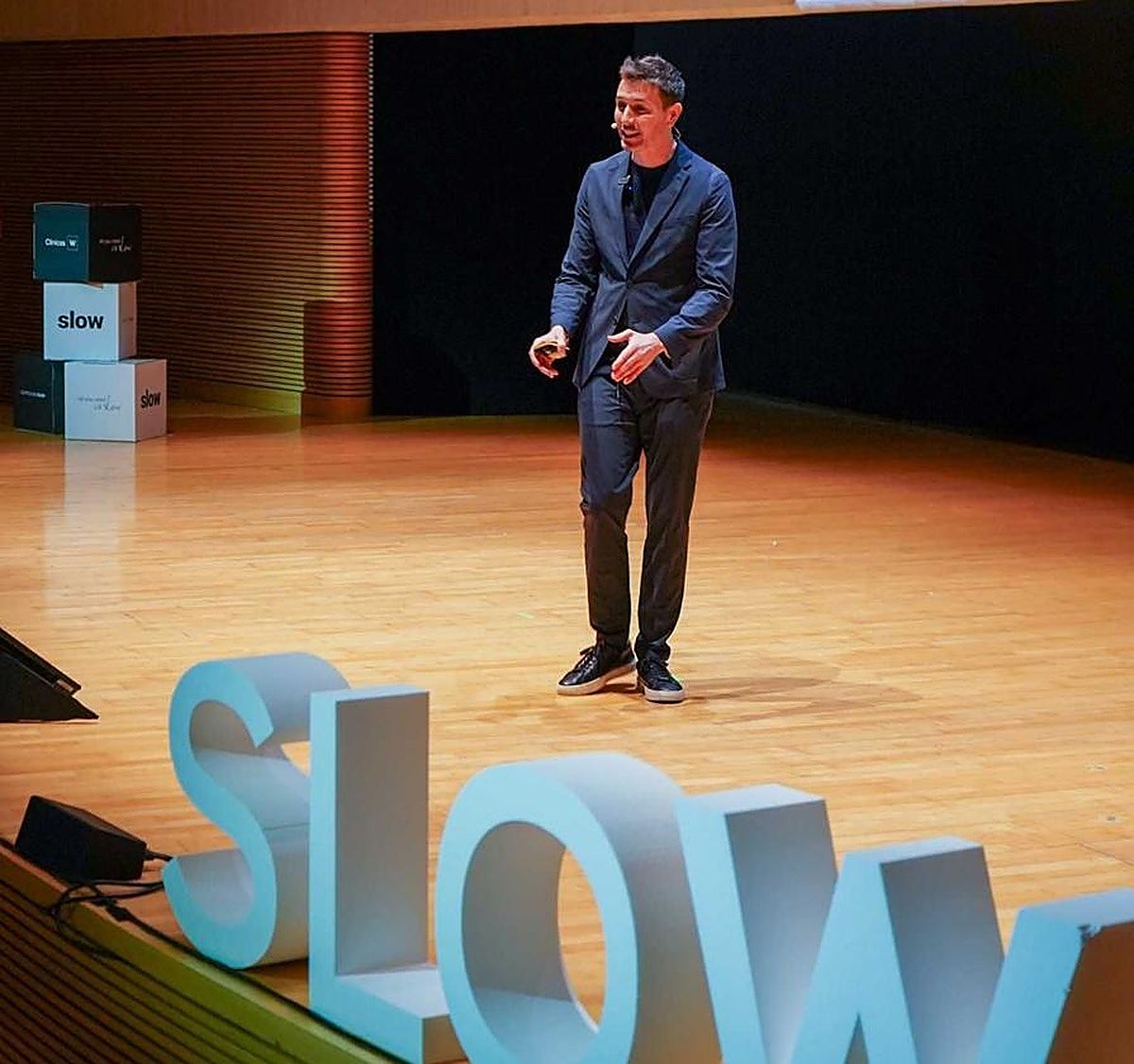
Clínicas W: The Success of the Slow Dentistry Model in Spain
Clínicas W, a network of over 45 dental practices across Spain, marked its 10th anniversary this week by convening more than 300 directors and staff at the Palau de les Arts Reina Sofía in Valencia. Founded by Primitivo Roig, the organization aims to bridge the gap between traditional, personalized patient care and the standardized efficiency of large-scale medical operations.
The Paradox of Patient Preferences
The operational model of Clínicas W is built on addressing a specific conflict in consumer behavior. According to data presented by CEO Primitivo Roig during the anniversary event, 78% of patients express a preference for independent, traditional dental practices, while 76% simultaneously show increasing trust in organizations that utilize standardized processes and consistent service experiences.
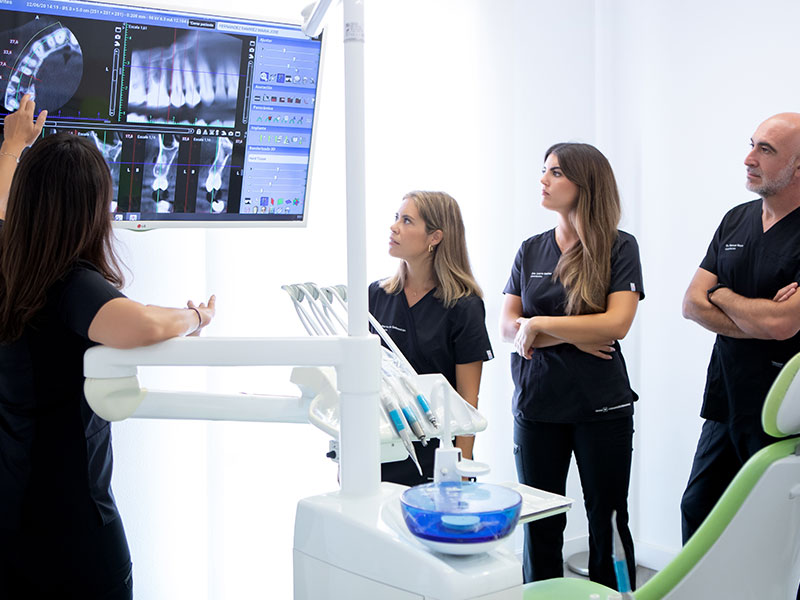
Roig argues that patients do not need to choose between these two worlds. By integrating independent centers under a common management and excellence framework, the network attempts to maintain the “dentist of trust” relationship while leveraging modern, consistent protocols.
Primitivo Roig’s management philosophy is rooted in his childhood experience at his father’s dental clinic, where patient appointments were meticulously recorded by hand in large, gold-embossed ledger books.
The “Slow Dentistry” Philosophy
A core component of the network’s strategy is “Odontología Slow,” a philosophy systematized by Roig a decade ago. Contrary to the assumption that “slow” implies a lack of speed, Roig defines it as the avoidance of working in a rushed or haphazard manner. He asserts that perceived haste in healthcare can often be “negligence disguised.”
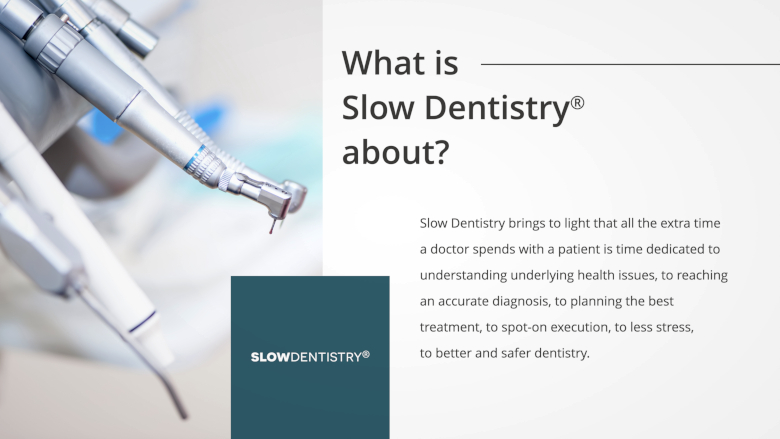
The model focuses on structural efficiency to achieve high-quality results in less time. Roig uses his own surgical experience to illustrate this: “You need slow pulses to go fast in a surgery.” The guiding principle for the network remains providing the highest quality at the lowest cost and in the shortest time possible.
The integration of proprietary artificial intelligence, such as the WIA system, highlights a growing trend in private healthcare to use technology as a tool for administrative and diagnostic support rather than a replacement for professional judgment. The emphasis on the “human touch” in the face of machine-driven diagnostics suggests that the competitive edge for independent practices may increasingly rely on the personal, emotional connection between provider and patient.
Technological Integration and Future Outlook
During the 10th-anniversary meeting, the organization introduced several new tools, including the WIA artificial intelligence platform for diagnosis and planning, a new mobile app for clinic directors, and the “Plan W Kids” initiative. These tools are designed to automate protocols, allowing practitioners to dedicate more time to direct patient care.
Looking ahead, the network may continue to expand its reliance on these proprietary systems. However, the organization maintains that the primary differentiator remains the individual practitioner. As guest speaker Emilio Duró noted at the event, while machines can outperform humans in many technical tasks, they cannot replicate the passion or sincerity of a human provider.
Frequently Asked Questions
What is the “Odontología Slow” model?
It is a philosophy that prioritizes structured, calm, and deliberate work. It is based on the premise that being “slow” in one’s approach is actually the most efficient way to achieve high-quality results quickly.

How does Clínicas W differentiate itself from large dental chains?
The network maintains that its practices are independent, with visible directors who provide personal attention to their patients, avoiding the frequent turnover of professionals often found in large, standardized chains.
What is the role of artificial intelligence in these clinics?
According to Primitivo Roig, AI is used to support diagnostics and planning, thereby freeing up the dental professional to focus on the human aspects of care that algorithms cannot replicate.
How do you balance the need for modern efficiency with the desire for a personalized, traditional patient-doctor relationship?