
Cockroaches have been quietly keeping Earth’s ecosystems running for 300 million years |
While most people view the cockroach as a household nuisance, ecologists recognize the insect as a critical, 300-million-year-old component of global nutrient cycles and a blueprint for future robotic technology. According to research published in Ecology and Evolution, cockroaches serve as essential decomposers that facilitate nitrogen cycling, while biomechanical studies in Cyborg and Bionic Systems highlight their potential for search-and-rescue robotics. Of the 4,500 known species, only about 30 are considered pests, meaning the vast majority of these insects perform vital, underappreciated ecological functions.
How cockroaches sustain healthy ecosystems
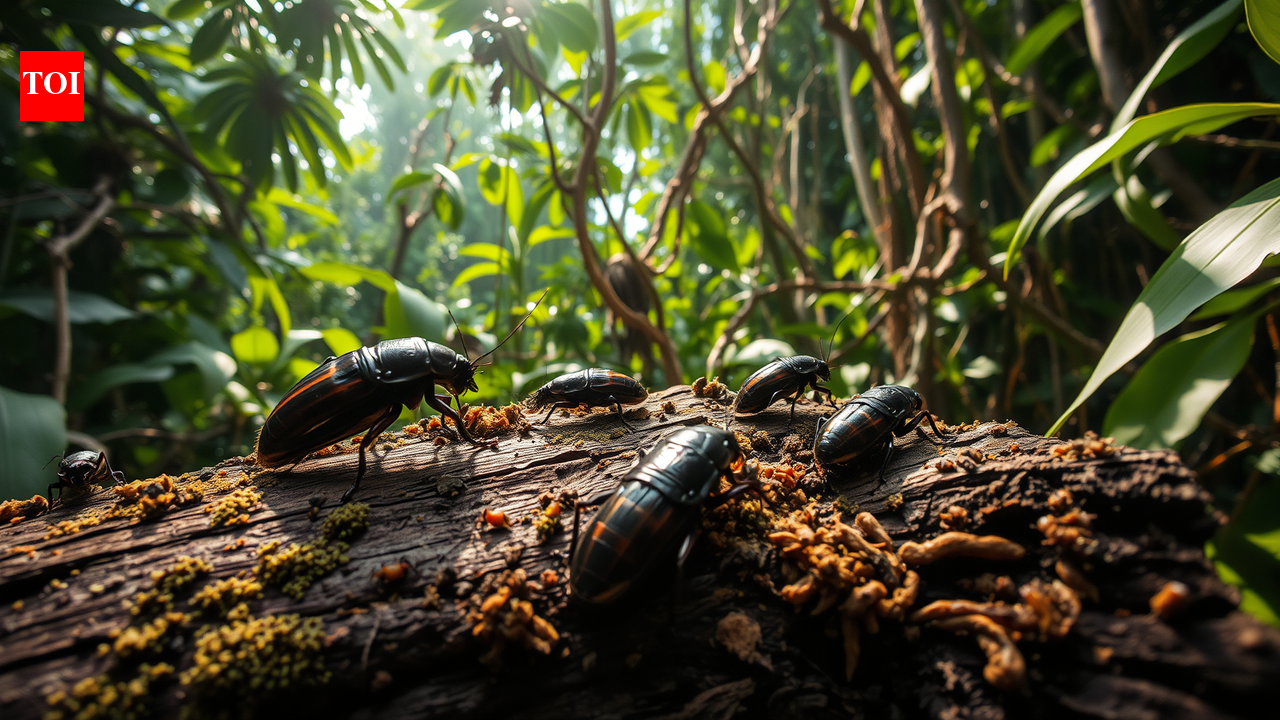
Cockroaches function as primary detritivores, breaking down leaf litter, rotting wood, and animal waste. By consuming this material, they accelerate the decomposition process, releasing vital nutrients like nitrogen, phosphorus, and potassium back into the soil. Research published in Ecology and Evolution confirms that these invertebrates directly influence microbial decomposition rates, particularly in nitrogen-limited tropical rainforests. Without this mechanical fragmentation, organic matter would accumulate on the forest floor, stalling the nutrient cycle required for plant growth. Their role in these environments is functionally analogous to the role earthworms play in temperate soil ecosystems.
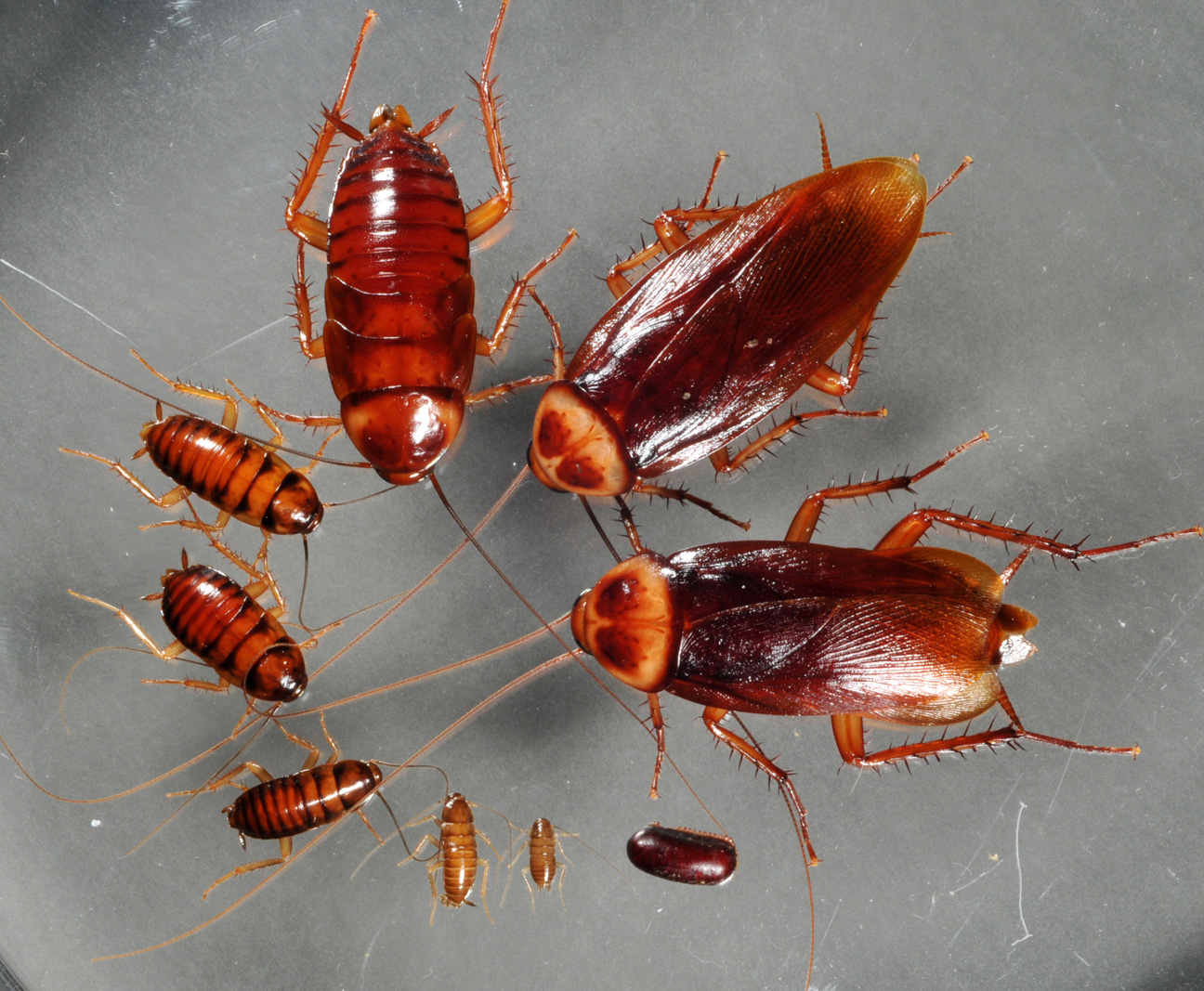
Every cockroach hosts an ancient bacterial endosymbiont called Blattabacterium. According to genome sequencing published in PNAS, this relationship allows the insect to recycle urea waste into essential amino acids, enabling the cockroach to thrive on nutrient-poor diets.
Why the ‘pest’ label threatens biodiversity
The global reputation of the cockroach as a universal pest is largely based on the behavior of less than 1% of known species, such as the German and American cockroach. Experts warn that broad-spectrum pesticide use, aimed at these urban opportunists, often results in the unintended destruction of wild, beneficial species. According to studies indexed in ScienceDirect, cockroaches are indispensable prey for a wide variety of insectivores, including birds, reptiles, and parasitic wasps. When these populations are indiscriminately suppressed, the loss of this protein source causes ripples throughout the food web, leading to food shortages for larger predators.
How bio-robots are changing search-and-rescue
Engineers are increasingly looking to the cockroach for inspiration in designing robots that can navigate complex, confined spaces. A study in Cyborg and Bionic Systems detailed the development of “bio-robots”—live cockroaches equipped with electronic backpacks carrying sensors and micro-cameras. These insects demonstrated superior flexibility and endurance compared to artificial crawling robots. By using machine learning to stimulate the insects’ natural movement patterns, researchers are developing systems capable of traversing collapsed buildings after natural disasters, a task that remains difficult for purely mechanical robots to execute.
Comparison: Biological vs. Mechanical Locomotion

| Feature | Cockroach Bio-Robot | Artificial Robot |
|---|---|---|
| Terrain Navigation | High (evolutionary adaptation) | Moderate (programming dependent) |
| Flexibility | Superior (squeezes through gaps) | Limited by mechanical joints |
When dealing with household pests, use targeted baiting rather than wide-area fogging or spraying. This minimizes chemical exposure to the environment and prevents the secondary killing of beneficial insects that control other pest populations.
Frequently Asked Questions
- Are all cockroaches dangerous to humans? No. Only about 30 of the 4,500 known species interact with human spaces and pose hygiene risks. Most species live in forests and grasslands.
- What happens if we eliminate all cockroaches? Removing them would disrupt global food webs, as they are a primary food source for many birds and reptiles, and would slow the decomposition of organic matter in tropical forests.
- Why are scientists using cockroaches for robots? Their ability to move at high speeds, right themselves when flipped, and squeeze through tight spaces is difficult to replicate with traditional engineering.
Have you encountered wild cockroaches in your local ecosystem? Share your observations in the comments below or subscribe to our weekly biology newsletter for more insights into the hidden roles of common insects.