

Cold Front Ends Record Winter Warmth Across Eastern Australia
Sydney recorded its longest stretch of June days above 20C in 170 years, according to Weatherzone. This record-breaking warmth occurred alongside temperatures averaging two to three degrees above normal in Melbourne, Sydney, Canberra, Adelaide, and Hobart throughout the month.
Why are Australian winters becoming more volatile?
The contrast between record-breaking warmth and sudden cold snaps suggests an increase in seasonal volatility. While southeastern cities started the winter with unusual heat, a cold front is currently moving across eastern Australia. This system brings rain, wind, and a sharp drop in temperatures below 20C.
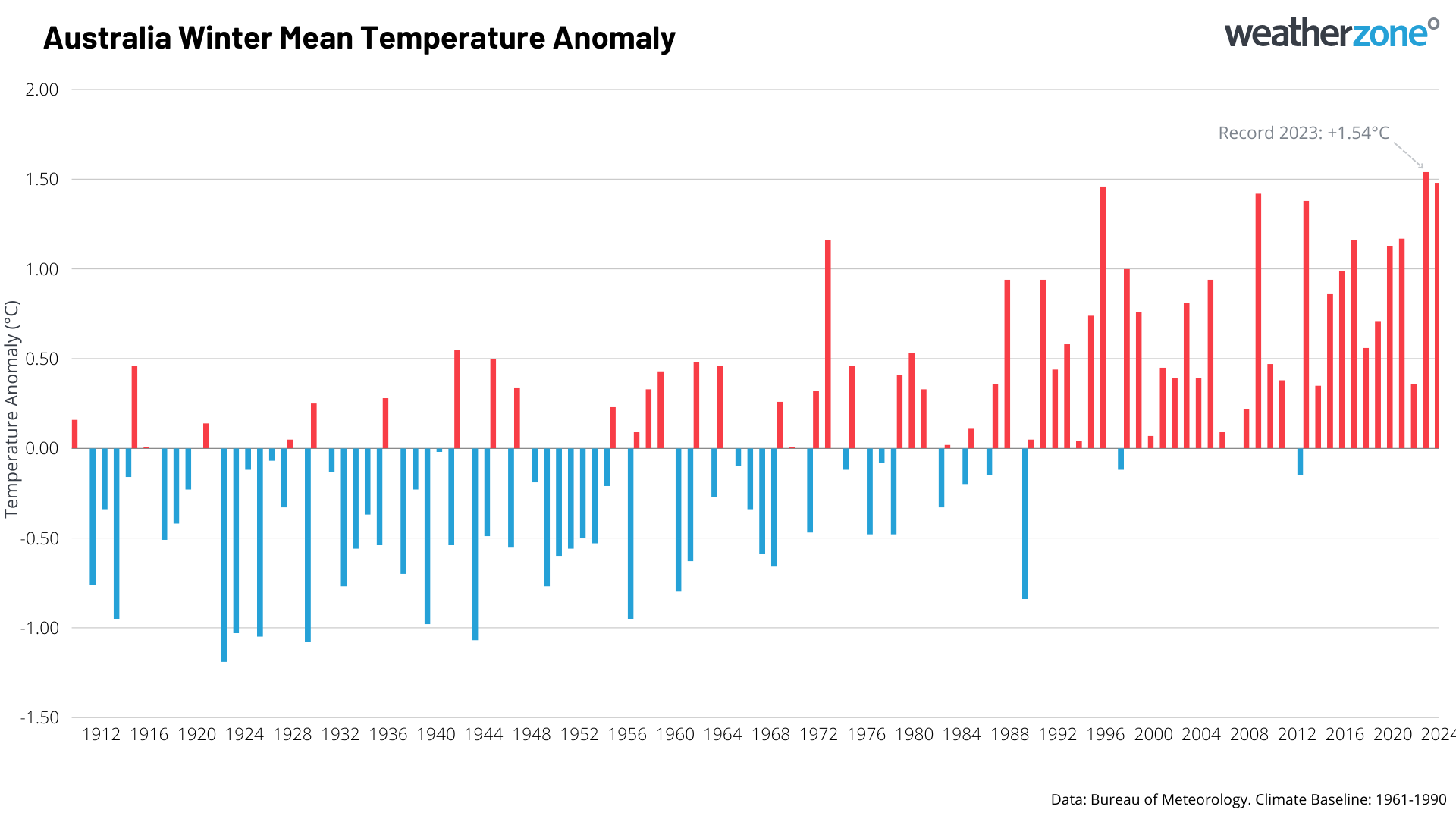
According to the Bureau of Meteorology, this shift results in stark temperature differences across the continent. While Darwin remains sunny at 32C, southern capitals like Melbourne and Canberra are dropping to 14C. This swing illustrates the instability of current winter patterns where prolonged warmth is interrupted by aggressive cold fronts.
How is rainfall shifting in South Australia?
Rainfall patterns are showing extreme concentration in specific regions. Adelaide experienced a notably wet start to the season, with rain falling on 16 out of the first 20 days of June, according to meteorologist Aline Ribeiro.
Ribeiro noted that the most intense period occurred in the 24 hours leading up to 9 a.m. on Tuesday, June 16, when the South Australian capital received 21.8mm of rain. While Weatherzone states such wet starts aren’t entirely unusual, the frequency of rain days indicates a trend toward more persistent precipitation events rather than sporadic showers.
Comparing Regional Winter Forecasts
Current data from the Bureau of Meteorology shows a fragmented weather map across the country:
- Queensland: Rain forecast for central and eastern areas, with Brisbane hitting 24C.
- New South Wales: Mostly cool and dry, with Sydney topping 21C.
- Victoria & ACT: Cloudy conditions limiting Canberra and Melbourne to 14C.
- Tasmania: Showers along southern and western coasts; Hobart reaching 12C.
- Western Australia: Cold, foggy mornings in Perth with a high of 18C.
What happens next for eastern Australia?
The immediate trend involves a struggle between lingering warmth and incoming polar air. The Bureau of Meteorology warned that showers could persist along the east coast and southeastern regions through Sunday.
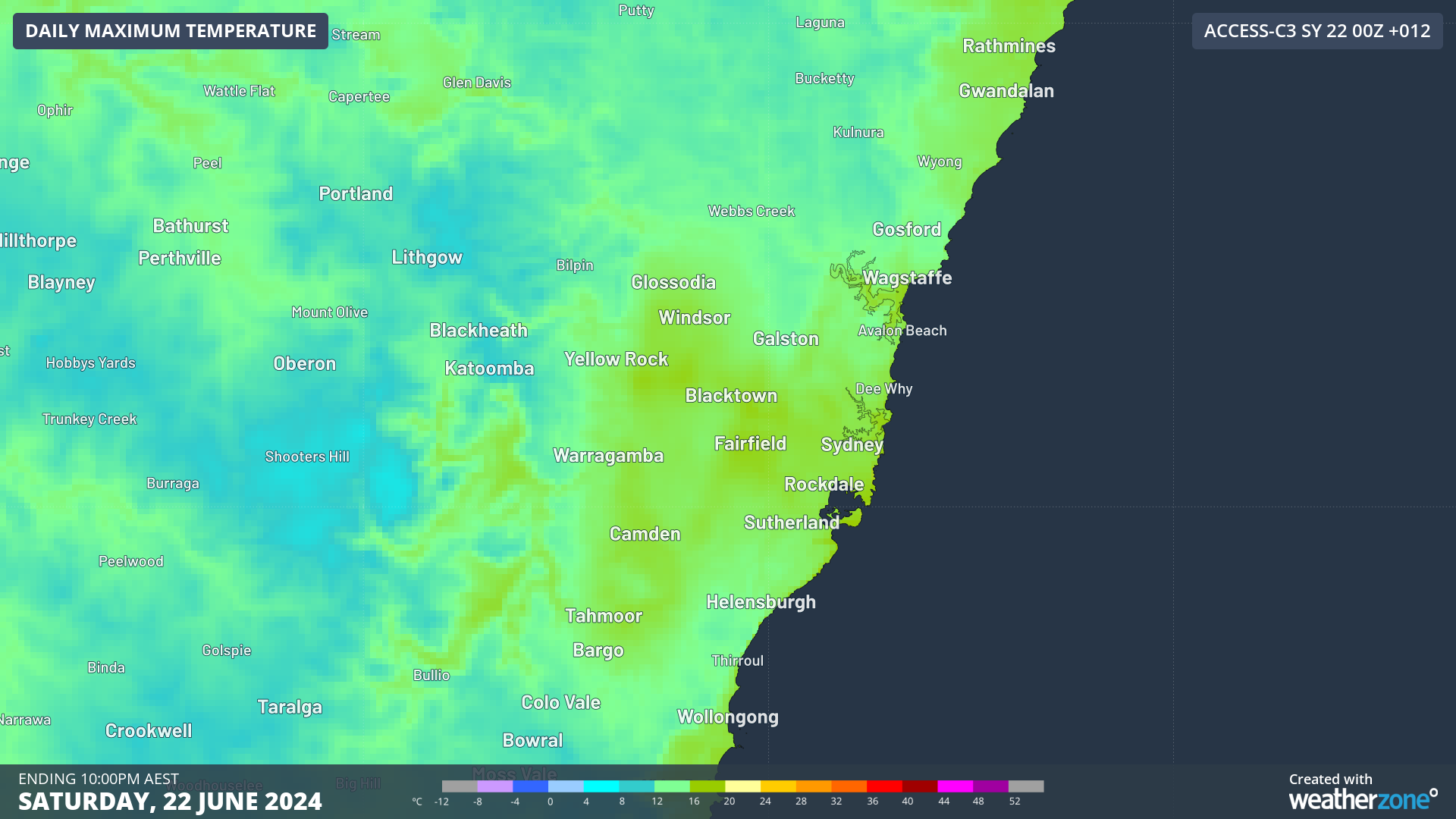
This pattern of “warm starts” followed by abrupt cooling can disrupt agricultural cycles and energy demand. In South Australia, the cold front is specifically expected to bring showers to agricultural regions, with Adelaide temperatures falling to 15C.
Frequently Asked Questions
Was June 2024 unusually warm in Australia?
Yes. Weatherzone reported that Melbourne, Sydney, Canberra, Adelaide, and Hobart were all two to three degrees above their average temperatures during June.
How much rain did Adelaide receive in mid-June?
Adelaide recorded 21.8mm of rain in the 24 hours ending at 9 a.m. on June 16, according to meteorologist Aline Ribeiro.
Which city had the most significant temperature record?
Sydney recorded its longest stint of June days above 20C in 170 years, as reported by Weatherzone.
Are you noticing weirder weather in your city? Share your local temperature swings in the comments below or subscribe to our newsletter for the latest climate updates.