

Colombia Presidential Race: Meet the Leading Candidates
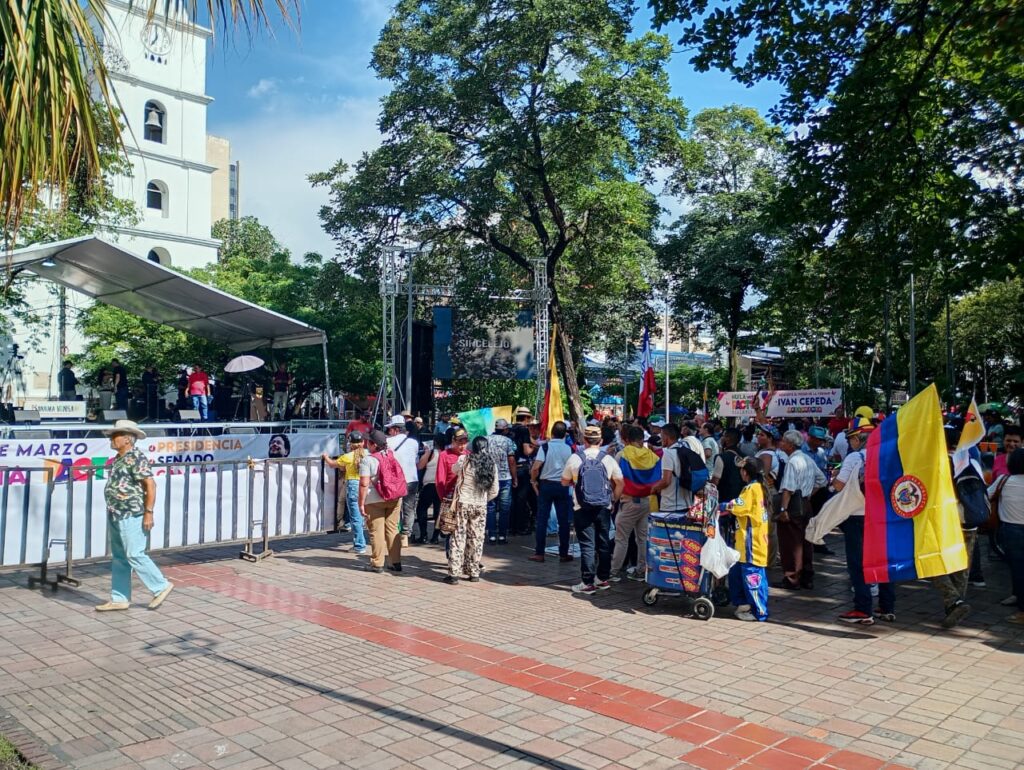
Colombia’s political landscape is undergoing a significant shift as the nation prepares to choose a successor to its first-ever left-wing president. Current polling indicates a fractured field defined by starkly different visions for the country’s security and economic future, with Senator Ivan Cepeda leading the pack, followed by outsider candidate Abelardo de la Espriella and conservative Senator Paloma Valencia.
The upcoming transition carries immense weight for the business community and international stakeholders. With the failure of the “total peace” plan serving as a central point of contention, the next administration will likely determine the trajectory of Colombia’s internal security policies, its relationship with global drug cartels and its stance on extractive industries like fracking.
The Contenders and Their Platforms
Senator Ivan Cepeda, an icon of the left and a key architect of the 2016 peace accord with the FARC, is running on a platform of continued social reform. His candidacy is deeply rooted in his history as a survivor of the political violence that claimed his father’s life. Critics, however, remain focused on his alleged ties to the FARC and the legislative fallout of the “total peace” initiative.

In contrast, Abelardo de la Espriella, a millionaire lawyer and businessman known as “The Tiger,” is positioning himself as an aggressive right-wing alternative. His platform centres on a militarized approach to crime, including the construction of mega-prisons and an explicit proposal for military alliances with the United States and Israel. His campaign reflects a desire among some voters for a return to hardline security measures.

Senator Paloma Valencia represents the institutional right, campaigning with the support of her mentor, former president Alvaro Uribe. Valencia’s platform is a direct rejection of the current administration’s policies, advocating for the replacement of “total peace” with “total security.” Her commitment to business-friendly policies, including the support of fracking, highlights a potential shift back toward traditional resource-extraction-led economic strategies.
Looking Ahead: Political Scenarios
If Ivan Cepeda secures the presidency, analysts expect a continuation of efforts to address the root causes of civil conflict, though he may face significant opposition from a legislature wary of his past policy failures. Conversely, a victory for either De la Espriella or Valencia could lead to a swift reversal of current security protocols.
Should the right-wing coalition succeed, a possible next step is the implementation of more restrictive public order laws and a pivot toward intensified militarization. This shift could alter the regulatory environment for industries currently under pressure, particularly those involving natural resources. Regardless of the winner, the next administration will face the immediate challenge of managing a polarized electorate and a complex security environment.
Frequently Asked Questions
Who is currently leading the polls to succeed the president?
Senator Ivan Cepeda, a human rights defender and architect of the “total peace” plan, currently leads the polls.
What is Abelardo de la Espriella’s strategy for combatting drug cartels?
De la Espriella proposes forming military alliances with the United States and Israel, constructing mega-prisons, and defending the right to carry weapons.
What is Paloma Valencia’s stance on the 2016 peace deal?
Valencia has consistently opposed the 2016 peace deal with the FARC and advocates for replacing the current “total peace” policy with a strategy of “total security.”
Which of these proposed security strategies do you believe would most effectively stabilize the national economy?