
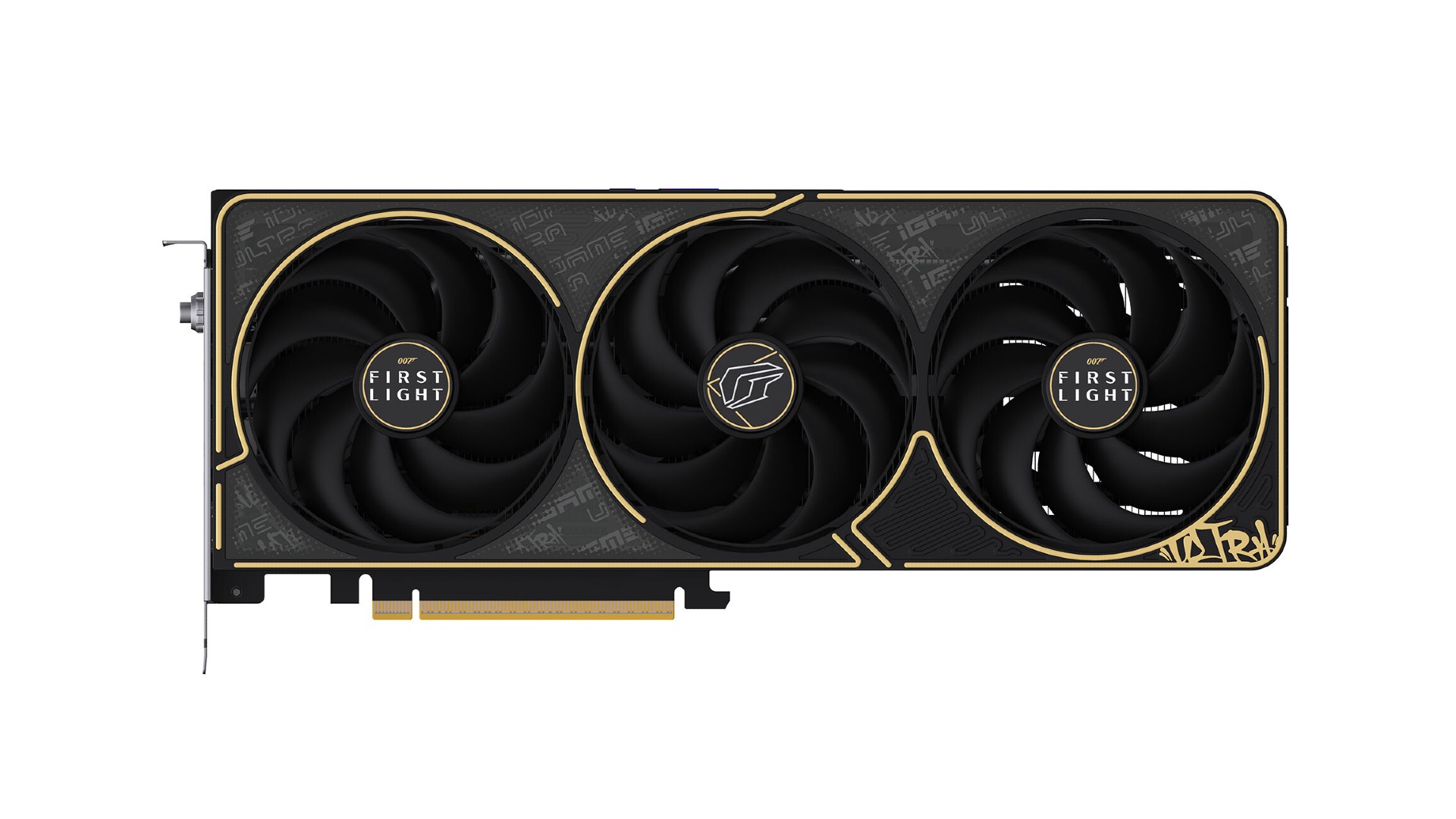
Colorful Unveils 007 First Light Edition GeForce RTX 5070 Graphics Card
The Era of “Lifestyle” Hardware: Why Your Next GPU Might Be a Collectible
For decades, PC components were hidden away in beige boxes, designed for utility rather than beauty. But the reveal of the Colorful iGame GeForce RTX 5070 “007 First Light Edition” signals a permanent shift in the industry. We are moving away from purely technical specifications and entering the era of “lifestyle hardware.”

Hardware manufacturers are no longer just selling clock speeds and CUDA cores; they are selling identity. By partnering with iconic franchises like James Bond, brands are transforming a piece of silicon into a luxury collectible. This trend mirrors the automotive industry, where a “Special Edition” trim adds value not through performance, but through exclusivity and aesthetic prestige.
We’ve already seen this with the rise of “boutique” PC building. Companies like ASUS and MSI have experimented with thematic designs, but the integration of cinema-grade branding suggests a deeper synergy between the gaming and movie industries.
The VRAM Tug-of-War: Is 12GB Still Enough?
One of the most debated points regarding the new RTX 5070 is its 12GB of VRAM. In an era where AI-driven textures and 4K resolution are becoming the norm, the industry is locked in a “memory war.”

The tension is clear: software developers are pushing for higher fidelity, while hardware manufacturers try to balance production costs and market segmentation. When we look at modern AAA titles, “VRAM stutter” has become a common complaint among gamers who find their cards capped out during intense scenes.
However, the trend is shifting toward smarter memory management. Technologies like DLSS (Deep Learning Super Sampling) and Frame Generation are designed to alleviate the pressure on raw VRAM by using AI to upscale images. This allows a 12GB card to punch above its weight class, provided the software optimization is there.
Cinematic Synergy: The Convergence of Gaming and Film
The partnership between the “007 First Light” game and Colorful hardware isn’t just a marketing gimmick; it’s a glimpse into the future of transmedia storytelling. We are seeing a convergence where the line between “watching a movie” and “playing a game” completely disappears.
Future trends suggest we will see more “Hardware Ecosystems.” Imagine buying a GPU that comes with exclusive in-game skins, a themed OS skin and perhaps even digital collectibles (NFTs or unique IDs) that prove you own a piece of the franchise’s history. This creates a closed-loop ecosystem that keeps the consumer locked into a specific brand’s aesthetic.
This trend is likely to expand into other peripherals. We can expect “themed” keyboards, mice, and monitors that synchronize their RGB lighting and haptics to the specific atmosphere of a film or game, creating a fully immersive sensory experience.
For more on how to optimize your current setup for next-gen titles, check out our guide on optimizing GPU settings for 4K gaming.
Frequently Asked Questions
Q: Does a limited edition design affect GPU performance?
A: Generally, no. The “Special Edition” refers to the shroud, backplate, and branding. However, some “Ultra OC” models come with factory overclocks that provide a slight performance boost over standard models.

Q: Is 12GB of VRAM sufficient for future games?
A: For 1080p and 1440p gaming, 12GB is currently the “sweet spot.” For ultra-high 4K textures or heavy AI workloads, you may find it limiting in the coming years.
Q: Why are GPU manufacturers collaborating with movie franchises?
A: It allows them to target “super-fans” and collectors, moving the product from a commodity (where people shop based on price) to a luxury item (where people shop based on desire).
What’s your take on “Designer” Hardware?
Would you pay a premium for a GPU that looks like a piece of art, or do you only care about the frames per second? Let us know in the comments below or subscribe to our newsletter for the latest in hardware leaks and reviews!