
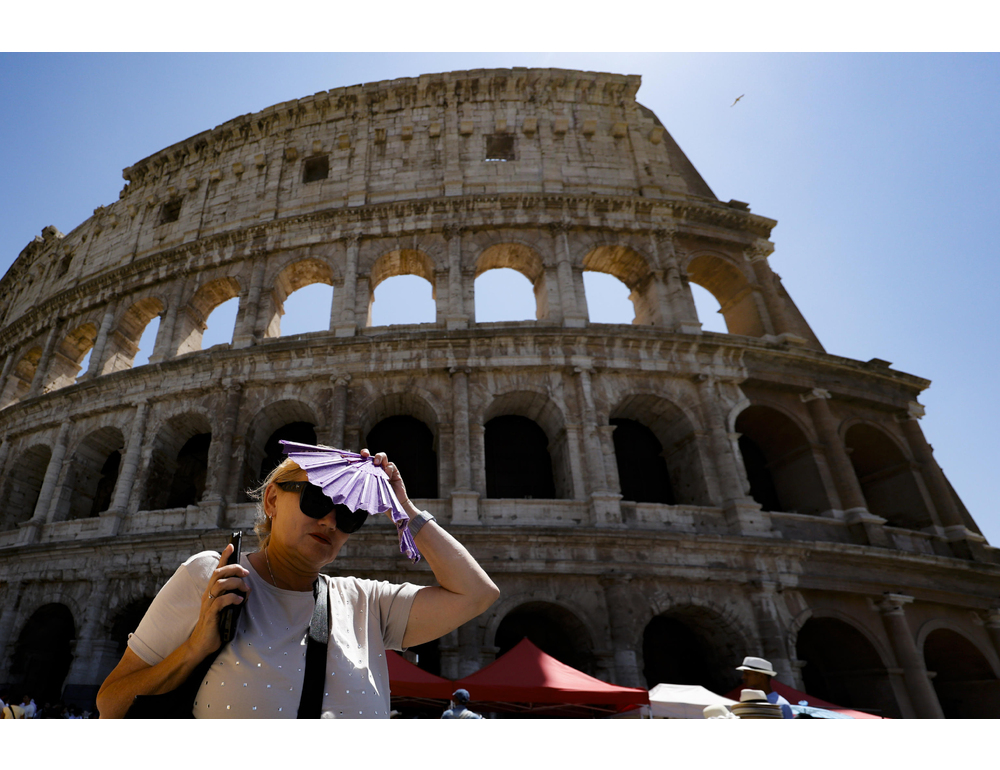
Colosseum Archaeological Park Enhances Summer Health and Safety Measures
The Colosseum Archaeological Park will operate a fixed health presidium from June 15 to September 15, 2026, to protect visitors and staff. According to PArCo, the service runs from 10:00 to 18:00, staffing doctors and nurses at three strategic locations to ensure rapid, qualified medical assistance during the summer.
Where are the medical stations located?
PArCo has established three strategic points for health assistance. These include the Colosseum/Domus Aurea complex and the archaeological area of the Palatine.
A third station is located in the Roman Forum area, specifically at the entrance of Largo della Salara Vecchia. This distribution aims to provide timely care across the park’s expansive layout.
How is the park combating summer heatwaves?
The archaeological park has increased prevention measures to counter high temperatures. PArCo installed nebulization devices in areas with the highest visitor traffic.
These devices work alongside the medical staff to mitigate the effects of heatwaves. The goal is to maintain safety and health during the peak summer season.
What are the implications for visitor safety?
PArCo states these policies prioritize “hospitality and security.” The presence of on-site medical professionals could lead to more effective interventions during emergencies.
Future iterations of these safety plans may expand based on the effectiveness of the 2026 summer deployment. Increased preventative cooling could potentially lower the number of medical calls during peak heat hours.
For more details, visit the official press kit.
Frequently Asked Questions
When will the medical service be available in 2026?
The service is operational from June 15 to September 15, 2026, between the hours of 10:00 and 18:00.

Who is eligible for assistance at the health presidium?
The service is designed to protect the health and safety of citizens, visitors, and park employees.
What specific measures are in place for heatwaves?
According to PArCo, the park has installed nebulization devices in high-traffic areas to contrast the effects of high temperatures.
Do you prioritize the availability of on-site medical staff when planning visits to major historical landmarks?