
Community comes together after fatal train crash near Bedford
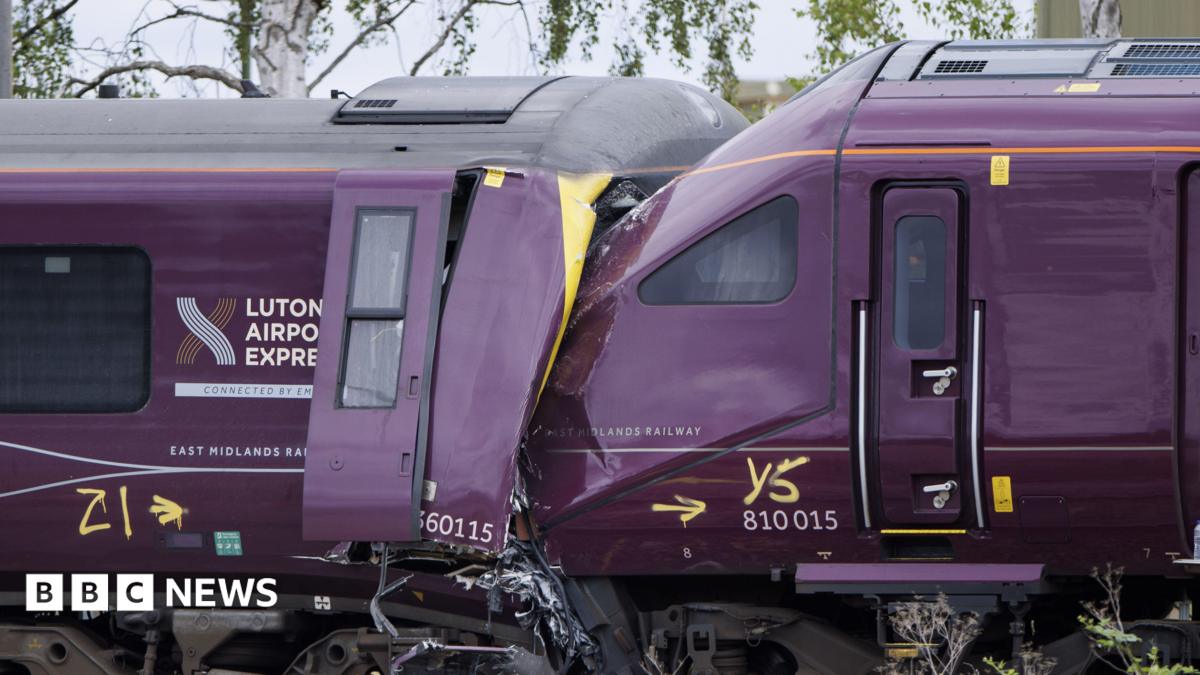
A train crash involving two services has prompted a large-scale community response in Bedford Borough, where local officials and emergency workers managed the aftermath. Passengers, including Dr. Peter Knapp, reported that the collision caused significant structural damage, leading some to initially mistake the impact for an explosion. Local authorities and support services provided immediate assistance to those affected, many of whom were not local to the area.
Community Response and Support
The immediate aftermath of the collision saw a mobilization of local support, which Bedford Borough Mayor Tom Wootton described as a “wartime spirit.” According to Wootton, the response involved a wide range of local entities, including churches, restaurants, taxi drivers, and scouts, all working to provide aid to passengers. Wootton specifically noted the actions of a local GP who continued to provide medical support to others despite sustaining her own injuries during the crash.

The Experience of Passengers
Dr. Peter Knapp, who was seated in the front carriage at the time of the collision, reported injuries to his leg and back. Following the impact, he was able to open a door and exit the train to document the scene. Dr. Knapp stated that the intensity of the crash made it feel like a “bomb explosion,” prompting his urgent decision to evacuate the carriage. He noted that he was the only individual able to exit through the door he opened.
Future Implications for Emergency Management
Looking ahead, the incident is likely to trigger comprehensive reviews regarding passenger safety and emergency evacuation procedures. As noted by Steven Row, the adrenaline and professional training of emergency workers carry them through the immediate crisis, but the subsequent psychological toll remains a critical focus for support teams. It is expected that authorities will continue to evaluate the effectiveness of the community-led response and integrate these findings into future protocols for large-scale transit emergencies.
Frequently Asked Questions
What was the initial reaction of passengers during the crash?
Dr. Peter Knapp, a passenger in the front carriage, described the crash as having an “explosive” intensity, leading him to believe the train had been hit by a bomb.
Who provided aid to the passengers following the collision?
Mayor Tom Wootton reported that a diverse group of local residents and professionals, including doctors, restaurant owners, taxi drivers, and scouts, assisted those affected by the incident.
How are emergency workers being supported after the event?
Railway chaplain Steven Row stated that he holds regular well-being meetings with his team to address the mental health impact of high-pressure incidents.
How can local communities best prepare to support emergency services during unexpected transit incidents?