

Comparative mitogenomic study of the brown accentor (Prunella fulvescens) and a sympatric relative across an altitudinal gradient
Genetic sequencing of the Brown Accentor (Prunella fulvescens) reveals that populations on the Tibetan Plateau have developed distinct genetic mutations to survive extreme altitudes. According to a recent mitochondrial genome study, these adaptations center on oxygen utilization and energy metabolism genes, with population divergence occurring during the Pleistocene epoch.
Why do Brown Accentor populations differ by altitude?
Geographic isolation and environmental pressure drive the genetic split between high and low altitude populations of the Brown Accentor. The study found that as altitude decreases, the number of mutation sites generally increases, though the Cyt b gene remains an exception. This suggests that the harsh conditions of the Tibetan Plateau act as a selective filter, forcing the birds to adapt or perish.

These birds aren’t just reacting to the cold. They’re fighting hypoxia—the lack of oxygen in thin air. The research indicates an “incipient genetic differentiation,” meaning these populations are in the early stages of becoming distinct groups due to their specific environments.
How does mitochondrial DNA signal high-altitude adaptation?
The study pinpointed specific genes that allow the Brown Accentor to manage energy more efficiently in low-oxygen environments. Specifically, the ATP6 and COXIII genes evolve at a faster rate, which according to the researchers, reflects the intense selective pressure of high-altitude living.
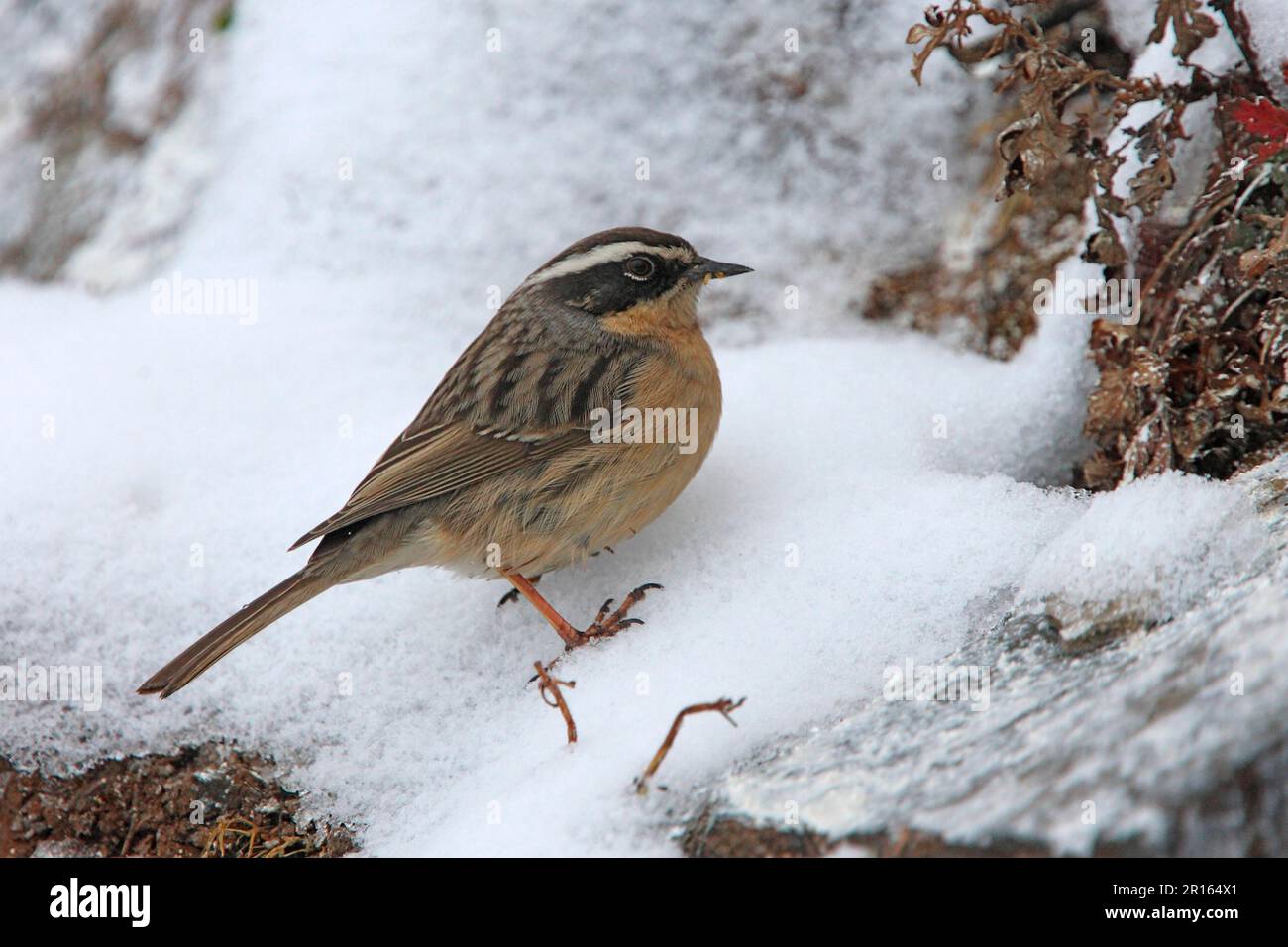
Energy metabolism is the core of the struggle. The researchers identified ATP8 as having the lowest nucleotide and amino acid sequence similarity across the groups. This variance in the mitochondrial genome directly impacts how the bird’s cells produce ATP, the primary energy currency of life, under hypoxic stress.
Comparing Genetic Markers
The genetic divergence isn’t uniform across the genome. While some areas remain stable, others shift rapidly to keep pace with environmental changes. This creates a genetic map that shows exactly where the bird is struggling—and succeeding—to adapt.
What separates the Brown Accentor from other plateau birds?
When comparing the Brown Accentor to its neighbors, the data shows that different species solve the altitude problem in different ways. The study compared P. fulvescens with a congener, Prunella strophiata, and a non-congener, Carpodacus rubicilloides.
The results showed that different genes exhibit varying intensities of selective pressure depending on the species. This suggests that while the goal—survival at high altitude—is the same, the genetic pathway to get there varies between related and unrelated species. For more on how species evolve in isolation, see our guide to avian evolution.
What happens next for Tibetan avian research?
This mitochondrial data provides a baseline for future whole-genome sequencing. By understanding the mitochondrial “powerhouse” of the cell, researchers can now look for corresponding changes in the nuclear genome that might affect hemoglobin affinity or lung capacity.

The findings align with broader patterns seen in other high-altitude specialists, such as the Tibetan Plateau’s unique fauna. The trend is moving toward “comparative genomics,” where scientists contrast multiple species to find the universal “genetic toolkit” for surviving the roof of the world.
Frequently Asked Questions
What is the Brown Accentor?
It’s an understudied bird species native to the Tibetan Plateau, known for its ability to survive in high-altitude environments.
When did the Brown Accentor populations diverge?
According to the mitochondrial genome analysis, the divergence occurred during the Pleistocene epoch.
Which genes are most critical for their altitude adaptation?
The study highlights ATP6, COXIII, and ATP8 as key genes associated with oxygen utilization and energy metabolism.
Want to stay updated on the latest in evolutionary biology?
Leave a comment below with your thoughts on high-altitude adaptation or subscribe to our newsletter for weekly deep dives into wildlife genetics.