
Concerns Rise as Many Patients Abandon HIV Treatment in Dominican Republic
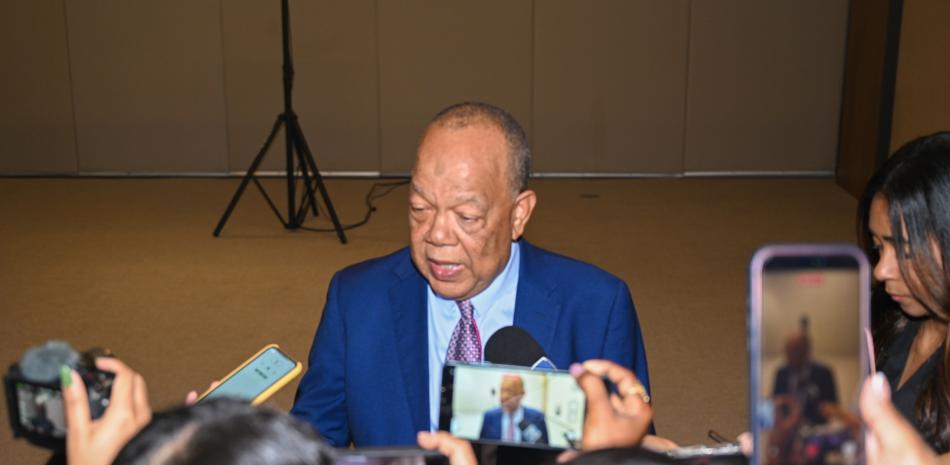
A significant number of patients living with HIV have stopped collecting their treatment, according to Rafael Enrique González, executive director of the National Council for HIV and AIDS (Conavisida). This decline in treatment adherence among patients, which includes a notable portion of Haitian migrants, is linked to a rising viral load and contributes to a broader public health challenge involving more than 85,000 people currently living with the virus.
Did You Know? While concerns have been raised regarding the substitution of certain anti-AIDS medications, Conavisida reports that these changes were driven by cost considerations from the Ministry of Public Health’s medication board, rather than a total cessation of supply.
Why patient adherence matters for public health
The decision by patients to move away from treatment centers risks a rebound in viral activity. González stated that the current situation is concerning, as it directly contributes to an increase in the proportion of the population experiencing a rise in viral load. When treatment is interrupted, the virus can replicate more effectively, potentially complicating long-term health outcomes for those affected.

Addressing medication safety and costs
Public health officials have faced questions regarding the substitution of specific anti-AIDS medications due to alleged side effects. González noted that while all medications carry a risk of side effects, those challenging the recent changes must provide evidence that the new components have increased negative outcomes. The shift in medication, according to the director, involves replacing a substance linked to potential liver and kidney damage with a different component intended to reduce the likelihood of such adverse reactions.
Financial sustainability and the role of government
The program experienced a period of financial instability following the withdrawal of funding from the United States Agency for International Development (USAID). According to González, the Dominican government stepped in to cover the necessary costs through Conavisida and the Ministry of Public Health. The director maintains that despite the change in funding sources, the program continues to operate with its previous level of effectiveness.
What may happen next
If patient participation continues to decline, the public health burden associated with uncontrolled viral loads could increase. Conversely, if government-led efforts successfully re-engage those who have stepped away from centers, the program may stabilize its patient retention rates. Officials will likely continue to monitor the impact of the new medication components on patient health outcomes to determine if further adjustments to the treatment protocol are required.
Frequently Asked Questions
Why have some patients stopped taking their medication?
According to Conavisida, a significant number of patients have distanced themselves from treatment centers and are not collecting their prescribed medications, though the products remain available.
Have the medications been changed?
Yes, the Ministry of Public Health has substituted certain components in the anti-AIDS medication regimen. Officials state this was done to address potential liver and kidney damage, as well as to manage costs.
How is the program funded following the withdrawal of USAID?
The Dominican government, through Conavisida and the Ministry of Public Health, has assumed the financial responsibility previously held by USAID to ensure the program’s sustainability.
How can health centers better support patients to ensure they remain consistent with their treatment plans?