
Confindustria President Urges Nuclear Energy and EU Reform to Prevent Deindustrialization
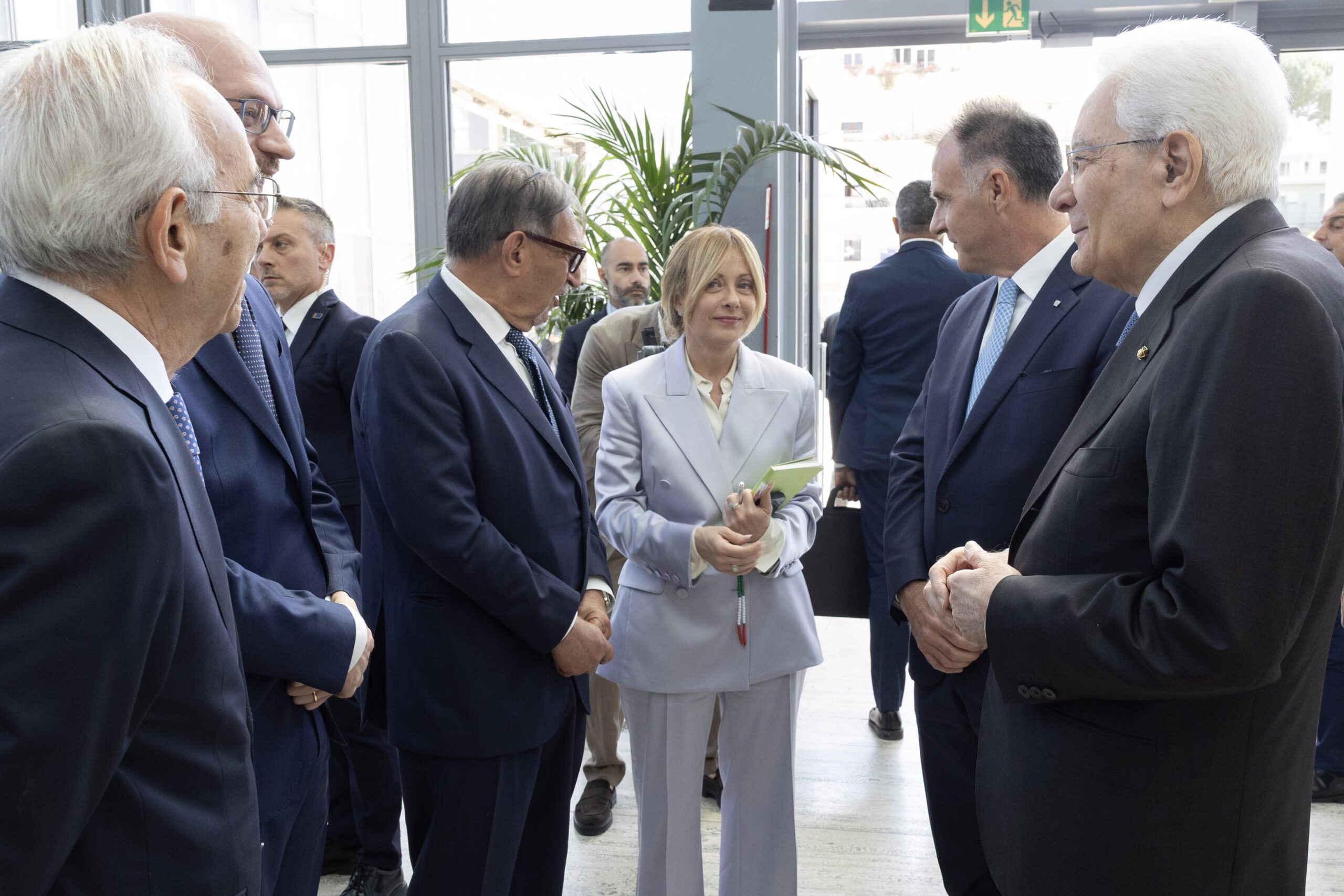
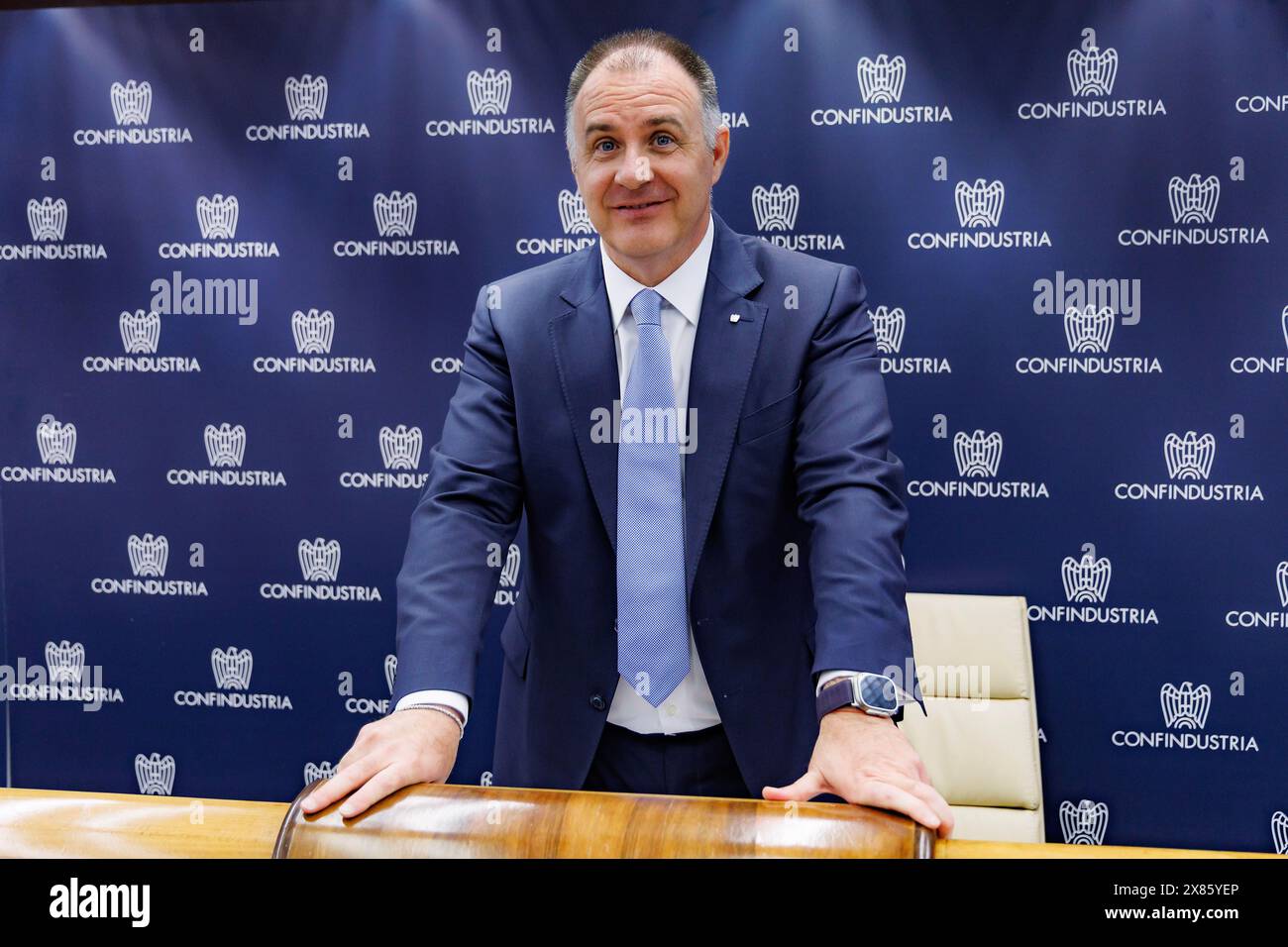
Emanuele Orsini, President of Confindustria, has issued an urgent call for immediate and coordinated action between Italy and Europe to prevent the deindustrialization of the continent. Speaking at the Confindustria Assembly in Rome, Orsini warned that European industry is at a “moment of truth” amid a dramatic geopolitical landscape marked by wars in Ukraine and the Middle East, the blockage of Hormuz, and intense competitive pressure from the United States and China.
The Risk of Industrial Decline
Orsini cautioned that without a unified effort, Europe risks losing its industrial core, which represents 15% of the GDP and millions of jobs. Over the last 25 years, the European Union’s share of global GDP has decreased by 7 points.
In contrast, China has emerged as a superpower, now generating 35% of global manufacturing production, often utilizing what Orsini described as “falsified rules.”
A New Blueprint for Europe
To combat these trends, Orsini urged Brussels to move away from “lunar bureaucracy,” specifically citing the 72 conditions the EU imposed on the Italian Bill-Decree. He proposed three primary priorities for the European Union:
- Single Energy Market: Establishing a single European buyer to lower energy costs.
- Single Capital Market: Attracting investors and mobilizing private savings.
- Common European Debt: Financing strategic investments in AI, nuclear energy, defence, and networks, with a proposed value of 1.2 trillion euros per year.
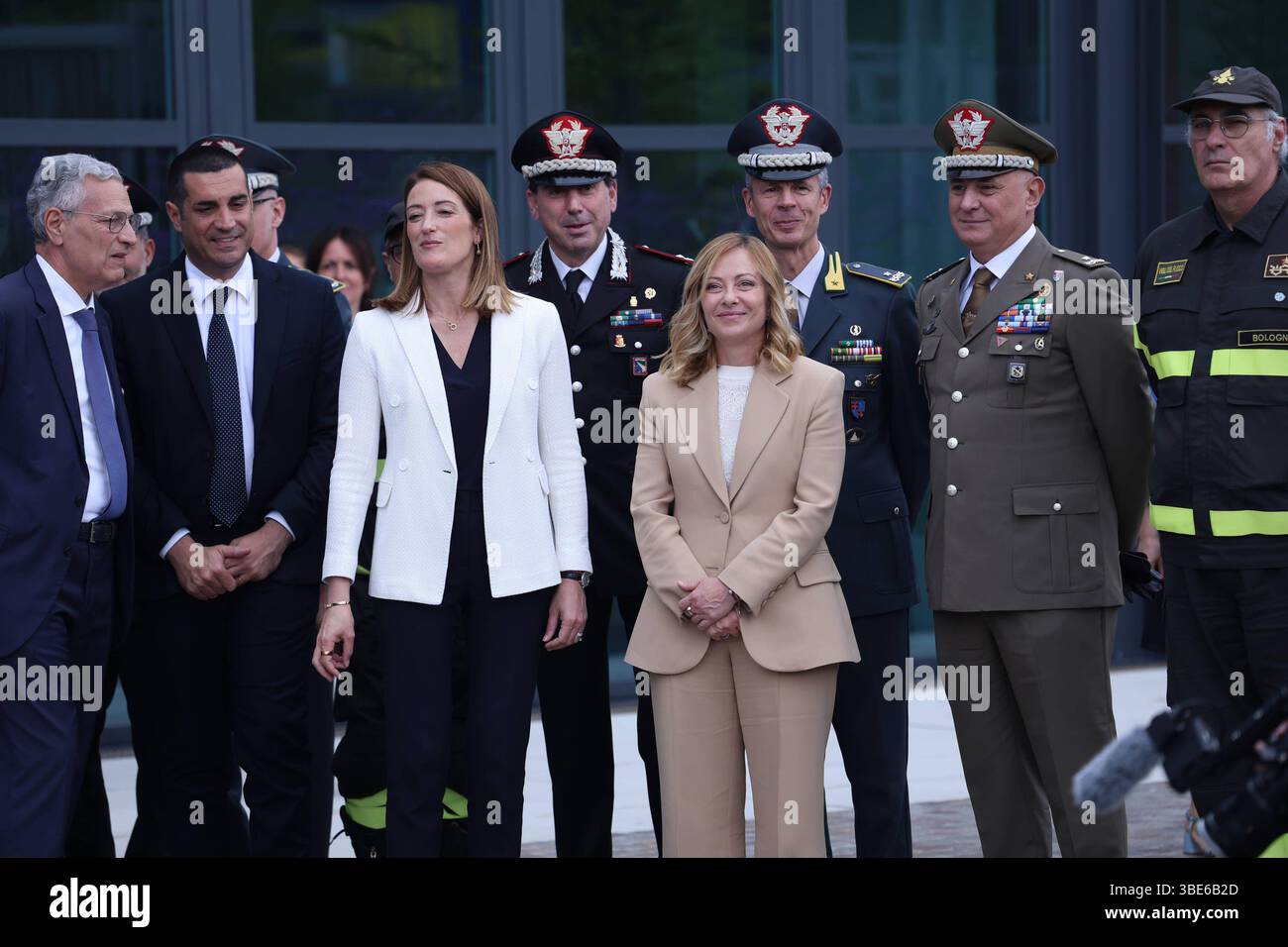
Supporting this push for autonomy, Roberta Metsola called for a more interconnected energy system and the necessary budget and resources for an autonomous EU, while Giorgia Meloni stated that “ideological bureaucracy and eco-totems” must end, asserting that Italy remains credible and is growing in exports.
Energy as an “Existential Threat”
Orsini identified energy costs as an “existential threat” to Italian businesses, which currently face the highest prices in Europe. To resolve this, he advocated for a return to nuclear energy by accelerating the experimentation of Small Modular Reactors (SMRs), suggesting that industrial plants could host them.
Orsini called for energy to be returned to the exclusive competence of the State to bypass regional blocks on renewables. He also urged the suspension of the Emissions Trading System (ETS), characterizing it as a product of financial speculation that benefits competitors outside the EU.
Five Levers for Italian Growth
To achieve a target annual growth rate of 2%, Confindustria outlined five strategic pillars for Italy:
- Energy: Addressing costs and supply.
- SME Scaling: Providing fiscal incentives for mergers and aggregations to increase the size of Small and Medium Enterprises.
- Innovation and AI: Implementing a national AI training plan and extending hyper-amortization to cloud services and software.
- Simplification: Adopting the “ZES Unica” model nationwide and urgently reforming Law 231 regarding corporate responsibility.
- Resources: Redistributing 20 billion euros of public spending toward health, school, and growth without increasing debt, while mobilizing 1% of family bank deposits (approximately 15 billion euros) toward businesses.
Labor, Wages, and Housing
Addressing the social dimension, Orsini acknowledged a “wage issue” in Italy, noting that low salaries are driving young people away. He argued that the solution lies in increasing productivity and security rather than through legislation alone.
To combat the “demographic winter” and better integrate workers, Orsini proposed a public-private “Piano Casa” to build sustainably priced housing.
These measures could potentially foster a national pact of responsibility, positioning enterprises as the center of the social and democratic stability of the system.
Frequently Asked Questions
What is the proposed financial mechanism for EU strategic investments?
Orsini proposed a common European debt to finance AI, nuclear energy, defence, and networks, totaling 1.2 trillion euros per year.
How does Confindustria plan to address the “demographic winter”?
The proposal includes a public-private “Piano Casa” to create affordable housing to support workers and counteract demographic decline.
What specific energy technology does Orsini suggest for industrial sites?
He suggests accelerating the use of Small Modular Reactors (SMRs) and offering industrial plants as sites to host them.
Do you believe a single European energy buyer is the most effective way to lower industrial costs?