

Congo Ebola Outbreak Reaches 1,003 Cases Amid Contact Tracing Challenges
The Ebola outbreak in eastern Congo has reached 1,003 confirmed cases, including 254 deaths, according to the Ministry of Health. Since the outbreak was declared on May 15, the virus has concentrated in the Ituri province, where officials face significant challenges in tracking those exposed to the disease. As of Sunday, 100 people have recovered, while at least 365 patients remain in hospitals or isolation units.
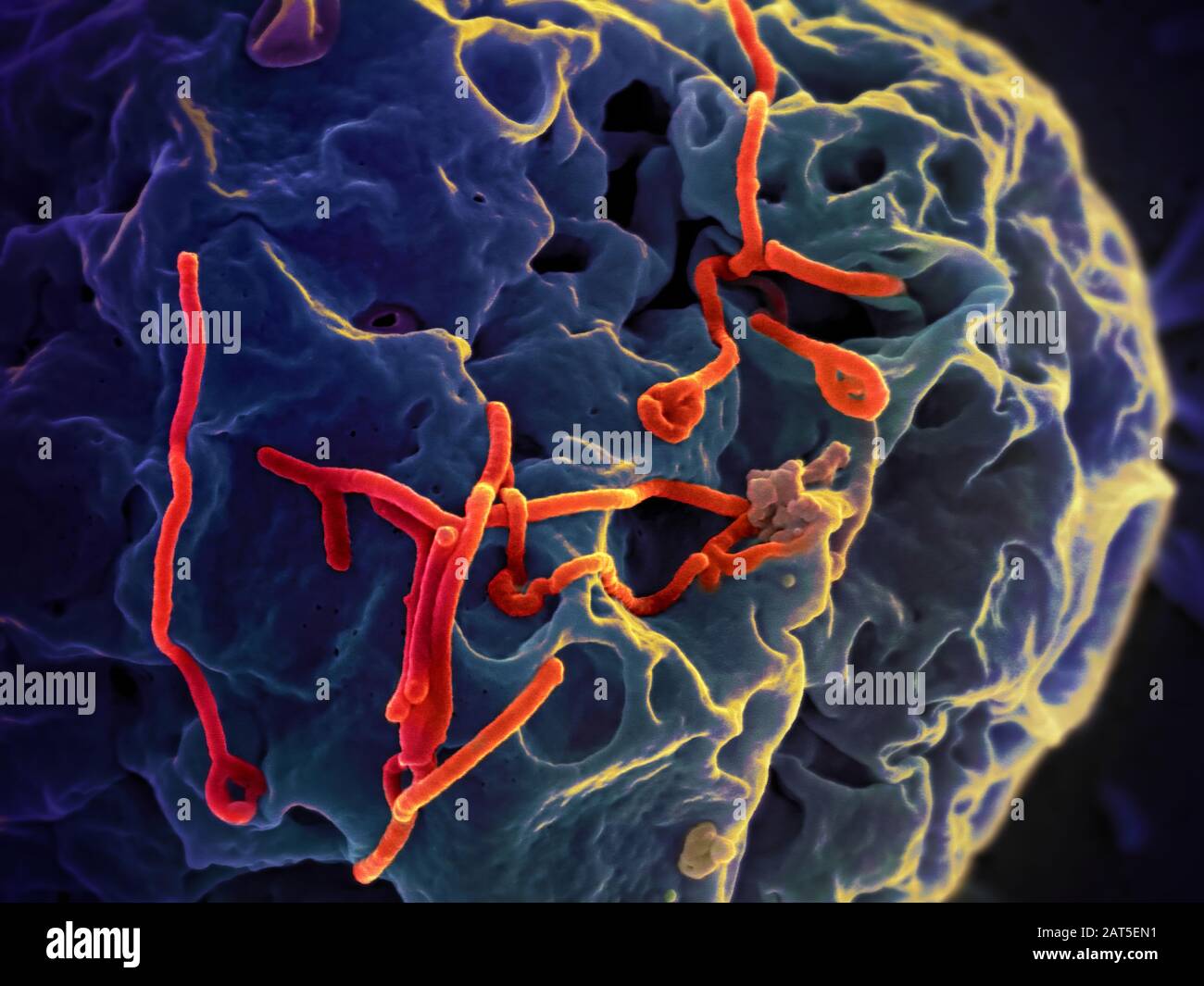
The current Ebola outbreak is caused by the rare Bundibugyo virus, which has no existing vaccines or medical treatments, marking it as the most severe outbreak of its kind during an initial month-long period.
Current Challenges in Containment
Health authorities are struggling to identify the index case and trace more than 35,000 individuals who have had contact with infected patients. According to the Ministry of Health, contact tracing efforts have only achieved a 55% coverage rate, a gap that officials believe allows the disease to outpace current response efforts.
Dr. Jean Kaseya, Director-General of the Africa Centers for Disease Control and Prevention, noted that the inability to identify the index case has left officials uncertain regarding when the outbreak actually began. Because the true scale of the virus remains unknown, authorities acknowledge that the peak of the outbreak may still lie ahead.
The difficulty in identifying patient zero, combined with low contact-tracing coverage, creates a high risk of undetected transmission. Given the lack of vaccines or specific treatments for the Bundibugyo virus, the primary defense remains the meticulous isolation of cases and the rapid identification of contacts to break the chain of infection.
Impact of Regional Conflict on Health Efforts
Response efforts are further complicated by ongoing violence in eastern Congo. Attacks by the Allied Democratic Force, a group backed by the Islamic State, have restricted access to many villages and forced thousands to flee their homes. This displacement has left many people living in overcrowded, precarious conditions, increasing the risk of rapid disease spread.
At the Kigonze displacement camp in Bunia, officials reported 10 deaths last week under unusual circumstances. While no Ebola cases have been confirmed at the site, the death rate is described as unprecedented. Charité Banza, a civil society leader in Ituri, warned that an epidemic within the camp, which houses over 20,000 displaced people, would be a catastrophe.
What May Happen Next
The U.N. refugee agency has expressed deep concern regarding the accelerating spread of the virus among the 2 million people displaced in Congo. If the disease continues to outpace containment efforts, the risk to these vulnerable populations is likely to increase. Analysts and health officials suggest that without improved access to remote areas and higher contact-tracing coverage, the geographic footprint of the virus could expand further.
Frequently Asked Questions
What is the current death toll from the outbreak?
As of the latest reports, there have been 254 confirmed deaths associated with the outbreak.
Why is contact tracing proving difficult?
Authorities have only reached 55% coverage due to regional violence, displacement, and the challenges of accessing remote villages affected by rebel activity.
Are there vaccines available for this specific virus?
No. This outbreak is caused by the rare Bundibugyo virus, for which there are currently no vaccines or medical treatments.
How can public health infrastructure better adapt to provide care in regions experiencing both active conflict and disease outbreaks?