

CONSOB Blocks 18 Fraudulent Trading and Crypto Sites: June 2026
Consob blocked 18 unauthorized trading, forex, and cryptocurrency websites in June 2026 to protect Italian investors from illegal financial services. This regulatory action brings the total number of portals blocked by the authority since July 2019 to 1,736, according to official Consob data.
Which websites did Consob block in June 2026?
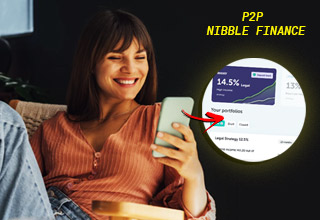
The regulator executed three distinct waves of blocks during the month. On June 4, Consob ordered the blackout of six sites, including ArizonaTrade, Afex Markets, Lgquantichft, and Trading Europe BV. One of these, OÜ NIBBLE ITSF (Nibble Finance), faced a more severe 90-day precautionary suspension of its investment offers under Article 101-bis of the TUF.
A second intervention on June 12 targeted seven additional platforms: Orvelin-invest.org, Credessa, Kcapital, Web-tradereurope.com, Zelvaris Group Ltd, capital-liquidity.com, and Wealth Trade Capital. These portals were found to be providing investment services without the required Italian or European authorizations.
A third block affected five more platforms: mibinvestcfd.com, Omenyxgroup.com, Nexus AI Group Limited, Pendoxa, and Novate-cfd. Consob noted that these sites often used complex technical structures, separating their institutional pages from client areas to mimic legitimate operations.
How do these unauthorized trading platforms operate?
According to Consob, these scams typically begin with social media advertisements on platforms like TikTok, Instagram, Facebook, and YouTube. These ads often use images of public figures without consent or mimic news articles to promise “safe” or guaranteed high returns.
Fraudsters often use “AI” and “proprietary algorithms” as marketing narratives to justify these returns. Consob’s June 2026 Fintech Notebook highlights that these AI claims are frequently empty labels used to legitimize simulated trading platforms.
Once a user deposits funds, they see fictitious profits on a dashboard to encourage further investment. When the user attempts to withdraw money, the platforms demand additional payments for “unlocking fees,” “customs taxes,” or “fiscal guarantees,” making the original funds effectively irrecuperable.
What legal powers allow Consob to block websites?
The authority’s power to order internet service providers to block access stems from the 2019 “Decreto Crescita” (Law n. 58, art. 36). This law allows Consob to inhibit access from Italy to sites offering financial services without authorization.
Since 2024, the European MiCAR regulation (EU 2023/1114) has extended these powers to include unauthorized crypto-asset service providers. The technical process involves DNS blocking or traffic redirection by Italian providers.
The vulnerability of the public is highlighted by the VI Assogestioni-Censis 2026 report, which states that 47.8% of Italians have received at least one online investment proposal that turned out to be a scam.
What may happen next for investors and regulators?
Regulators may continue to increase the speed of interventions as fraudulent organizations adapt their technical structures. Investors could see a rise in more sophisticated “AI-driven” narratives as a primary lure for deposits.

A possible next step for affected users is the use of official verification tools. Consob recommends checking the Registro SIM, the “Occhio alle truffe” section, the IOSCO I-SCAN database, ESMA warnings, and the OAM/Banca d’Italia registers before depositing any capital.
Frequently Asked Questions
How can I check if a trading site is blocked by Consob?
Users can search the “Oscuramenti di siti abusivi” section on consob.it, which lists all portals blocked since July 2019. Other resources include the “Avvisi ai risparmiatori” page and the IOSCO I-SCAN international alert system.
Can I recover money deposited on a blocked site?
Recovery possibilities are limited. Consob suggests immediately stopping further payments, saving all documentation, filing a report with the Polizia Postale, and submitting an official complaint to Consob. Some bank chargeback procedures may be possible if cards were used.
Are these websites permanently shut down?
No. The block is territorial and technical, meaning the sites remain online and accessible from outside Italy. This is why operators often reopen using new, similar domains shortly after a block occurs.
Do you always verify the authorization of a broker through official registries before investing?