
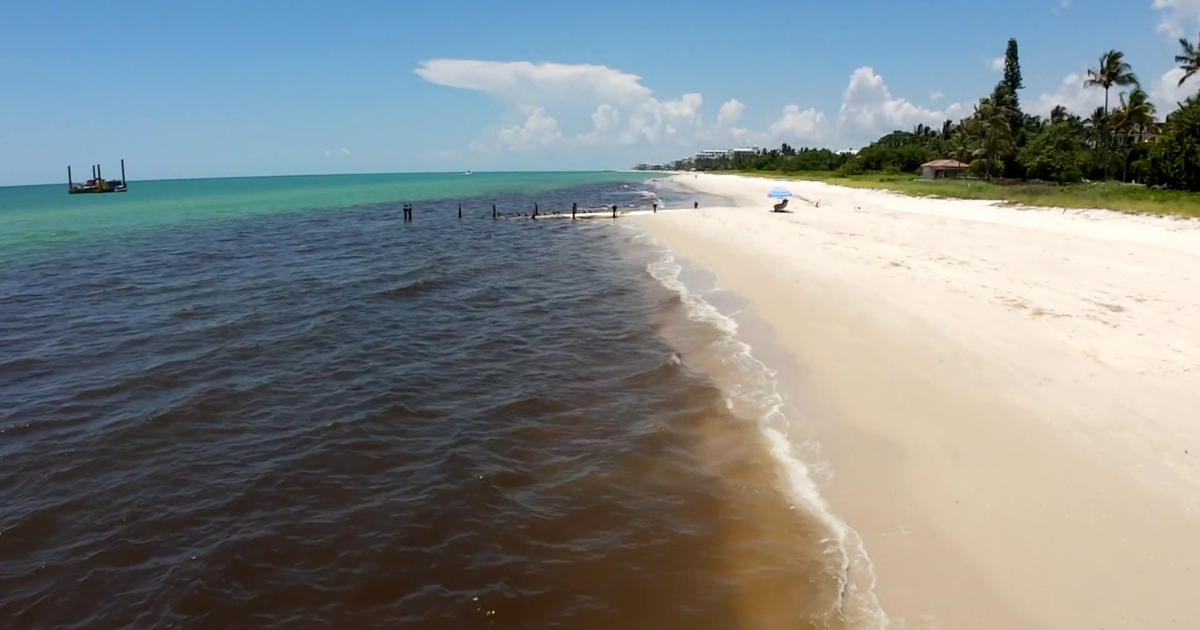
Construction Causes Brown Water at Naples Beach
Naples city officials confirmed that a temporary release of stormwater and sediment caused Gulf waters to turn brown at Naples Beach on Tuesday. The incident occurred during the connection of a large pipe for a stormwater beach outfall project. Water testing conducted by the city confirmed the water remained safe for beachgoers.
Beachgoers reported seeing the Gulf water change color in real time Tuesday. According to city officials, the discoloration happened when crews were connecting a large pipe as part of a stormwater beach outfall project. This action knocked loose sediment that had built up inside the system over several months, sending it directly into the Gulf.
City crews stopped work immediately after the release. Testing was performed at the outfalls located along Third Avenue and First Avenue North. The city reports that the water quality stayed below safety limits and is safe for public use.
Why did the water turn brown at Naples Beach?
The brown hue was the result of dislodged sediment. City officials stated that the sediment had accumulated within the stormwater system over months. When the pipe connection occurred, the material was pushed out through the beach outfall.
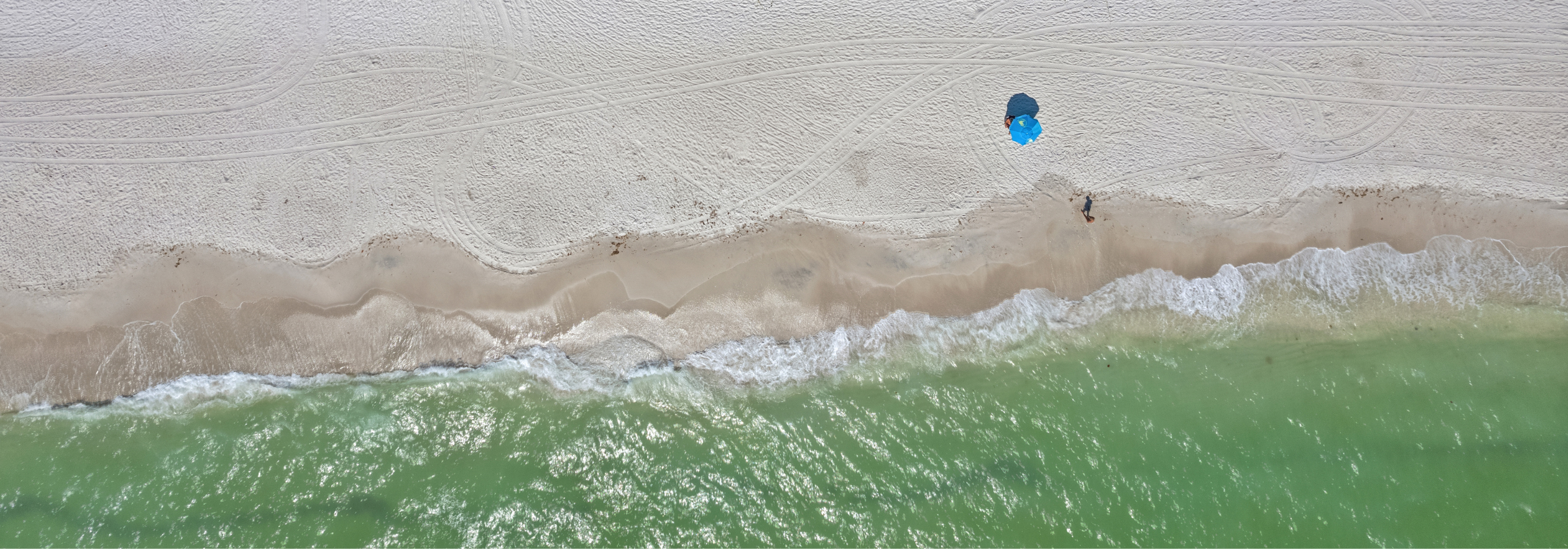
Witnesses described the event as sudden. Kevin Ruland reported that brown water moved down from the north, noting that the change was visible enough to make some visitors leave the beach. Ruland also mentioned the water had a “seaweed smell or dirty water smell.”
Other visitors initially feared a natural phenomenon. Kayla Karian told reporters she first thought the discoloration was red tide, noting that part of her swimsuit turned brown after she exited the water.
Is the water safe after a stormwater release?
Yes, according to the city. Officials conducted water tests at the specific sites where the sediment was released. These tests confirmed that the water quality remained within safety parameters.

Despite the official safety rating, the event highlighted a gap between technical safety and public perception. While the city focused on chemical safety limits, beachgoers like Ruland and Karian expressed alarm over the visual and olfactory changes in the water.
How do coastal cities prevent sediment runoff during construction?
Modern coastal engineering increasingly relies on “silt curtains” and temporary filtration systems to prevent the exact scenario seen in Naples. These barriers act as underwater fences that trap sediment before it can disperse into the open ocean.
Industry trends show a shift toward real-time turbidity monitoring. Instead of testing water after a leak occurs, cities are beginning to use sensors that trigger automatic shut-off valves when sediment levels spike. This prevents the “murky brown” visual that alarms the public.
The Naples project is still underway. Residents have expressed concern that similar releases could happen again before the stormwater beach outfall project is completed.
Comparing Public Perception vs. Official Reports
| Metric | City Official Stance | Beachgoer Experience |
|---|---|---|
| Water Safety | Below safety limits/Safe | Alarming/Nervous |
| Visuals | Temporary sediment release | Murky brown/Stained swimsuits |
| Scent | Not specified | Seaweed or dirty water smell |
FAQ: Stormwater Releases and Beach Safety
What is a stormwater beach outfall?
It is a system of pipes that carries rainwater and urban runoff from city streets and drains out to the ocean to prevent inland flooding.
Does brown water always mean pollution?
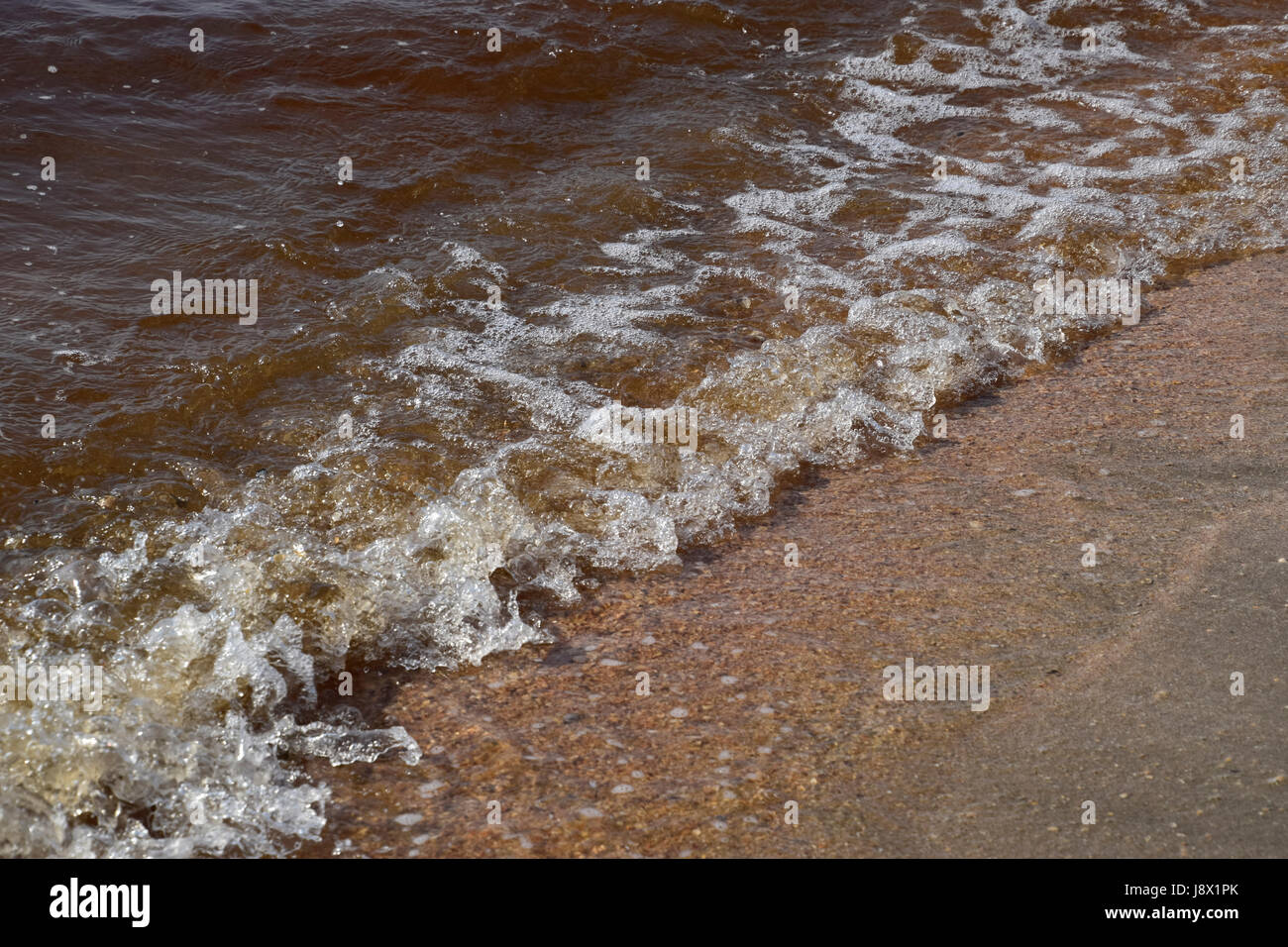
Not necessarily. Brown water can be caused by natural sediment, sand stirring, or stormwater runoff. However, it can also indicate the presence of pollutants, which is why city testing is required.
How can I tell if the water is safe to swim in?
Look for official city notices or check with the Florida Department of Environmental Protection for water quality advisories.
What do you think about the balance between city infrastructure upgrades and beach preservation? Share your thoughts in the comments below or subscribe to our newsletter for more local environment updates.