
countering the challenge from Chinese competitors
The Great Pivot: How Samsung is Redefining its Ecosystem Strategy
For years, the smartphone playbook was simple: dominate the high-end market with flagship innovation, then leverage those features to capture the mid-range segment. Samsung perfected this model, but as the market landscape shifts, the company is finding that hardware alone is no longer enough to fend off aggressive, price-competitive rivals.
The rise of nimble, low-cost competitors has forced a strategic evolution. Samsung is moving away from a pure hardware-volume approach and toward a deeply integrated ecosystem strategy that prioritizes platform services alongside its iconic device lineup.
Beyond the Hardware: Integrating the Platform
The modern battle for consumer loyalty isn’t fought on specs sheets alone—it’s fought in the ecosystem. Samsung’s recent integration efforts, such as smart home partnerships with brands like IKEA, signal a shift toward “ambient computing.” By embedding their software services into the fabric of the home, Samsung is creating a “sticky” user experience that hardware-only competitors struggle to replicate.
The Challenge of the Affordable Segment
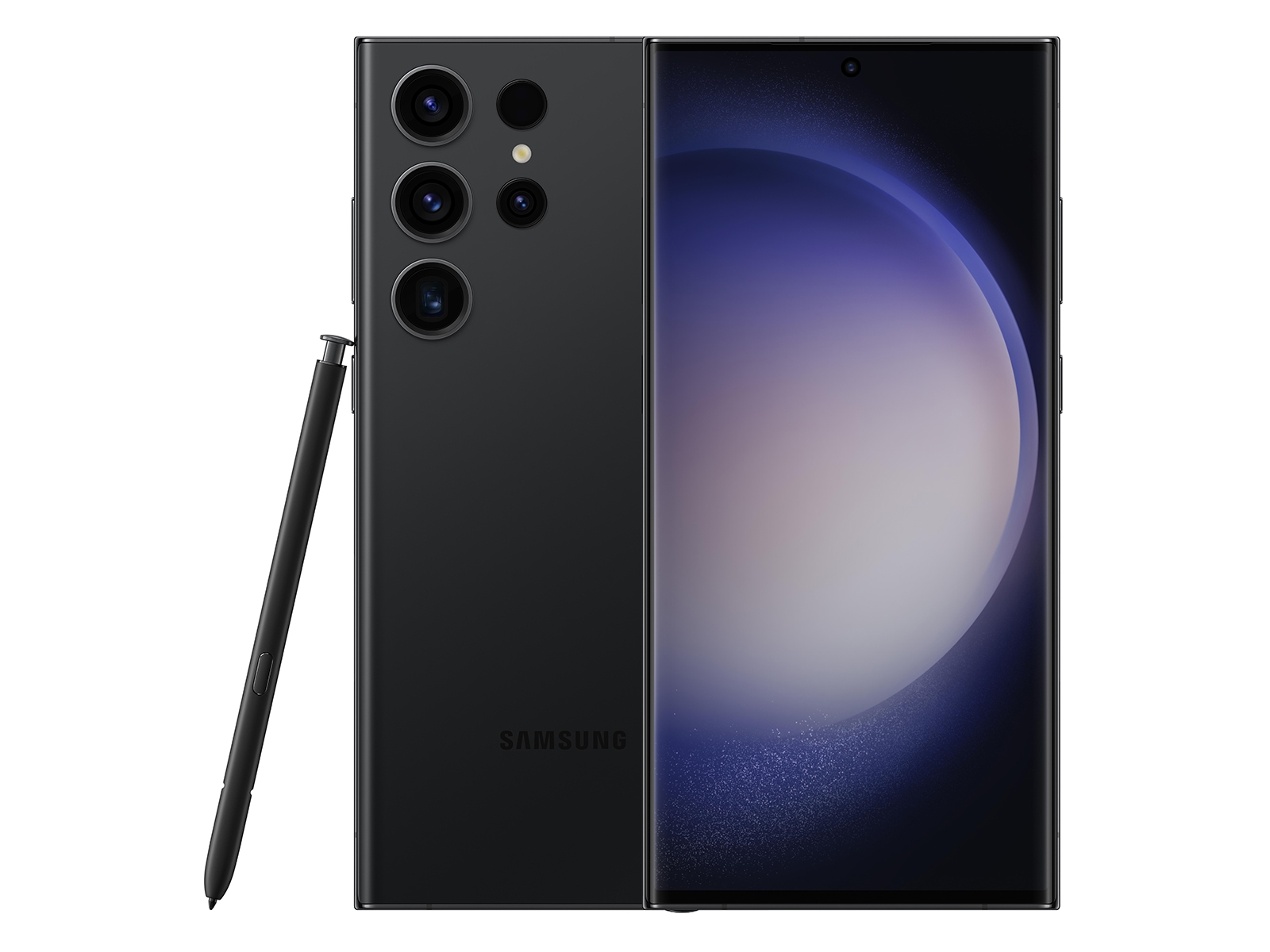
While the Galaxy S25 Ultra continues to set the standard for premium performance, the entry-level and mid-range tiers remain a pressure cooker. Historically, Samsung relied on the “halo effect”—the idea that a premium flagship would drive sales of cheaper models. However, when price-sensitive consumers have access to high-spec alternatives from emerging vendors, brand loyalty can quickly evaporate.
To combat this, Samsung is pivoting toward “sustainable technology.” By focusing on eco-friendly materials and longer-term software support, they are attempting to differentiate their affordable models from the “disposable” tech often associated with budget-tier competitors.
Expanding the Horizon: Healthcare and Autonomous Tech
The future of Samsung’s portfolio is not just in your pocket; it’s in your city. Strategic reports indicate a massive push into autonomous vehicles, healthcare technology, and smart city infrastructure. This diversification is a hedge against the volatility of the mobile device market.
Strategic Outlook for the Coming Years
What does this mean for the consumer? Expect to see fewer “generic” budget phones and more specialized devices that serve as entry points into a broader service ecosystem. Whether it is through enhanced AI features or deeper integration with smart home appliances, Samsung is betting that a platform-first approach will provide the sustainable growth that hardware volume once delivered.
Frequently Asked Questions
- Is Samsung still focusing on high-end smartphones? Yes, flagships like the Galaxy S series remain the primary drivers of brand prestige and innovation.
- How is Samsung competing with cheaper Chinese brands? By moving beyond hardware specs and focusing on ecosystem integration, software services, and long-term device sustainability.
- What is the “halo effect” in this context? It is the marketing strategy where the prestige of a flagship product encourages consumers to purchase more affordable models from the same brand.
- Why is smart home integration important for Samsung? It creates a unified user experience that keeps customers within the Samsung ecosystem, making it harder for them to switch to competitors.
What do you think is the most important factor when choosing a new smartphone today? Is it the hardware specs, or the ecosystem of apps and services? Share your thoughts in the comments below or subscribe to our newsletter for deep-dive tech analysis delivered to your inbox.