

Creating Inclusive Early Learning Classrooms: A Practical Guide
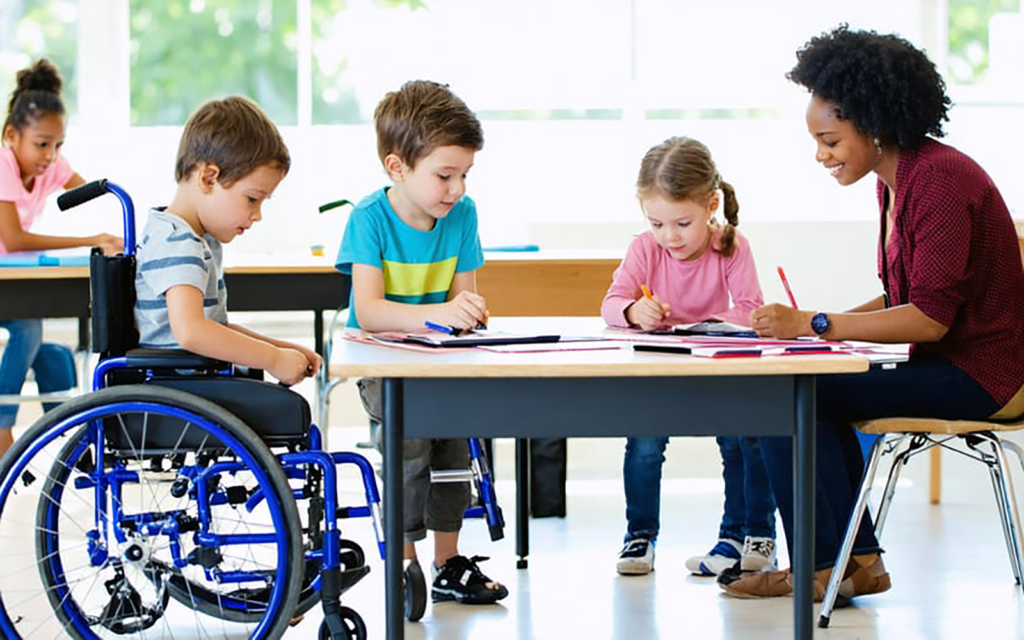
Creating an inclusive early learning environment is a foundational step in ensuring children feel safe, seen and ready to learn. By implementing intentional, small-scale adjustments to classroom design and daily routines, educators can foster a space where every child—regardless of their individual needs—can actively participate and thrive.
Designing for Inclusion
The physical layout of a classroom serves as a primary tool for independence. Educators are encouraged to establish clear, labeled centres using photos and simple words to guide children through activities like reading, building, or creating. Maintaining low shelves and ensuring materials are within reach allows children to select and return toys on their own, which significantly reduces frustration.
Safety and accessibility remain paramount. By widening paths to accommodate mobility devices and carefully arranging furniture to maintain clear sightlines, staff can ensure active supervision while providing every child the freedom to move. Incorporating a “calm corner” equipped with soft cushions and a rug provides a designated space for children to self-regulate before rejoining the group.
Did You Know?
Visual aids such as picture schedules, first-then boards, and choice cards are essential tools for supporting children who may process information at different speeds or those who speak languages other than the primary language of instruction.
Building Stronger Partnerships
Inclusion extends beyond the classroom walls and into the home. Establishing a partnership with families begins by asking what strategies are effective at home, allowing teachers to build upon the child’s existing strengths. Regular, brief communication regarding observations and the sharing of successful strategies between teachers and families ensures consistency in the child’s development.
When developmental delays or specific concerns are identified, providers can look to resources such as NAC Chapter 388 or local early intervention services. Inviting specialists to collaborate during daily routines allows for a unified approach, ensuring that therapy strategies are seamlessly integrated into the child’s typical day.
Expert Insight:
The transition from home to school is often the most critical point of vulnerability for a child. By prioritizing small, consistent changes and maintaining open lines of communication, educators reduce the burden on both the child and the family, effectively lowering barriers to engagement and fostering long-term trust in the educational program.
Strategic Implementation
A common pitfall in early childhood settings is the attempt to introduce too many changes simultaneously. A more effective approach involves a two-week plan that focuses on one visual aid and one routine at a time. Tracking the results of these changes allows staff to assess what works best for their specific group.
In the coming months, programs that adopt these structured, evidence-based practices may see improved student outcomes and stronger family retention. As staff become more comfortable with these inclusive techniques, classroom management will become more proactive, relying on established routines rather than reactive interventions. Consistent, daily team huddles to share successes may further solidify these practices within the classroom culture.
Frequently Asked Questions
Q: When should I refer a child for an evaluation?
A: If a concern regarding a child’s development persists after weeks of observation and support, Try to discuss the situation with the family and suggest seeking early intervention services.
Q: Who is responsible for the funding of support services?
A: Funding sources vary depending on the situation. Families may utilize state-provided early intervention services, while programs are encouraged to explore available local supports. Always verify specific requirements with your state licensing agency.
Q: How can I ensure my staff remains consistent in their approach?
A: Consistency is best achieved through the use of concise, one-page behavior support plans, daily team huddles to review strategies, and ongoing professional development through targeted training courses.
What is one small change you have implemented in your classroom that made the biggest difference in how a child engages with their peers?