

Croatia at the 2026 FIFA World Cup: Schedule, Squad, and Team Guide
The Enduring Legacy of Croatia: Can the “Vatreni” Defy Time at the 2026 World Cup?
For nearly a decade, Croatia has defied the conventional logic of international football. Despite a relatively small population, the Vatreni have consistently punched above their weight, securing a runner-up finish in 2018 and a bronze medal in 2022. As the 2026 FIFA World Cup approaches, the burning question remains: can this veteran-led squad maintain its status as a perennial dark horse?
Under the steady hand of manager Zlatko Dalić, who has led the team through three consecutive World Cup cycles, Croatia enters the 2026 tournament with a blend of seasoned leadership and tactical discipline. The team’s qualification campaign—an unbeaten run featuring seven wins and one draw—serves as a testament to their continued dominance in European competition.
The Modrić Factor: A Masterclass in Longevity
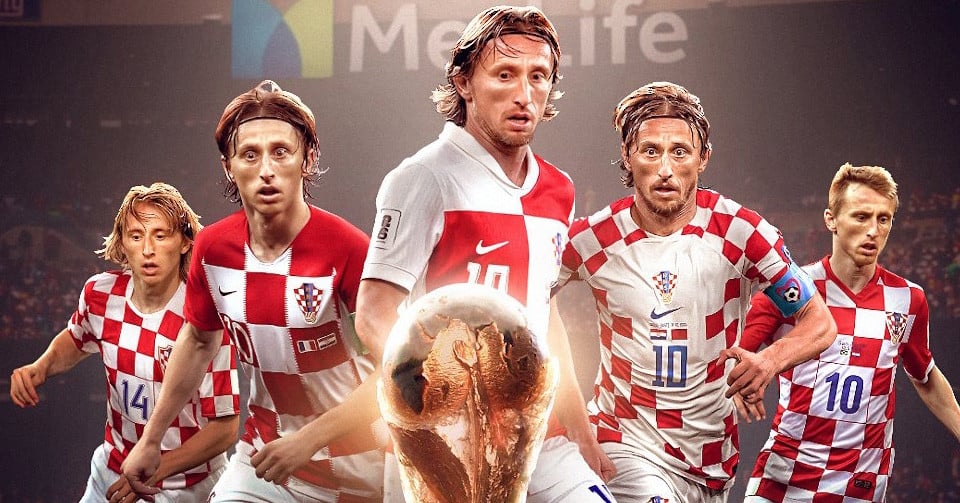
At the center of the Croatian project is the incomparable Luka Modrić. Now 40, the midfield maestro has transitioned from his storied career at Real Madrid to a new chapter with AC Milan. His influence extends far beyond the pitch; he is the heartbeat of a team that relies on technical precision and high football IQ.
Modrić is currently approaching the historic milestone of 200 international caps. His presence provides a psychological edge that few teams in the world can replicate. For younger players in the squad, having a Ballon d’Or winner as a mentor is a competitive advantage that often translates into composed performances during high-stakes knockout matches.
Tactical Evolution: Beyond the Midfield
While the midfield is the team’s engine, the attacking prowess of Ivan Perišić and Andrej Kramarić—the latter being the top scorer during the qualification phase—ensures that Croatia remains a constant threat on goal. The 2026 squad is not merely relying on past glories; they are evolving.
Dalić’s strategy centres on controlling the tempo. By maintaining a high percentage of possession and utilizing wide areas, Croatia forces opponents to chase the game, a strategy that has proven lethal in previous World Cup tournaments. Their upcoming schedule in Group L, featuring matches against England, Panama, and Ghana, will require this tactical flexibility to navigate diverse playing styles.
The Road Ahead: Building for the Future
The 2026 World Cup represents a potential “last dance” for some of Croatia’s golden generation, but the focus remains firmly on the present. The team’s rigorous preparation, including high-level fixtures in the UEFA Nations League against powerhouses like Spain and England, ensures they are battle-tested before the global stage.
For fans and analysts alike, the key trend to watch is how Dalić integrates emerging talent to complement the veterans. If the younger core can absorb the tactical discipline of the senior players, Croatia will remain a formidable opponent for any nation, regardless of the betting odds.
Frequently Asked Questions (FAQ)
Who is the current manager of the Croatian national team?
Zlatko Dalić has served as the head coach since 2017, leading the team to significant successes in the 2018 and 2022 World Cups.
What is Croatia’s best result in the FIFA World Cup?
Croatia’s best performance was reaching the final in the 2018 tournament, where they finished as runners-up.
Who are Croatia’s group stage opponents in 2026?
Croatia has been drawn into Group L alongside England, Panama, and Ghana.
Where can I find the latest updates on Croatia’s World Cup squad?
You can follow the latest news, official rosters, and match statistics via FIFA’s official tournament portal.
What do you think? Can Croatia make it to the semi-finals again in 2026? Share your predictions in the comments below, or subscribe to our weekly newsletter for more deep-dive analysis on the world of international football.