
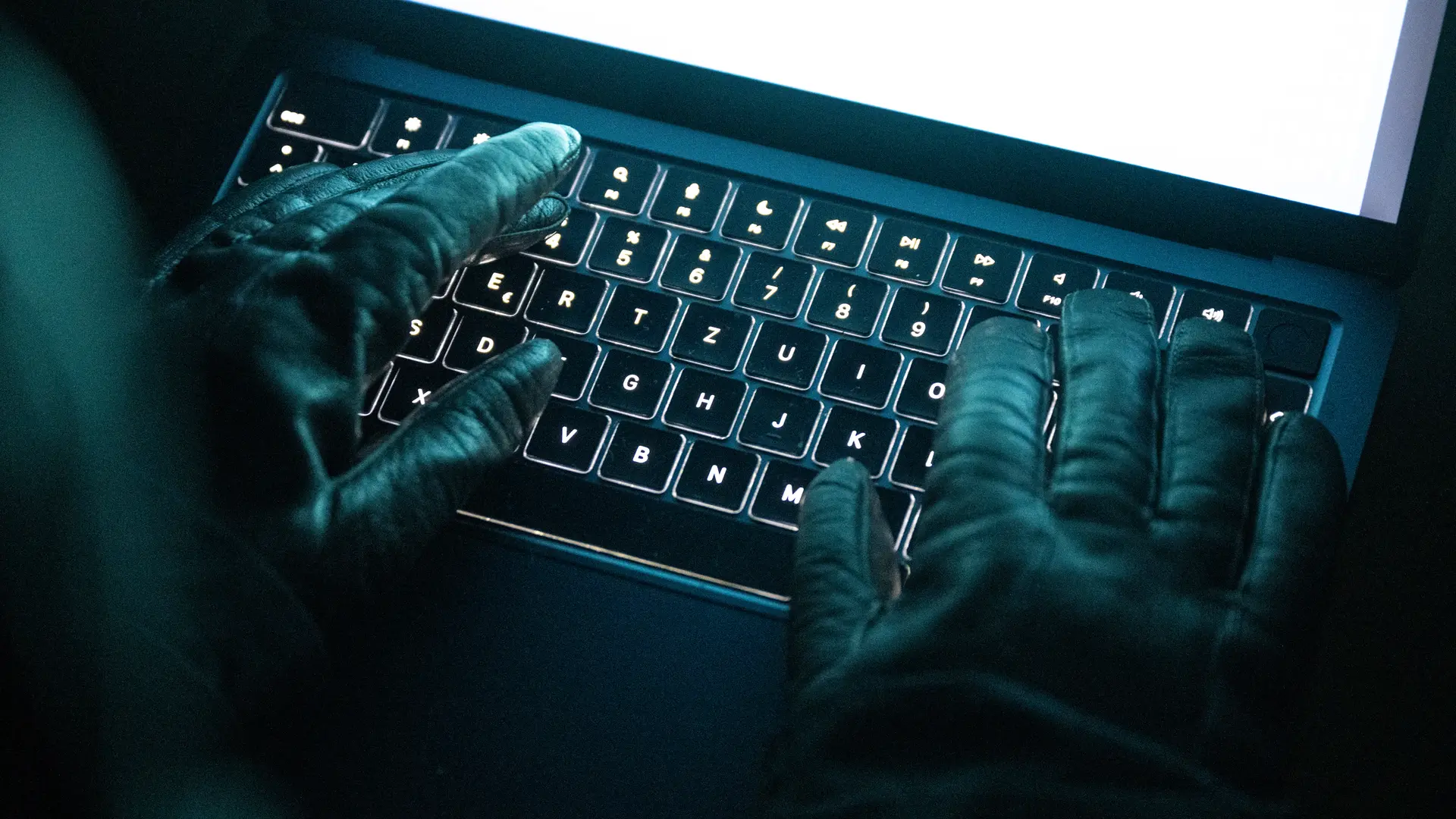
Crypto Scam in Gera: Man Swindled Out of 50,000 Euros via Remote Access Fraud
A 44-year-old man in Gera, Germany, lost approximately 50,000 euros after criminals gained remote access to his mobile phone for several months. According to police reports, the perpetrators used this access to secure unauthorized loans in the victim’s name before coercing him into transferring the funds to a cryptocurrency wallet under the guise of high-yield investment opportunities.
How Do Remote Access Scams Work?
Criminals typically initiate contact through unsolicited calls or messages, often posing as bank employees or technical support staff. Once they establish a rapport, they persuade the target to install remote maintenance software—such as AnyDesk or TeamViewer—on their smartphone or computer. According to the German police, this software grants the attackers complete control over the device. In the Gera case, the attackers maintained this access for months, allowing them to intercept banking credentials and execute financial transactions without the victim’s immediate intervention.
Remote access software is a legitimate professional tool used by IT departments to troubleshoot problems. Fraudsters exploit this trust, banking on the victim’s assumption that the person on the other end of the phone is a verified authority figure.
The Shift Toward Cryptocurrency Laundering
The use of cryptocurrency wallets as a destination for stolen funds marks a significant trend in modern financial crime. By directing victims to move money into a “crypto-wallet,” scammers create a layer of anonymity that makes the recovery of assets notoriously difficult. Unlike traditional bank transfers, which can sometimes be reversed if flagged quickly, cryptocurrency transactions are often irreversible once the private keys are in the hands of the thieves. Authorities note that these scams often follow a “recovery room” pattern, where victims are promised massive returns that never materialize, effectively draining their savings entirely.
Comparing Traditional Fraud vs. Digital Heists
| Feature | Traditional Phishing | Remote Access Fraud |
|---|---|---|
| Access Level | Limited (Password only) | Total (Full device control) |
| Duration | Short-term | Weeks or months |
How Can You Protect Your Digital Assets?
Security experts and law enforcement agencies maintain a consistent stance: never grant a stranger remote access to your personal devices. If an entity claiming to be your bank calls with an urgent request, hang up and call the institution back using a verified phone number from their official website. Additionally, enable multi-factor authentication (MFA) on all financial accounts. This provides a critical secondary barrier that remote access software alone cannot bypass.
If you suspect you have been compromised, immediately turn off your device’s internet connection, change your banking passwords from a separate, secure device, and contact your bank’s fraud department to freeze your accounts.
Frequently Asked Questions
What should I do if I already granted remote access?
Disconnect your device from the internet immediately. Contact your bank to secure your accounts and file a formal report with your local police station. You may also need to perform a factory reset on the compromised device.
Are crypto transactions always untraceable?
No. While they offer anonymity, law enforcement agencies are increasingly using blockchain analysis tools to track the flow of illicit funds, though recovering the money remains a complex legal challenge.
Can I get my money back after a crypto transfer?
Recovery is rarely guaranteed. Because crypto transactions are decentralized and often move across international borders, the chances of retrieving funds are significantly lower than with standard bank fraud.
Have you or someone you know encountered a suspicious “tech support” call? Share your experience in the comments below to help warn other readers, or subscribe to our newsletter for the latest security alerts.