
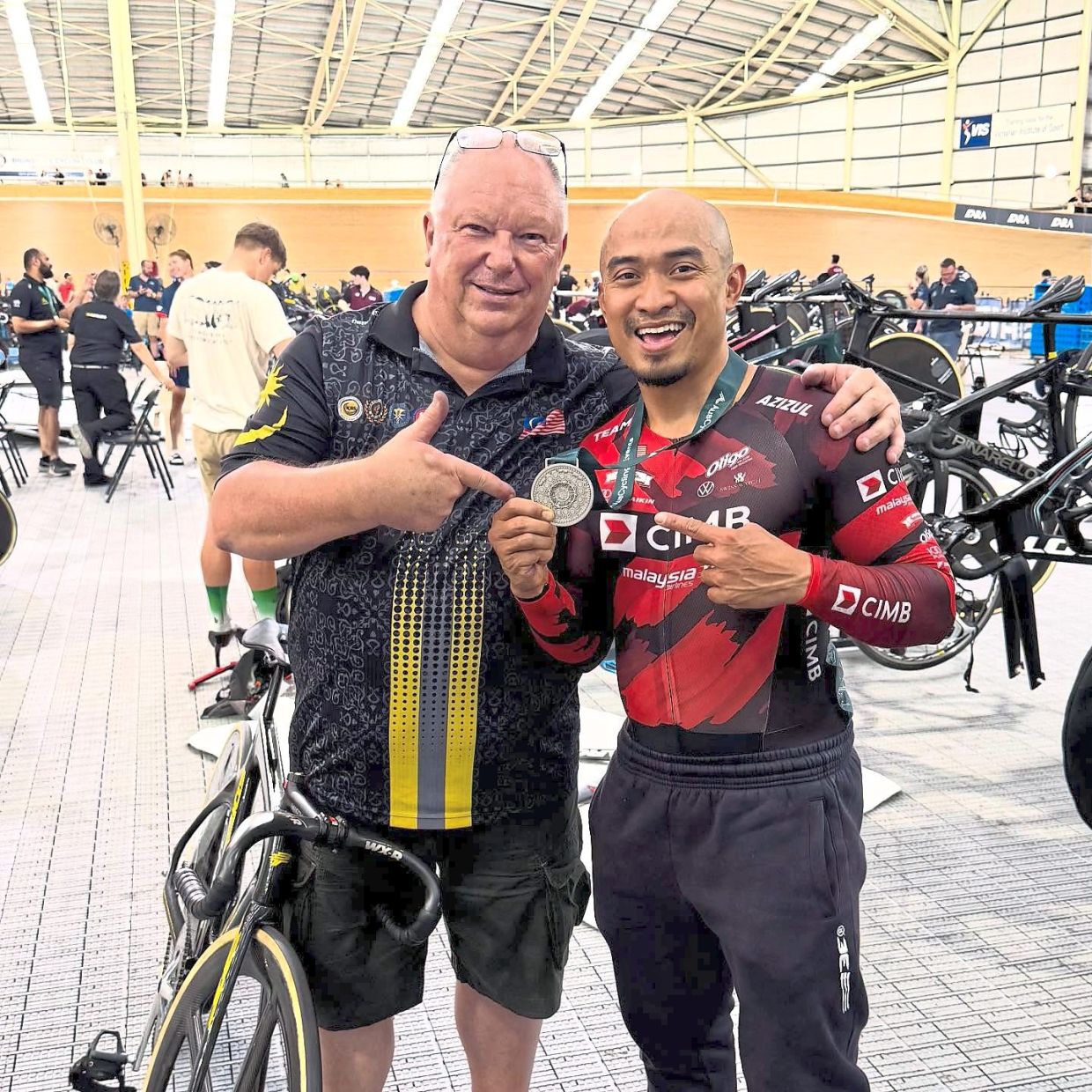
Cycling: A frustrated Beasley wants to step away from Malaysian cycling
John Beasley, the technical director for Malaysian cycling, intends to relinquish his position following the Aichi-Nagoya Asian Games in October. Beasley cited a lack of leadership and systemic political interference within the sport’s governance as the primary reasons for his departure, according to reports from Petaling Jaya.
Why does leadership stability matter in high-performance cycling?
Long-term technical oversight is often the difference between a mediocre program and a global powerhouse. Beasley spent 20 years guiding Malaysian track cycling, moving from head coach to technical director. This continuity allowed for the implementation of a long-term athletic development pipeline.
When leadership fluctuates due to political friction, the technical roadmap often collapses. Beasley noted that he feels “at the end of my tether” because the push for progress is frequently countered by individuals pursuing their own agendas, according to his statements.
What happens when regional goals clash with global championships?
A recurring trend in national sports is the conflict between domestic prestige and international excellence. Beasley recently criticized several Malaysian states for refusing to release riders for the Junior Track World Championships in Belgium, scheduled for Aug 19-23.
The states prioritized the Malaysia Games (Sukma) in Selangor, which run from Aug 31 to Sept 8. This creates a systemic divide: athletes are forced to choose between local medals and the experience of competing against the world’s best. According to Beasley, this lack of alignment indicates a broader failure in direction and leadership.
This tension reflects a wider global trend where “medal counting” at regional events often outweighs the long-term development required for Olympic or World Championship success.
How does political interference impact coaching retention?
Technical experts often struggle when administrative boards fail to shield them from political noise. Beasley stated that he no longer wants to work for people who are “disrespectful” or behave like “naughty little kids,” specifically noting that his bosses failed to step in and resolve internal conflicts.
Professional coaches increasingly seek environments where their authority is backed by the governing body. Beasley’s desire to move to a place where he feels “valued” highlights a growing demand for professionalized sports management over politically driven administration.
The risk of “brain drain” in national sports
When a 20-year veteran like Beasley considers coaching elsewhere, the loss isn’t just a name—it’s the institutional memory of the program. The transition from a coach-led system to one hampered by “agendas” can lead to a stagnation in results.

Beasley’s contract officially runs until Jan 31 of next year. However, his willingness to hand over the role to anyone who thinks they can “do it better” suggests a total breakdown in the relationship between the technical wing and the administrative wing of Malaysian cycling.
Frequently Asked Questions
When does John Beasley’s contract officially end?
His contract is set to expire on Jan 31 of next year.
Why is there a conflict regarding the Junior Track World Championships?
Various states refused to release riders for the Belgium event (Aug 19-23) so they could compete in the Sukma Games in Selangor (Aug 31-Sept 8).
What are the primary reasons for Beasley’s intended resignation?
Beasley cited a lack of leadership, political interference, and a lack of support from his superiors in dealing with disrespectful behavior within the organization.
Do you think regional games like Sukma should take priority over World Championships? Share your thoughts in the comments below or subscribe to our newsletter for more deep dives into sports governance.