
Cycling in Mecklenburg-Vorpommern: The Reality of Dangerous Bike Paths
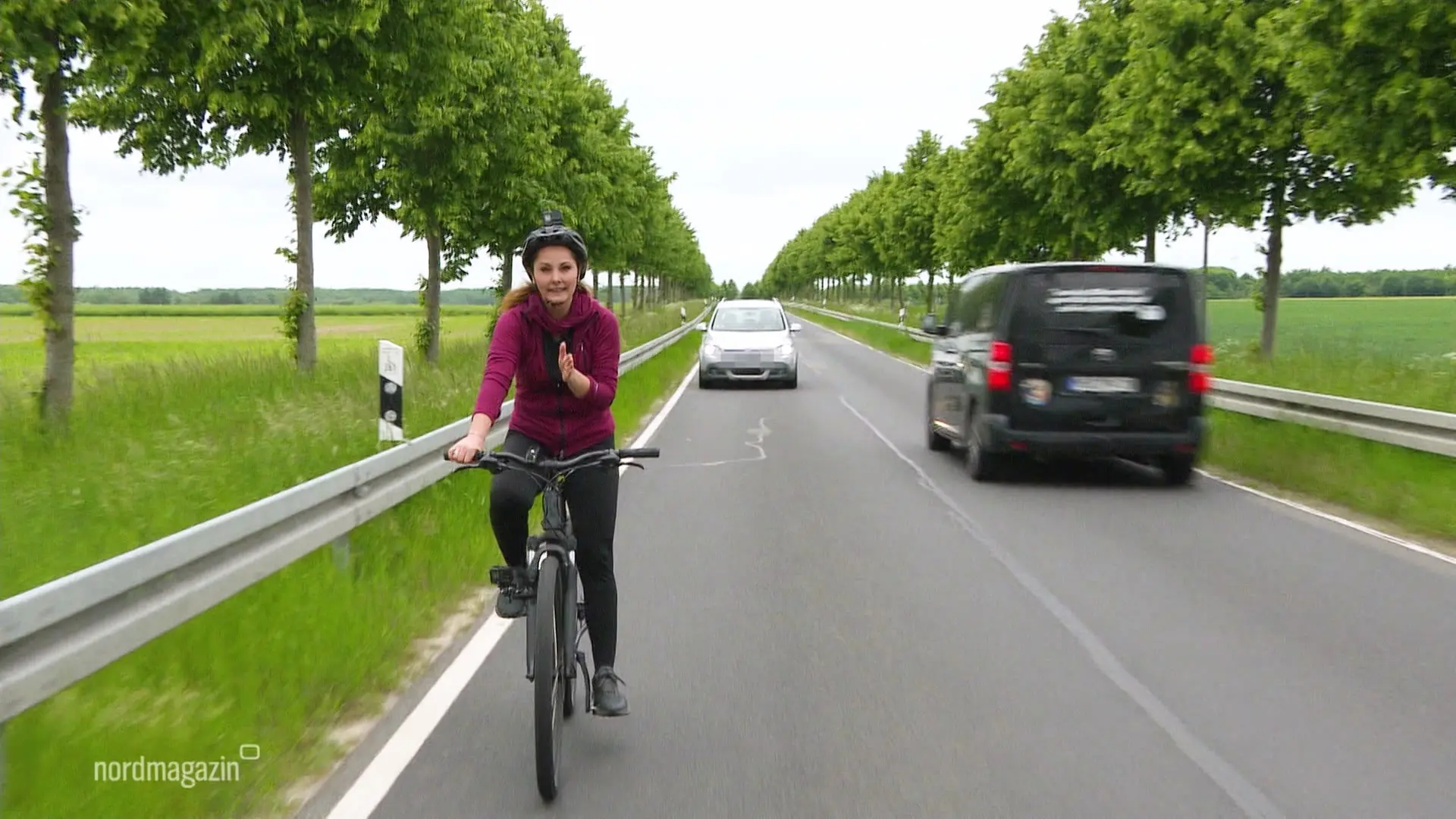
Cyclists in Mecklenburg-Vorpommern face significant infrastructure gaps that create safety risks, despite the region’s reputation as a premier destination for bike tourism. A 25-kilometer test ride along the L261 in Vorpommern revealed a fragmented network where gaps in lanes, narrow road sections, and heavy traffic force cyclists into dangerous proximity with motorized vehicles.
Infrastructure Gaps and Safety Concerns
The L261, while marked on some cycling maps as a designated route, often leaves riders exposed to high-speed traffic. During a test ride, heavy vehicles frequently created dangerous pressure waves, forcing cyclists toward protective barriers. According to reports from the route, the primary issue is not just the lack of dedicated space, but the inconsistent nature of the infrastructure. Cyclists are forced to navigate a “patchwork” of paths that end abruptly, creating frequent, high-stress transitions between protected lanes and active traffic.
Did You Know? The municipality of Trantow has been attempting to secure the construction of a dedicated bike path along the L261 since the year 2000, but the project has never been prioritized, despite the local government successfully coordinating land acquisition with private owners.
The Impact of Dedicated Cycling Infrastructure
The contrast in rider safety and independence is evident in sections where dedicated infrastructure exists. In the area around Dersekow, a wide, smooth, and separated bike path has significantly increased local ridership. Mayor Robert Lossau, who championed the development of this path toward Greifswald, notes that the infrastructure allows for greater self-sufficiency. Observations show that children and teenagers are able to travel independently and reach friends without relying on “parental taxis,” a shift in mobility that is absent on less developed stretches of road.
Challenges in Urban Cycling Environments
Even in areas marketed as “bicycle-friendly,” such as the city of Greifswald, cyclists encounter structural hazards. While the city lacks the highway-style barriers found on rural roads, it faces different challenges, including narrow bicycle streets that struggle to accommodate both cyclists and motorists. Johannes Apelt of the ADFC emphasizes that simply designating a street as a “bicycle street” does not guarantee safety, as poor planning can still lead to complex, high-risk traffic situations.
Future Outlook for Regional Cycling
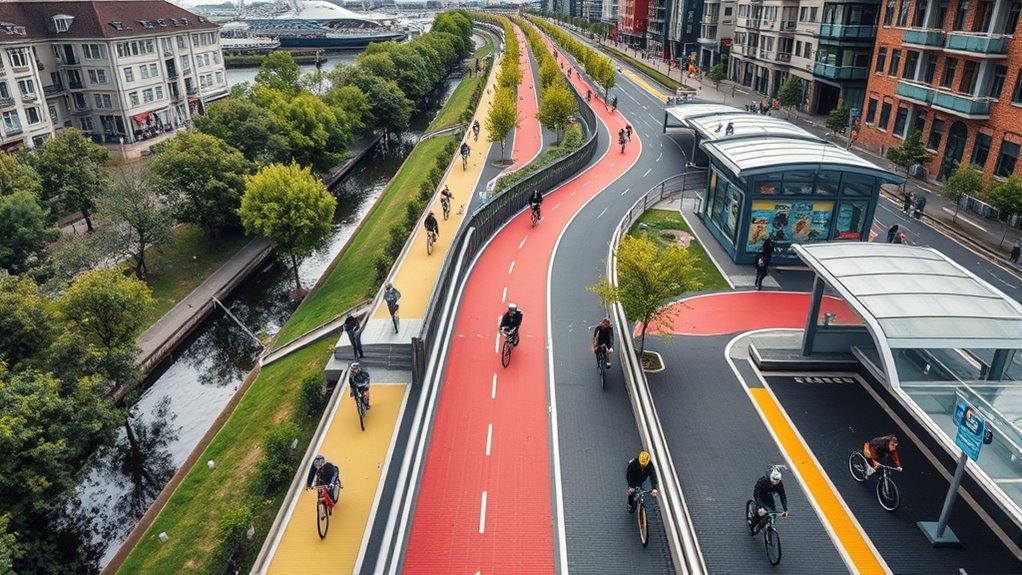
The future of cycling in the region may depend on shifting the focus from the total number of paths to the quality and connectivity of existing routes. As local officials and advocacy groups continue to highlight the dangers of current gaps, it is possible that future infrastructure investments will prioritize closing these high-risk “patchwork” sections. Further progress is likely to remain linked to the ability of local municipalities to navigate the complex challenges of land acquisition and regional prioritization.

Frequently Asked Questions
Why is the L261 considered dangerous for cyclists?
The road features a lack of dedicated, continuous bike lanes, forcing cyclists to share space with heavy trucks. This results in dangerous air pressure from passing vehicles and a lack of escape routes for riders.
What is the main hurdle for building new bike paths in the region?
According to Trantow’s mayor, the primary hurdle is often the process of securing land from private owners and gaining sufficient political priority, even when land agreements are already in place.
Does a “bicycle street” designation guarantee safety?
No. According to Johannes Apelt of the ADFC, simply labeling a street for bicycles does not ensure safety if the layout is too narrow or fails to effectively manage the interaction between cyclists and motor vehicles.
How would improved cycling infrastructure change the way you travel in your own community?